Depth of Field
Beyond the surface of each image lies a deeper truth waiting to be uncovered.
In this space, I explore the complexities of life - its beauty, the challenges, and the quiet strength that shapes our world. Through careful observation and thoughtful narrative, these stories seek to reveal moments that might otherwise go unseen, offering a glimpse into the human spirit in its many forms.
THE IRISH COAST
One of the most remarkable coasts in the world for bird photography.
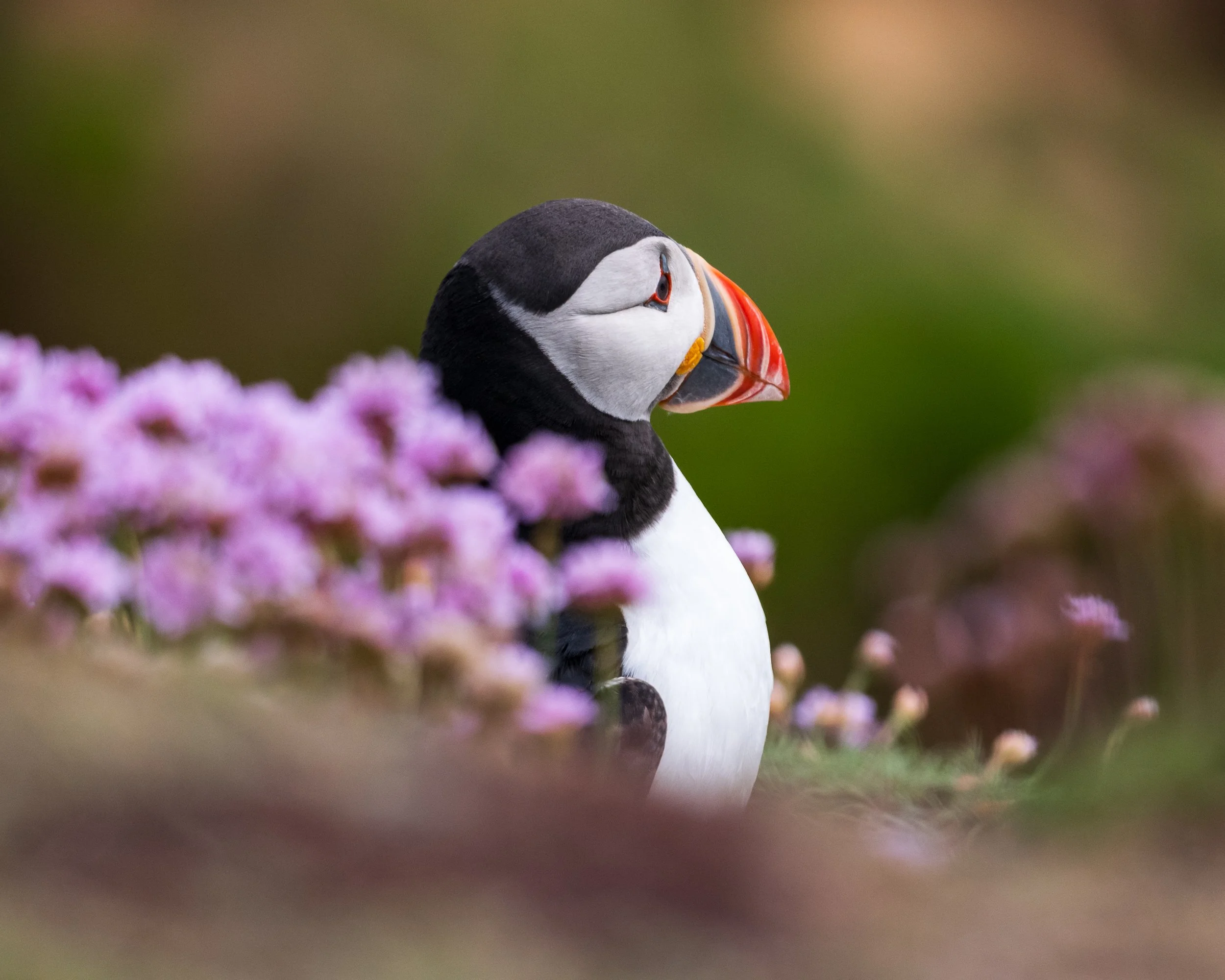
On the Great Saltee Island I saw two kittiwakes nested on a steep cliff amongst beds of pink sea thrift, enjoying a laugh together.
Ireland and Scotland are my favorite places to visit. There is a comfort to both places that goes beyond the scenery. It is in the people, the way conversations start easily, the humor that comes without effort, the feeling that you are welcome even if you are just passing through. It is also in the culture, where music, stories, and traditions are part of everyday life rather than something put on display.
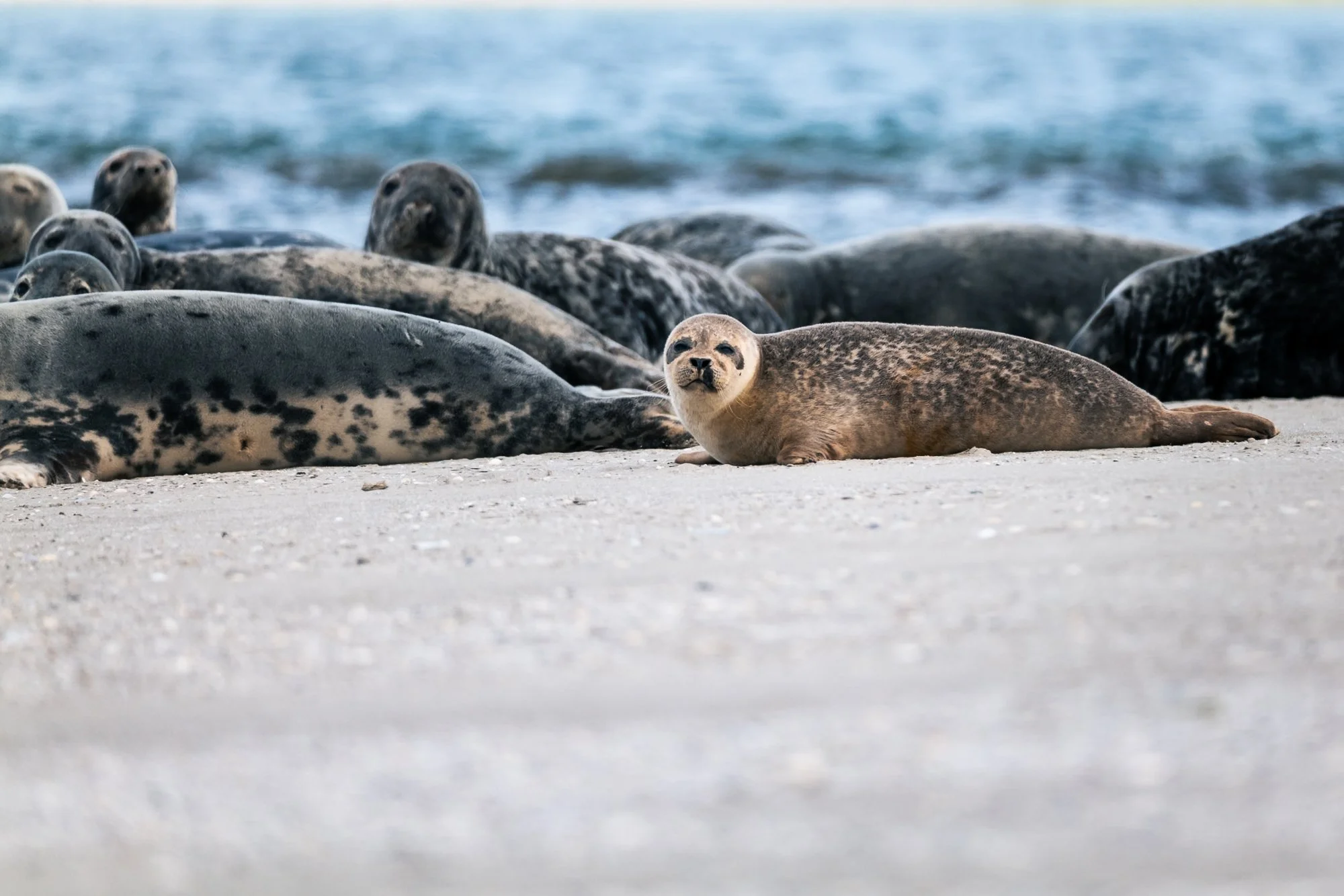
My time along Ireland’s coast began at North Bull Island, just outside of Dublin. It is a place where the tide seems to reshape the land every few hours, opening stretches of sand and then covering them again. The light there was never still. One moment the sea was silver and calm, the next it turned a dull gray as clouds swept in. The birds went about their routines regardless, seagulls and guillemots carrying on as though nothing I was doing mattered. Shooting there for me was another lesson in patience. I adjusted my camera again and again, chasing light that vanished as quickly as it appeared. The day mostly felt like a photographic failure, but in the quiet between shots I realized the stillness itself was part of the reward. I was about to leave with no good photographs, until I spotted a heard of seals. and was beyond elated, but I couldn’t get too close to them as they were getting very agitated at my presence. I laid on the sand and discretely inched closer and closer, until I was caught and asked to leave the island by the park rangers.
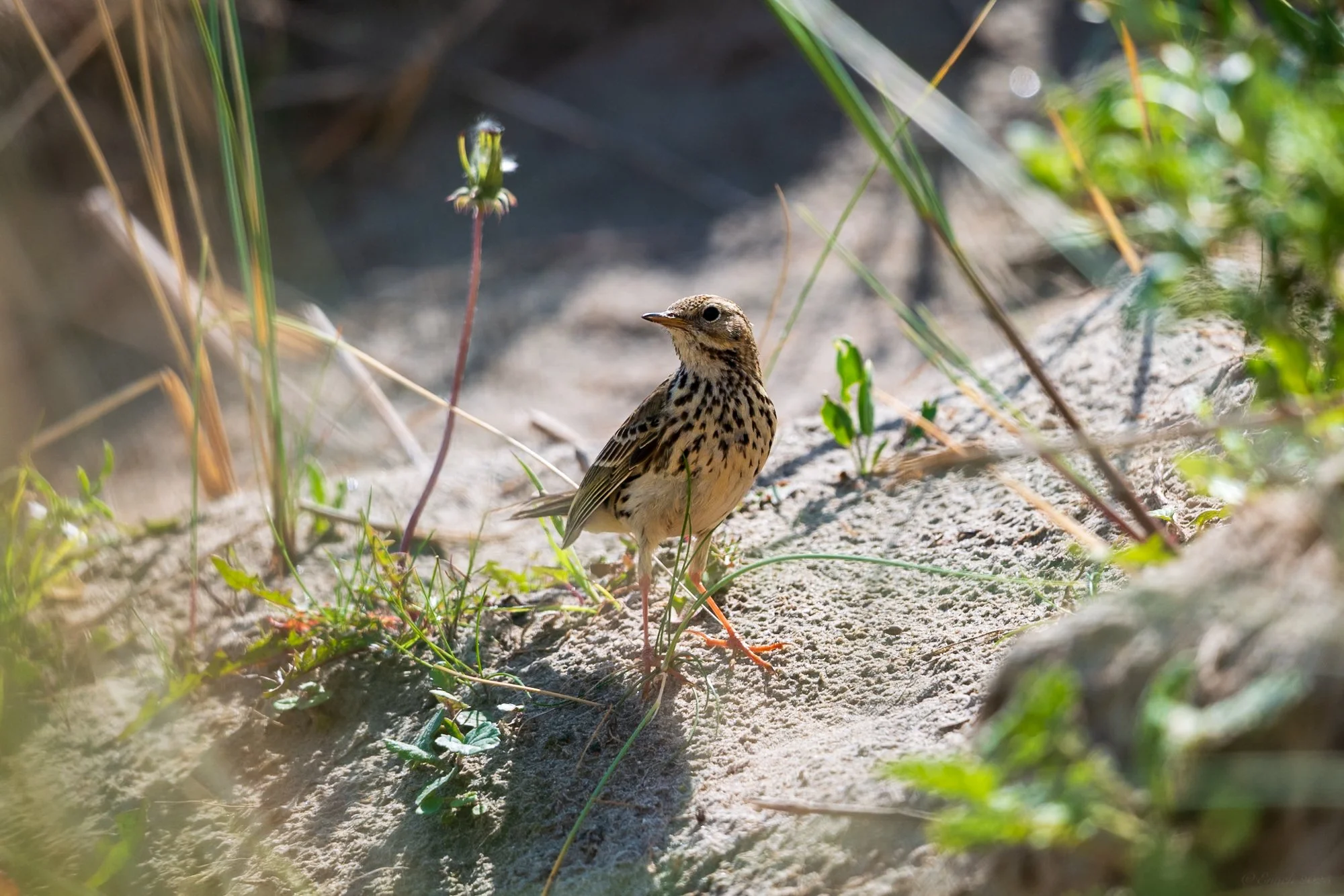


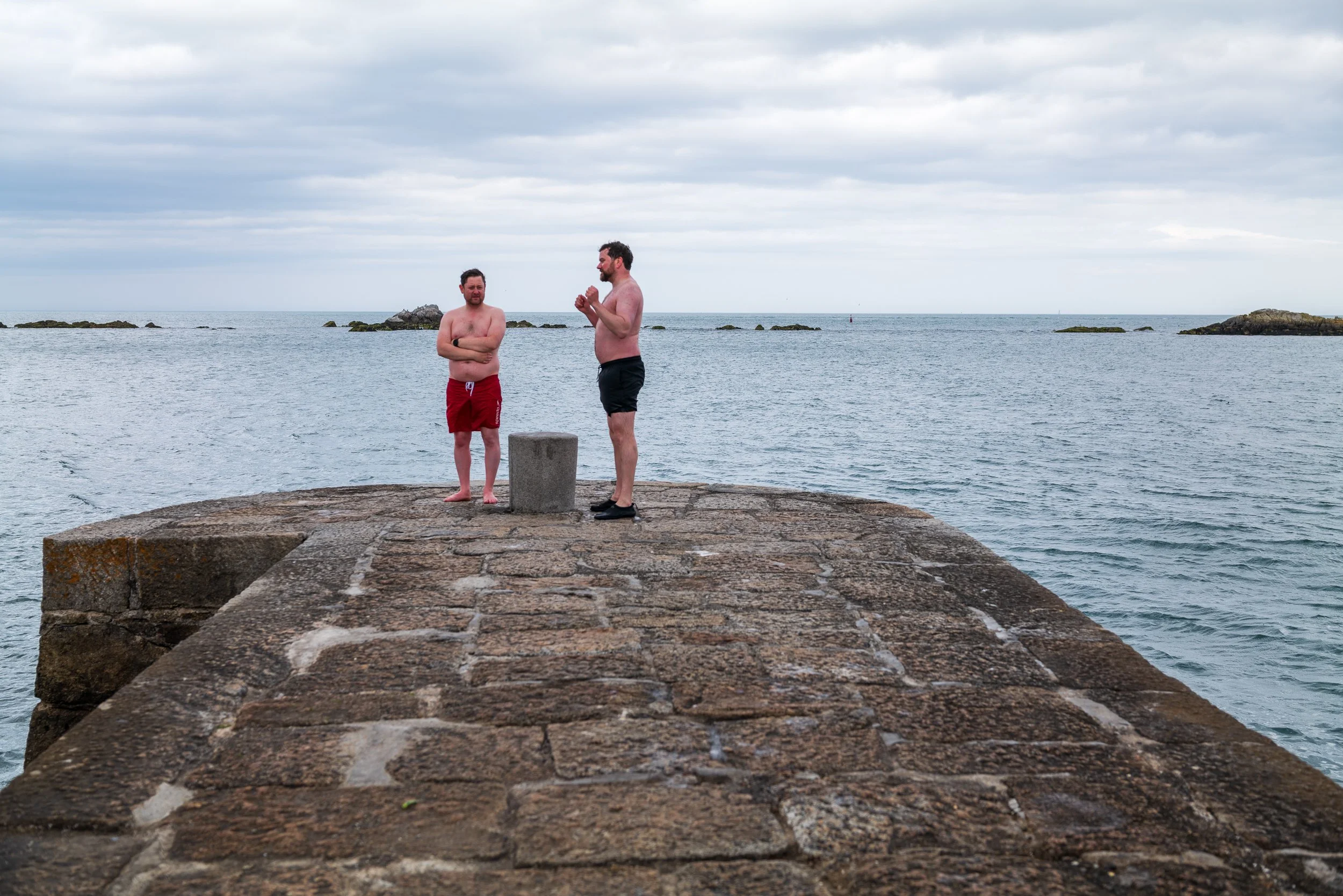
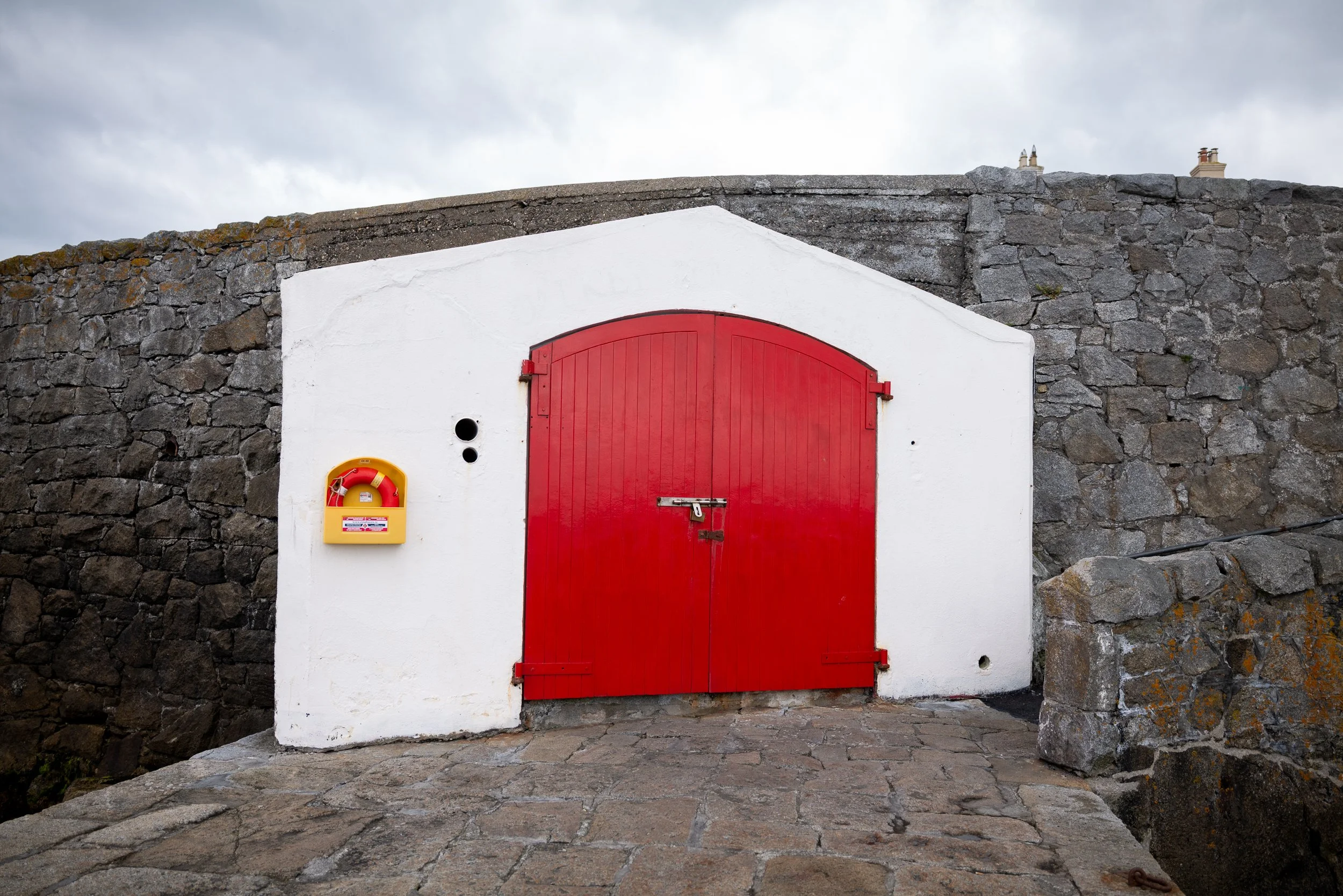
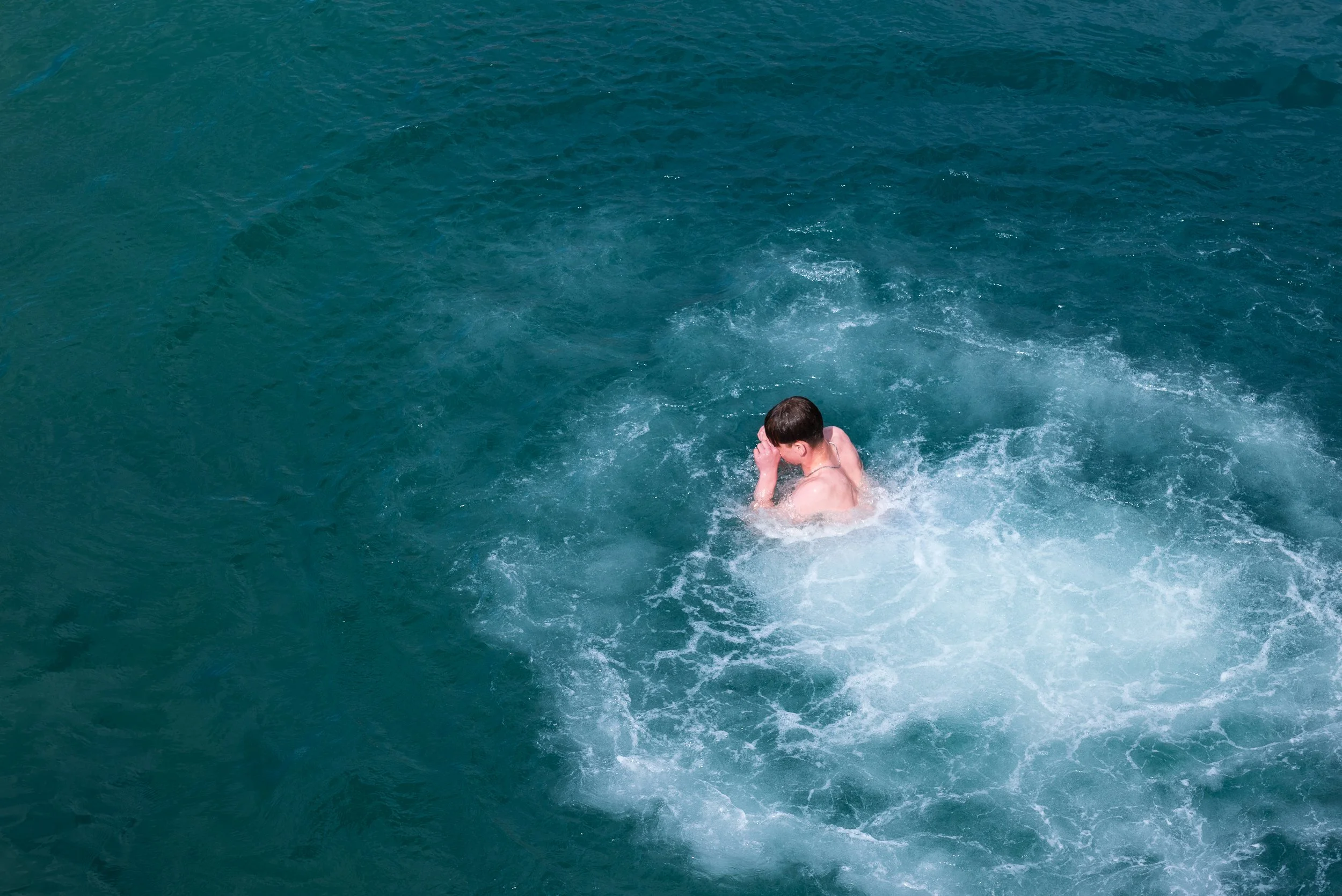

From there I went north to Howth, a fishing village with cliffs that rose steeply over the sea. The walk along the headlands was filled with wildflowers clinging to the rock, gulls wheeling overhead, and the smell of salt in the air. Puffins appeared in small numbers here, but other seabirds were a plenty, scattered among the cliffs. I took a very short boat ride to a nearby island, home to dozens of bird colonies of Purple Sandpiper, Black Guillemot, Sandwich Tern, Northern Gannet, Common Guillemot and more. After waiting for about 10 minutes for a storm to pass, the island became peaceful. After some great shots, and run-ins with several territorial bird parents, I went back to the village, which actually had several cute cafes and restaurants.
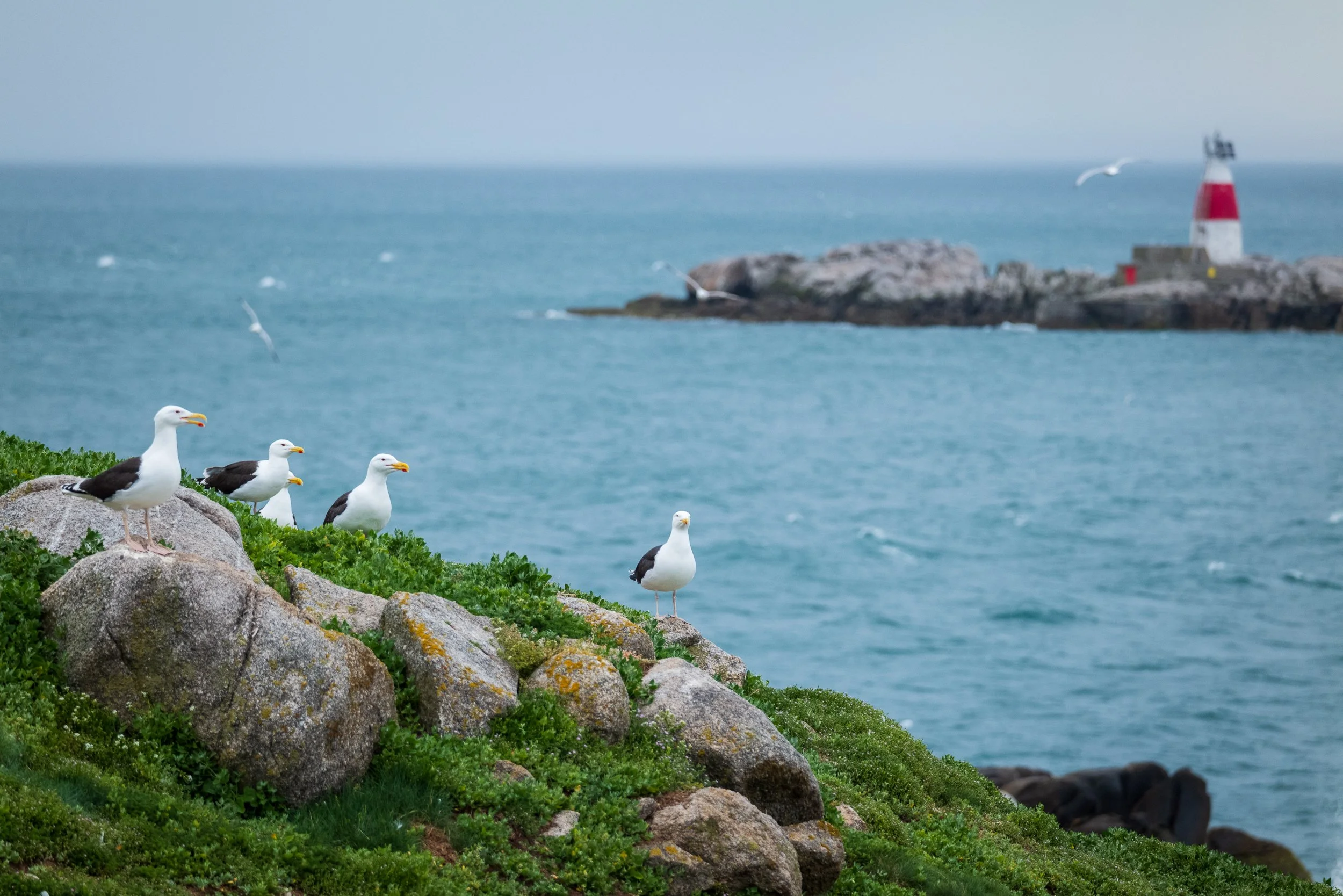
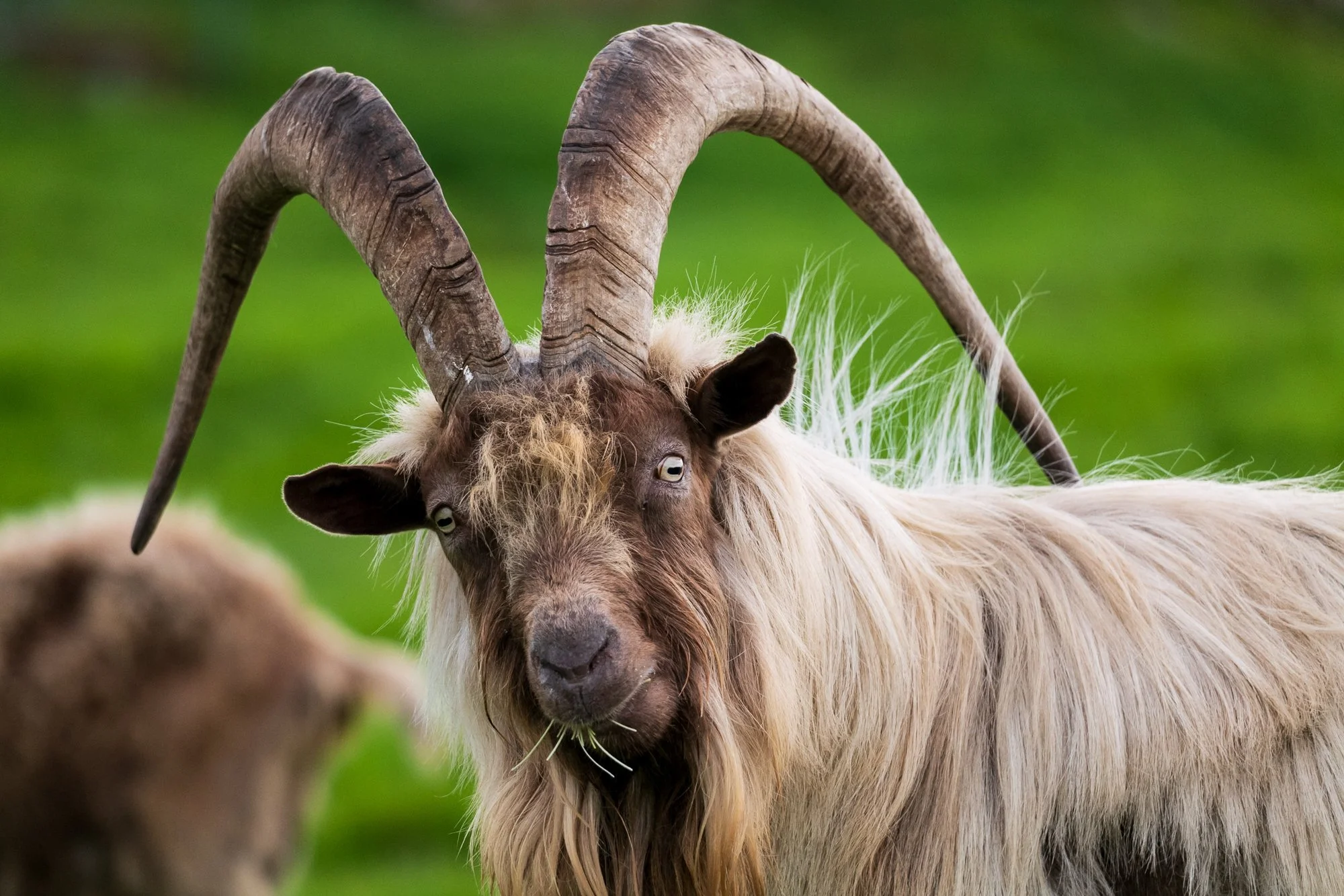
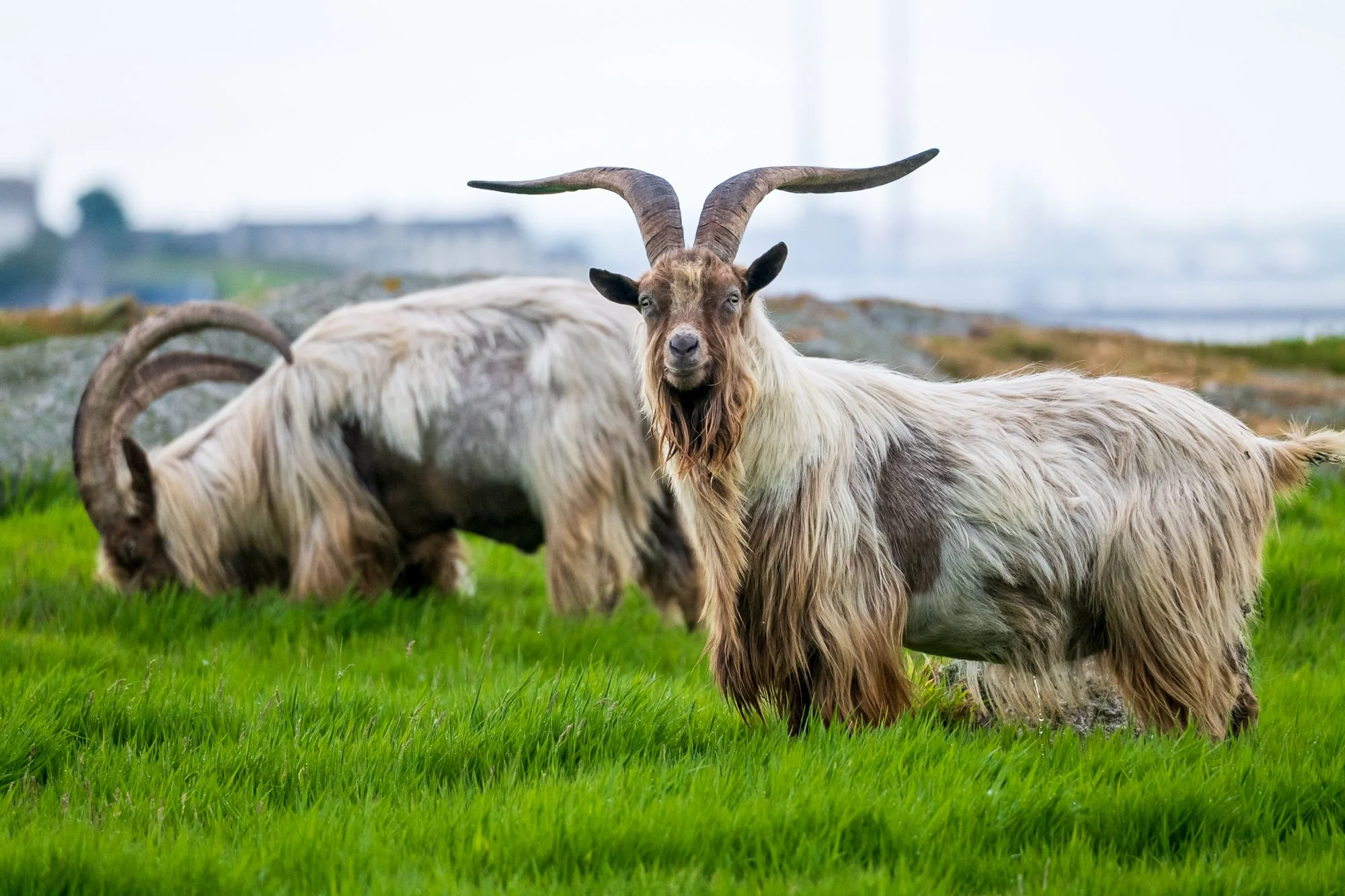
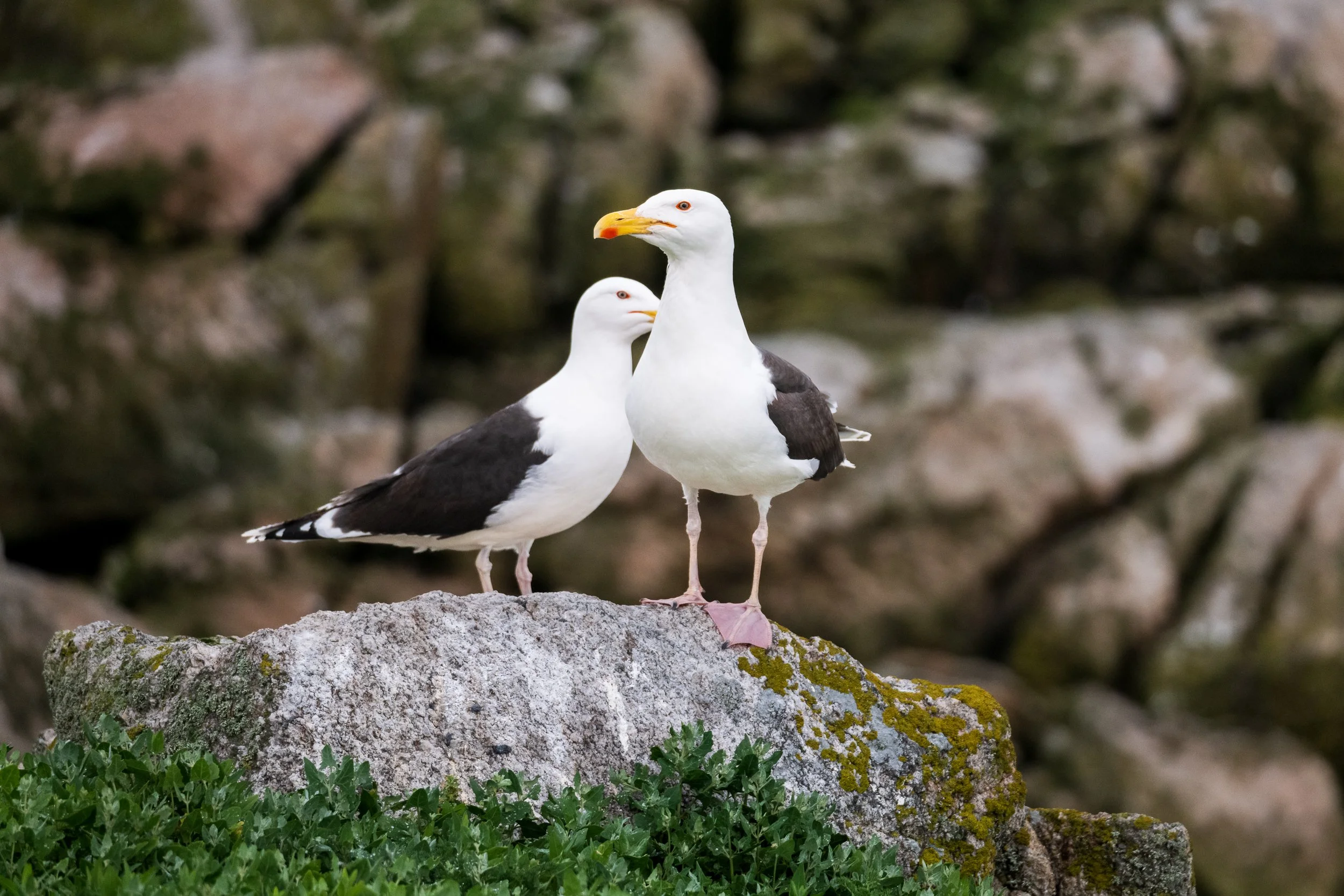
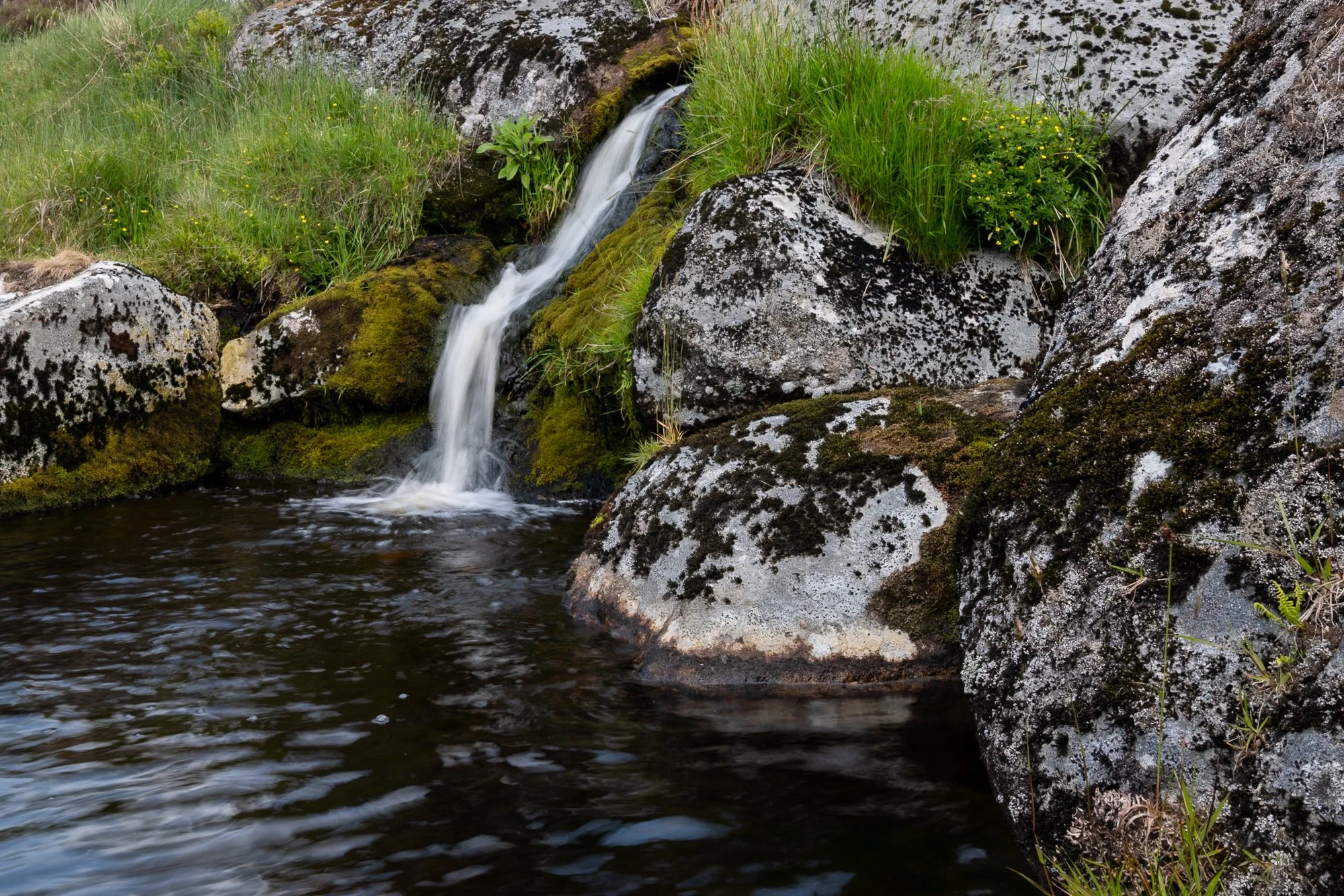
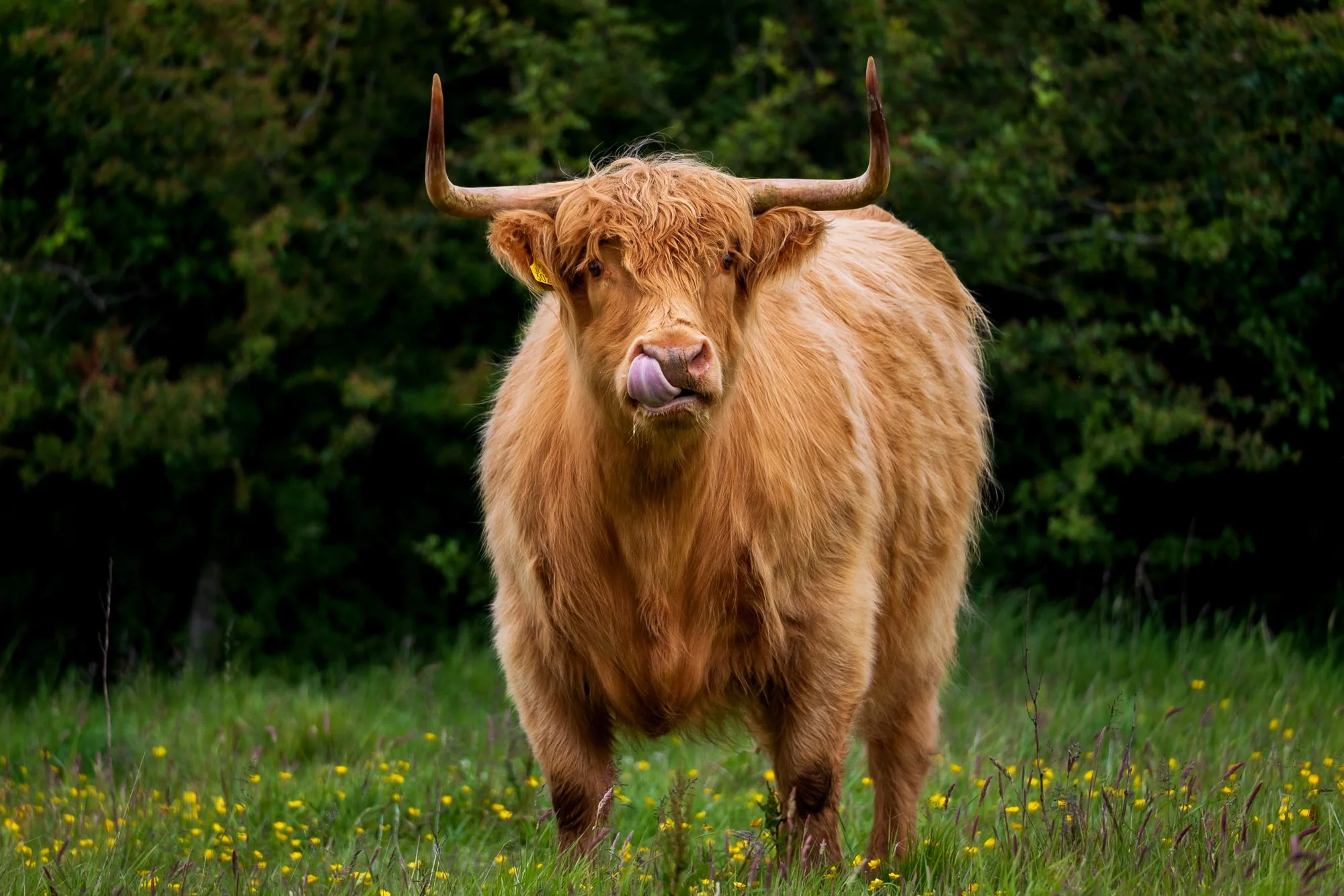
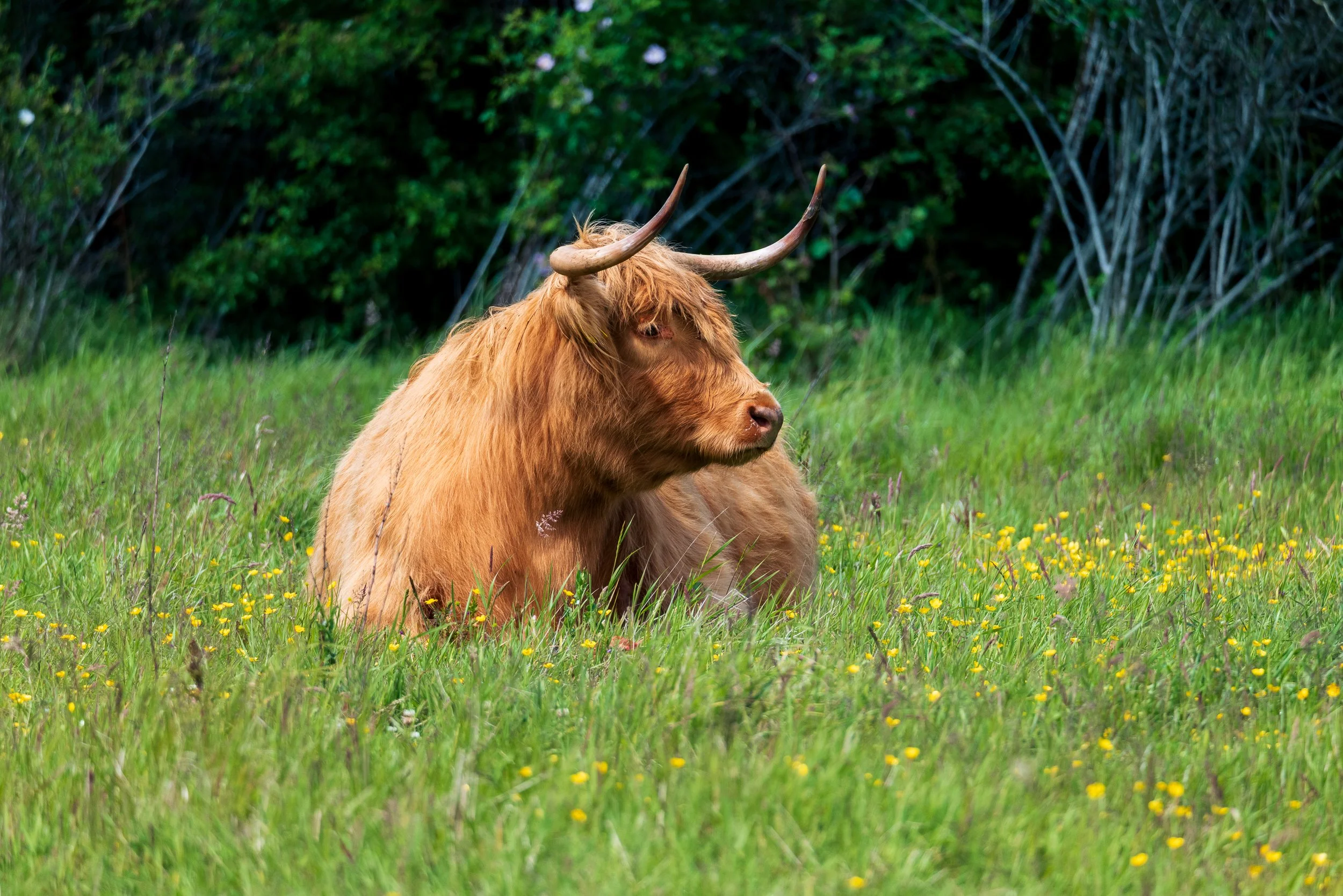
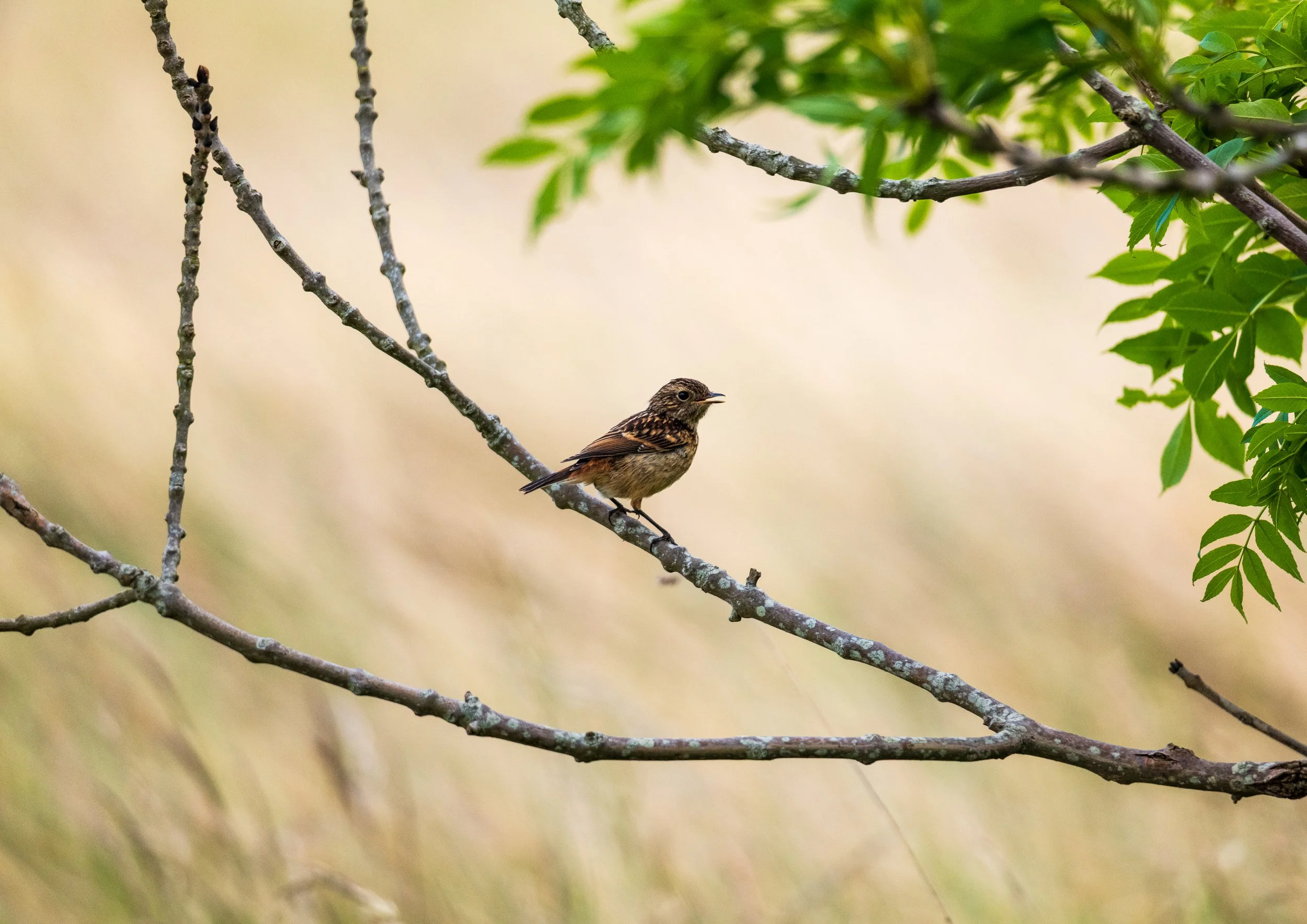
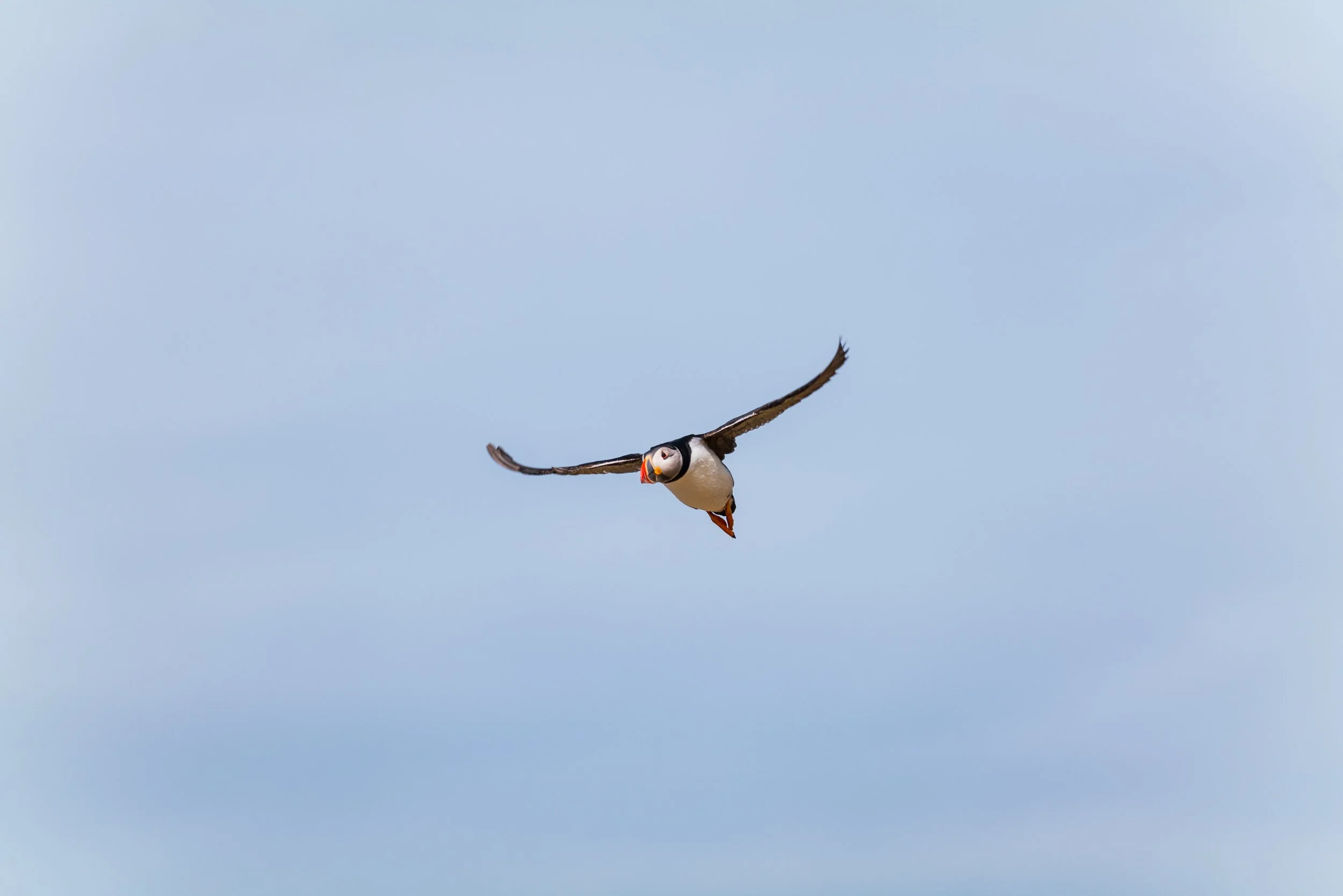
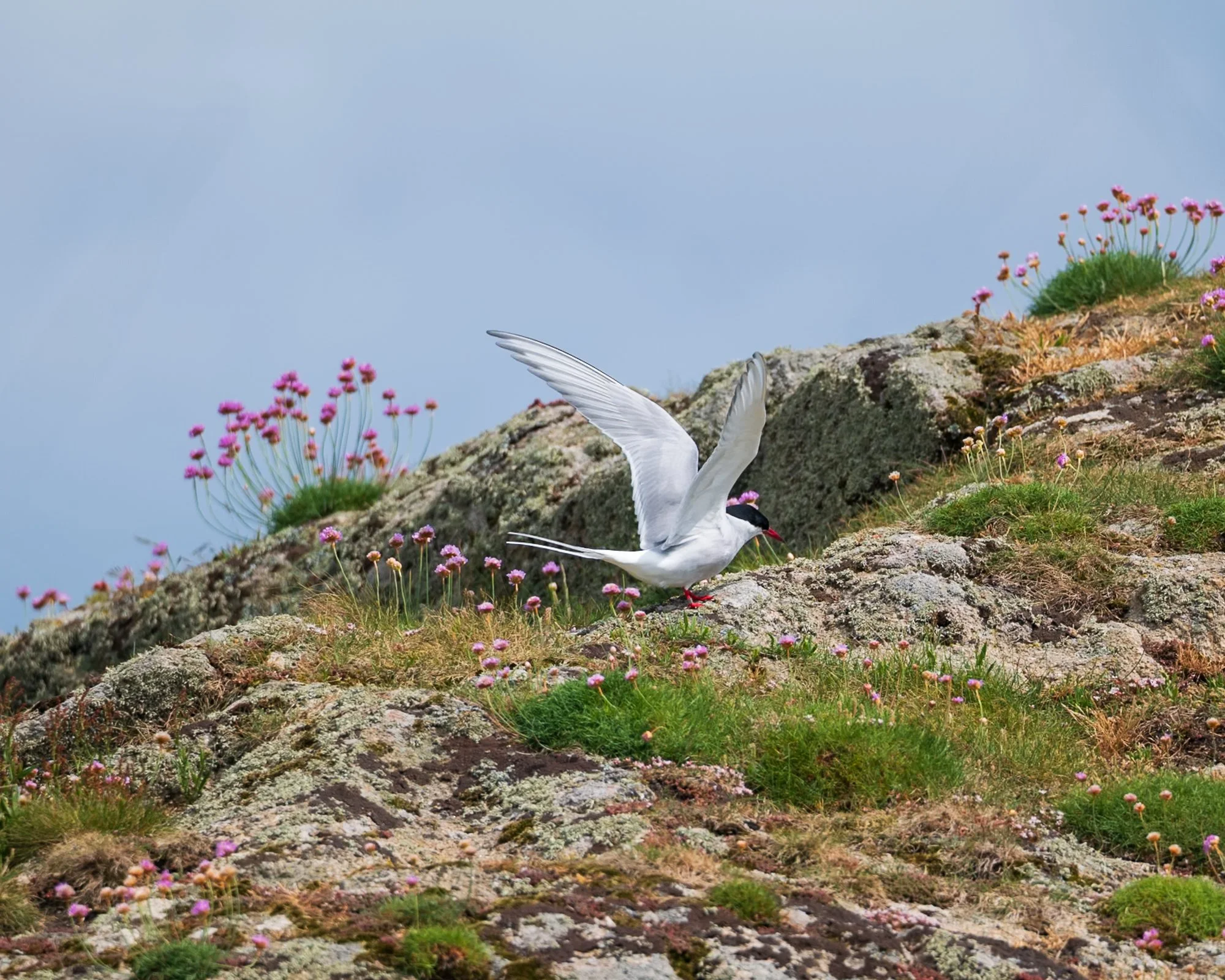
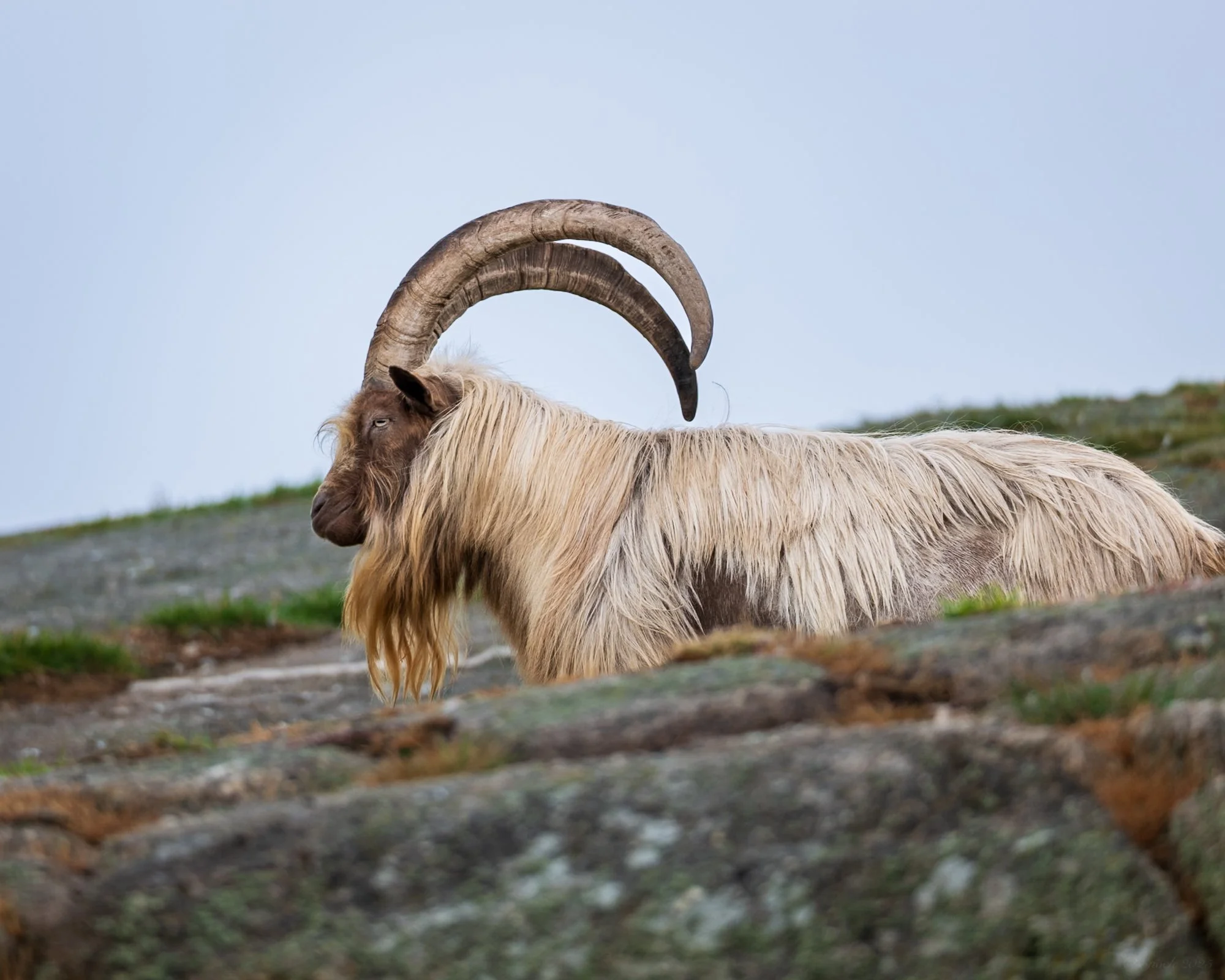
A couple days later, my journey to the Great Saltee Islands was the epitome of my trip, and took some time to get to. A couple long bus rides through the countryside, starting early in the morning and arriving in Kilmore Quay by the evening. The next day taking a small boat across the water to this great Mecca of birds.
When you step onto the Great Saltee the noise hits you first. Colonies of guillemots crowd the ledges, their calls echoing across the cliffs. Razor bills hold their ground with sharp contrasts of black and white. Puffins pop in and out of burrows, often carrying fish, sometimes just standing among the flowers as if they own the place. Many puffins will walk right up to humans to check them out, but it’s forbidden to touch them or stand too long in there path. The thing is, puffins burrow nests underneath the ground you’re standing on, and the may not be walking up to you but you might be standing on top of their front door. Needless to say, it’s a much to stay on the trodden permissible path to avoid harming or confusing the birds. It is chaotic and alive, and it makes you feel small in the best way. After going heaving on the camera trigger, I often had to sit and soak it all in for a while. Regardless of the photos I was able to take, it’s was a once in a lifetime moment happening. That was the most important thing to remember.
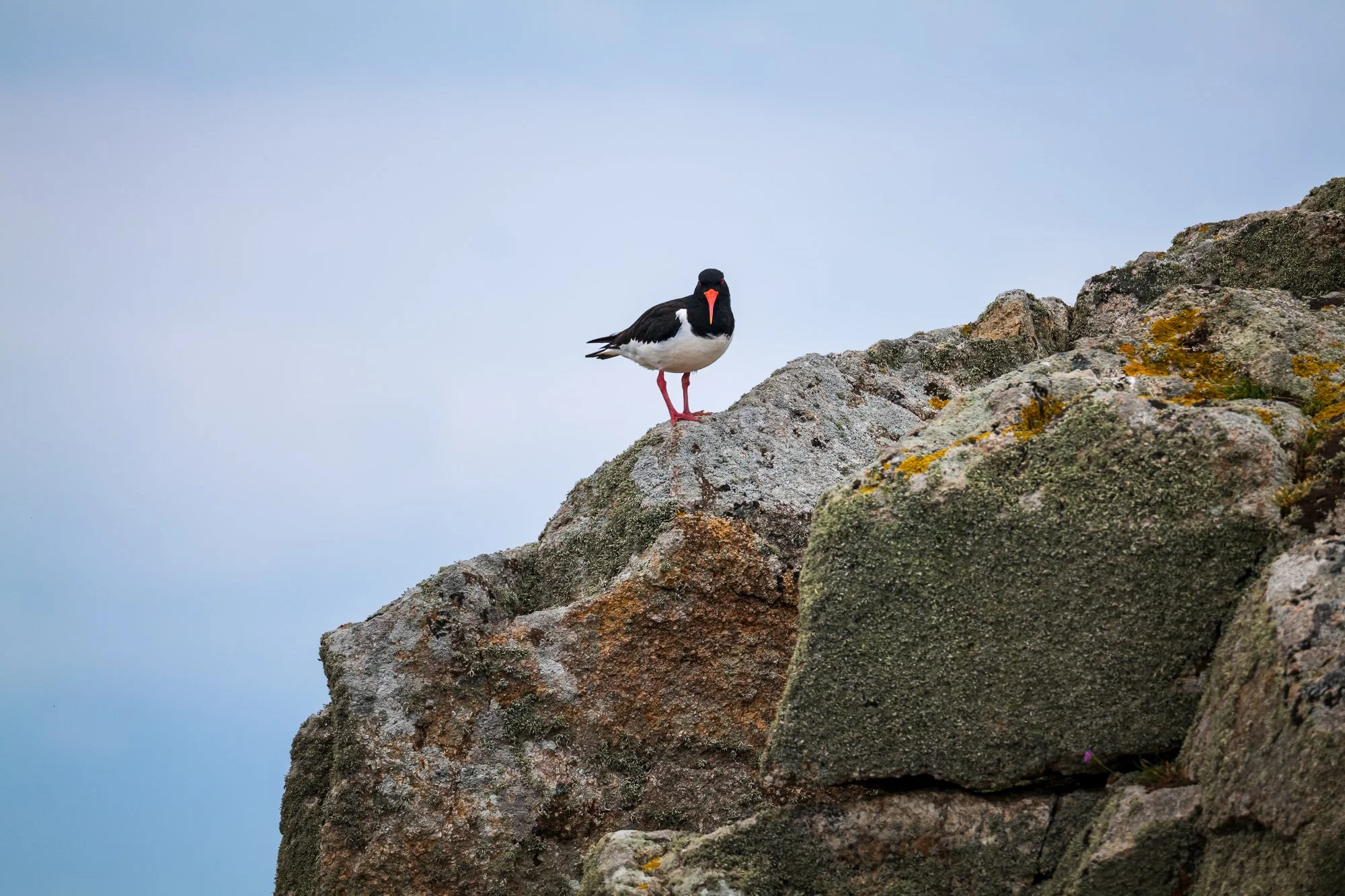
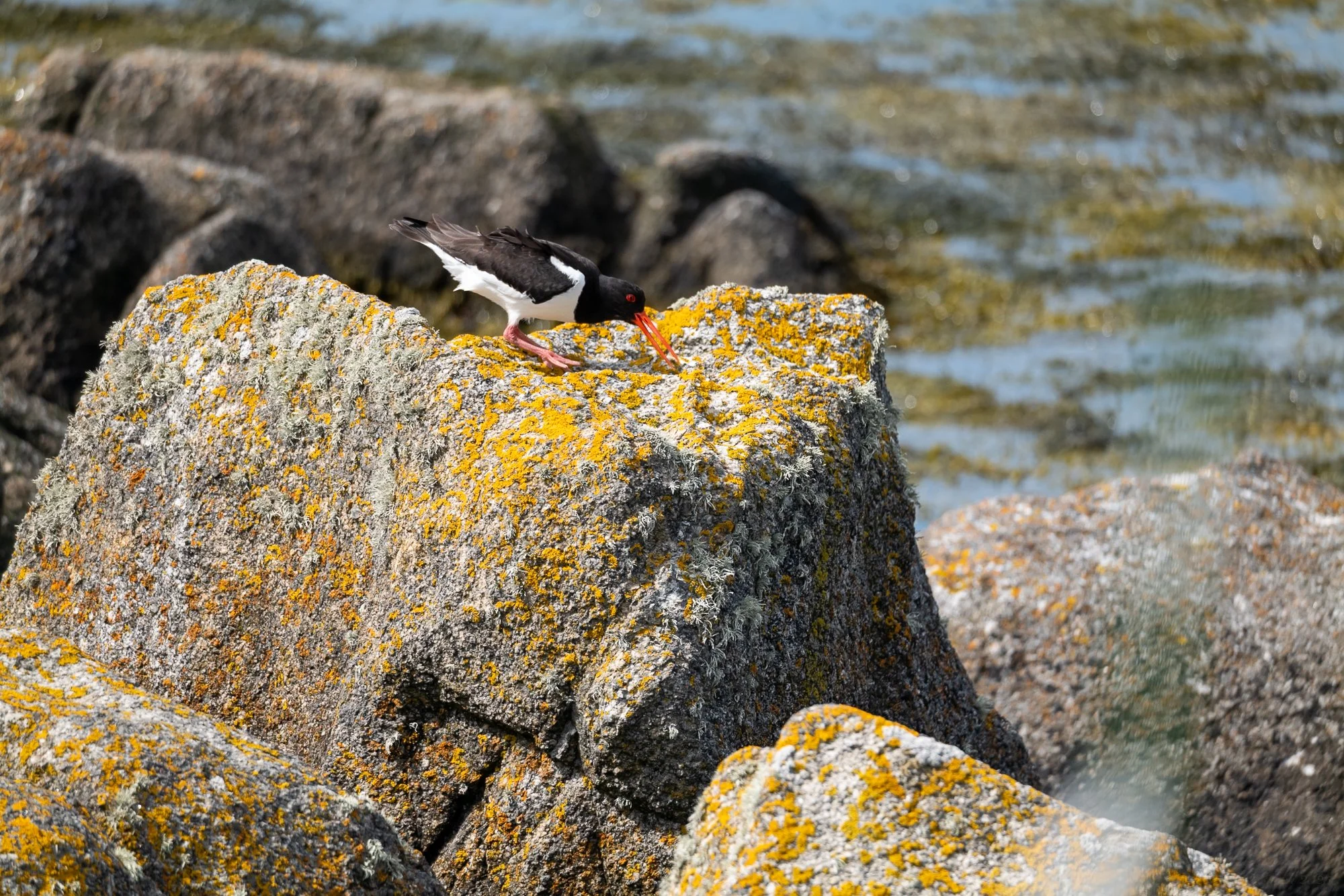
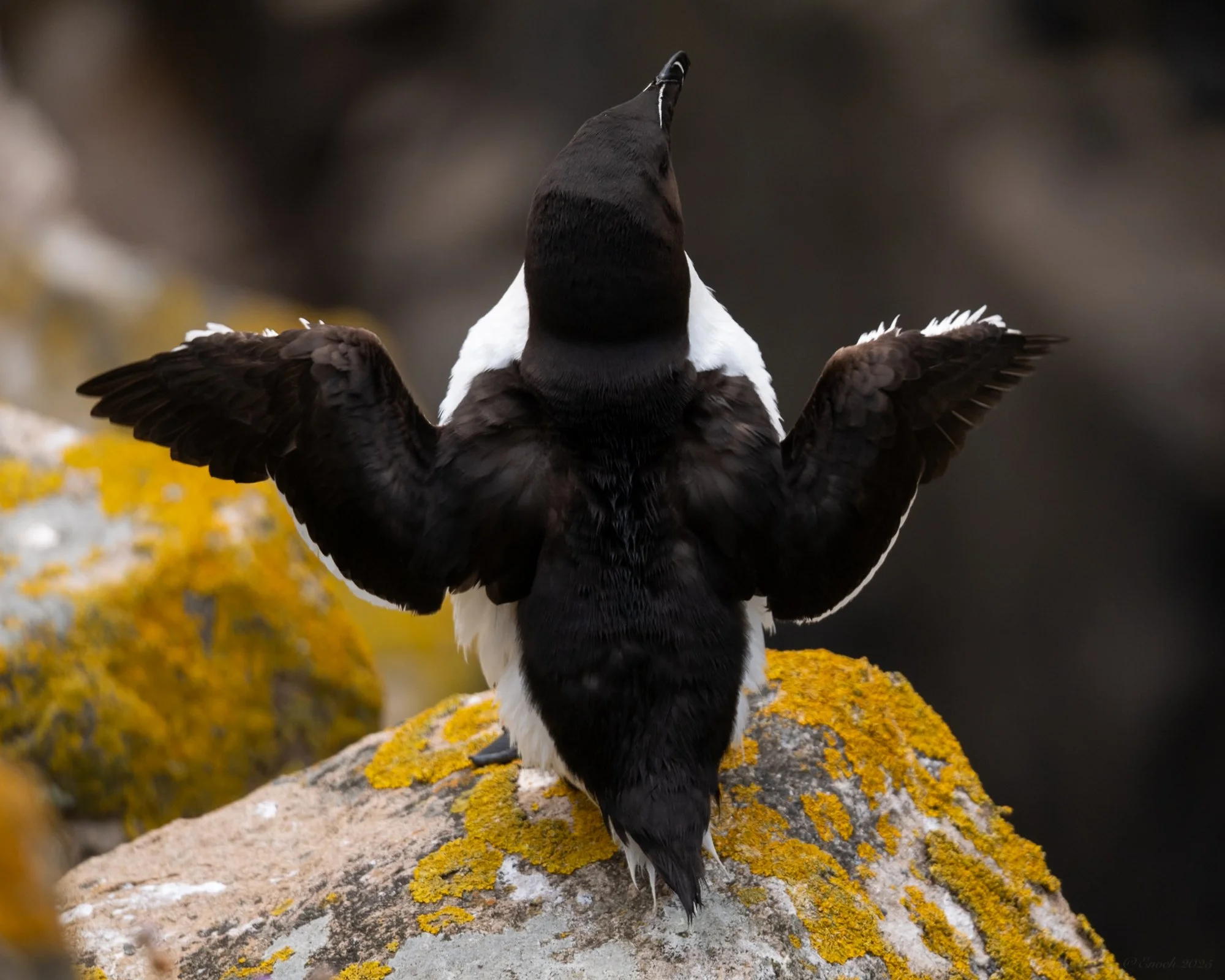
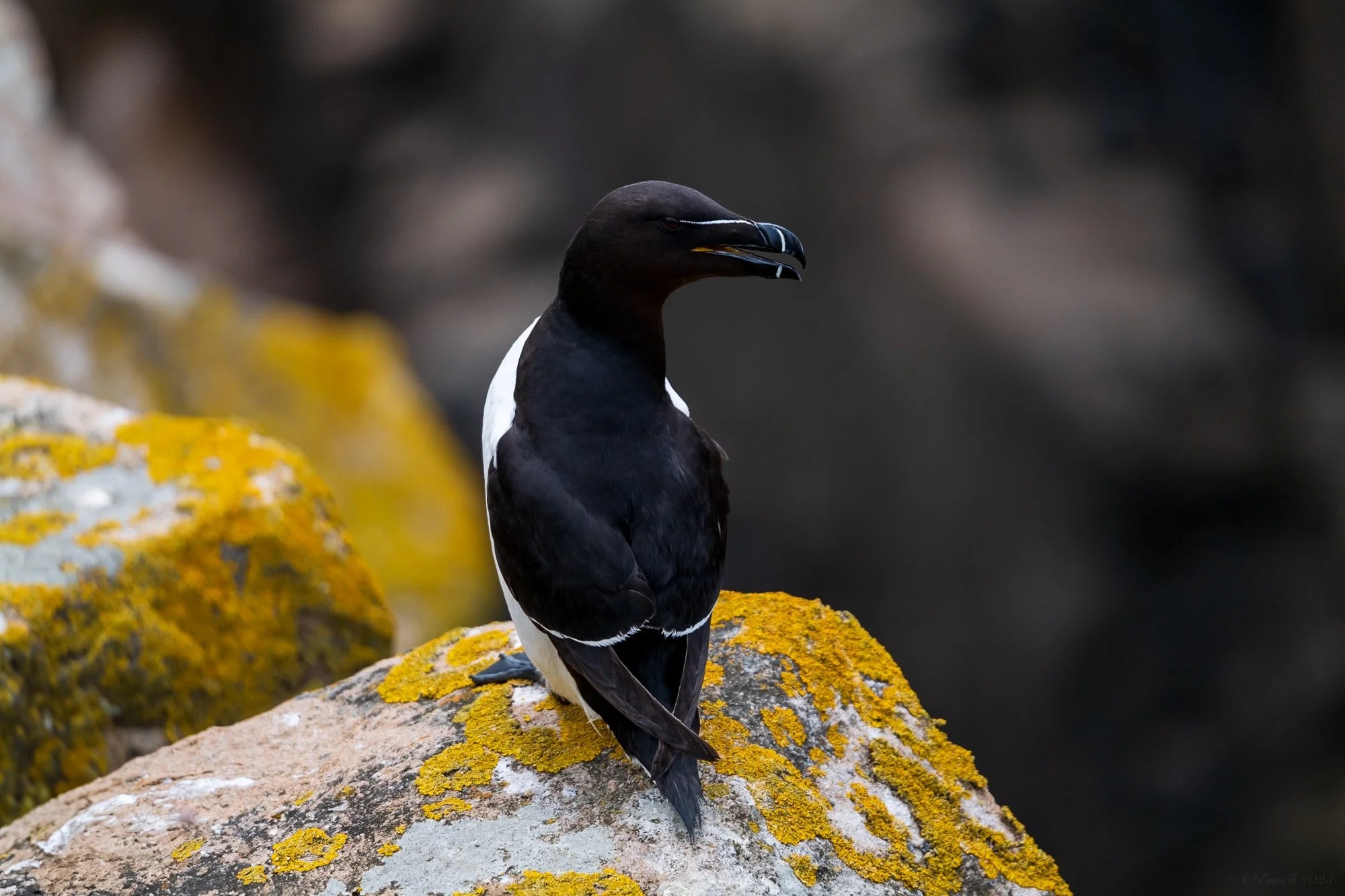
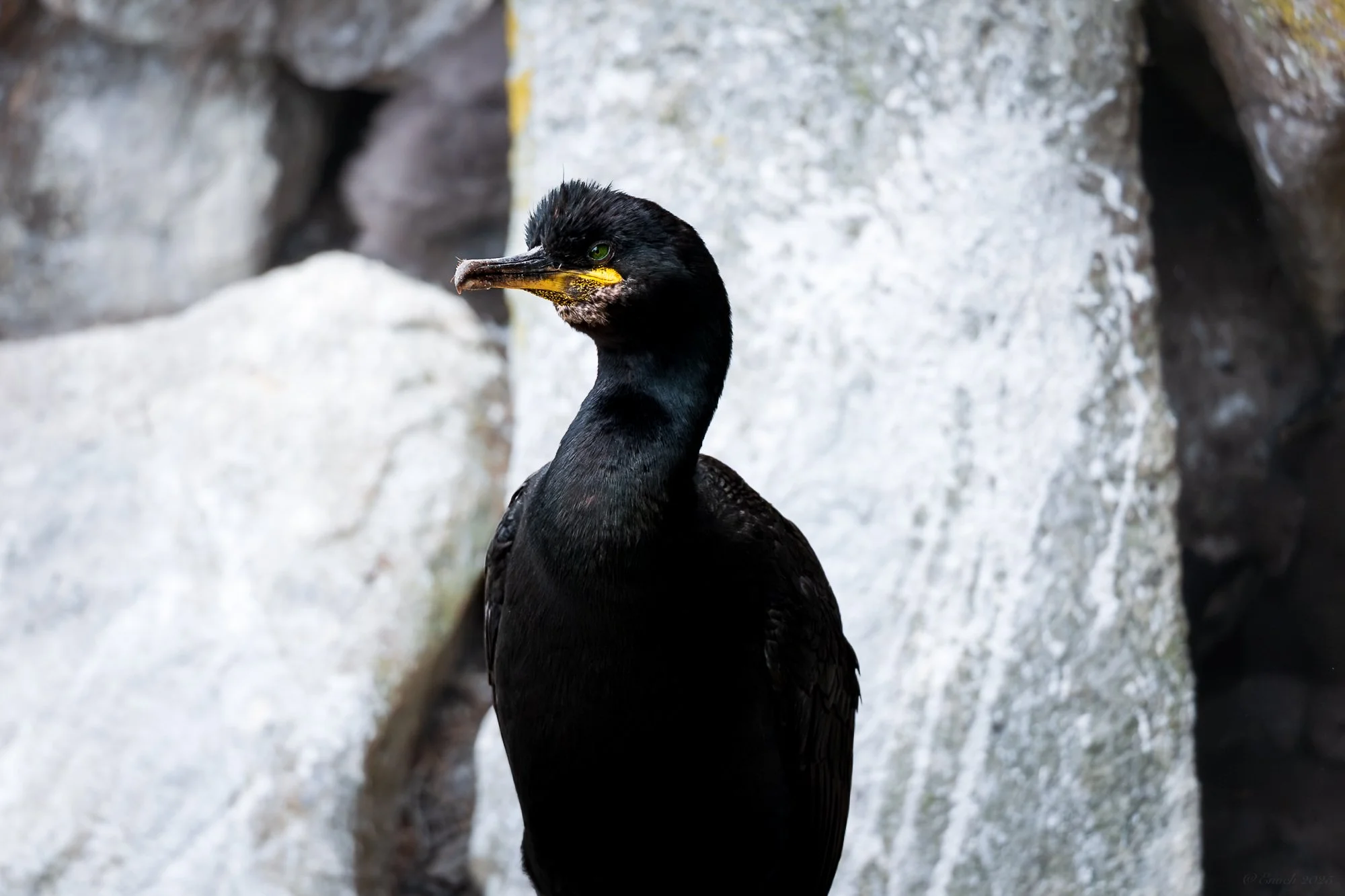
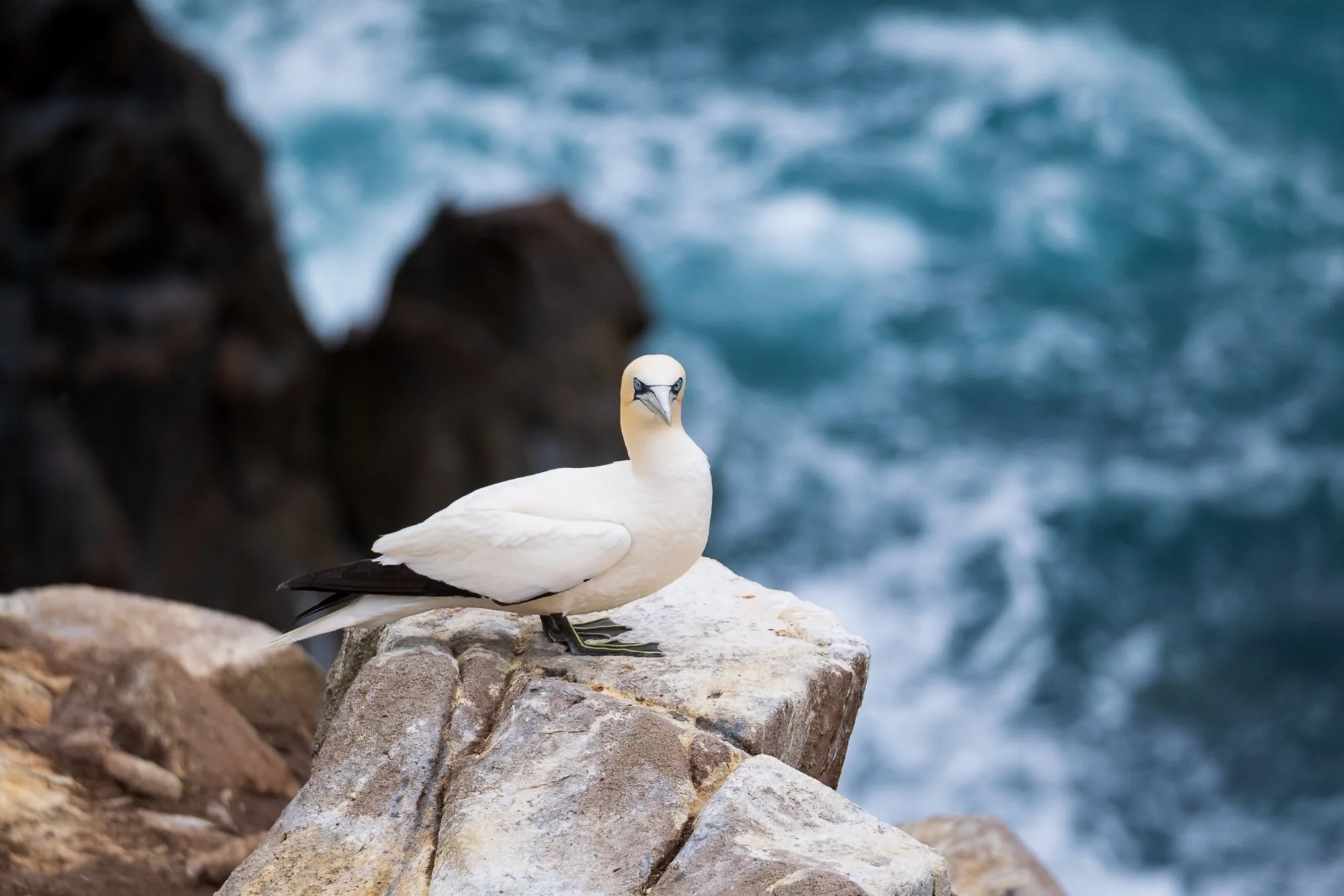
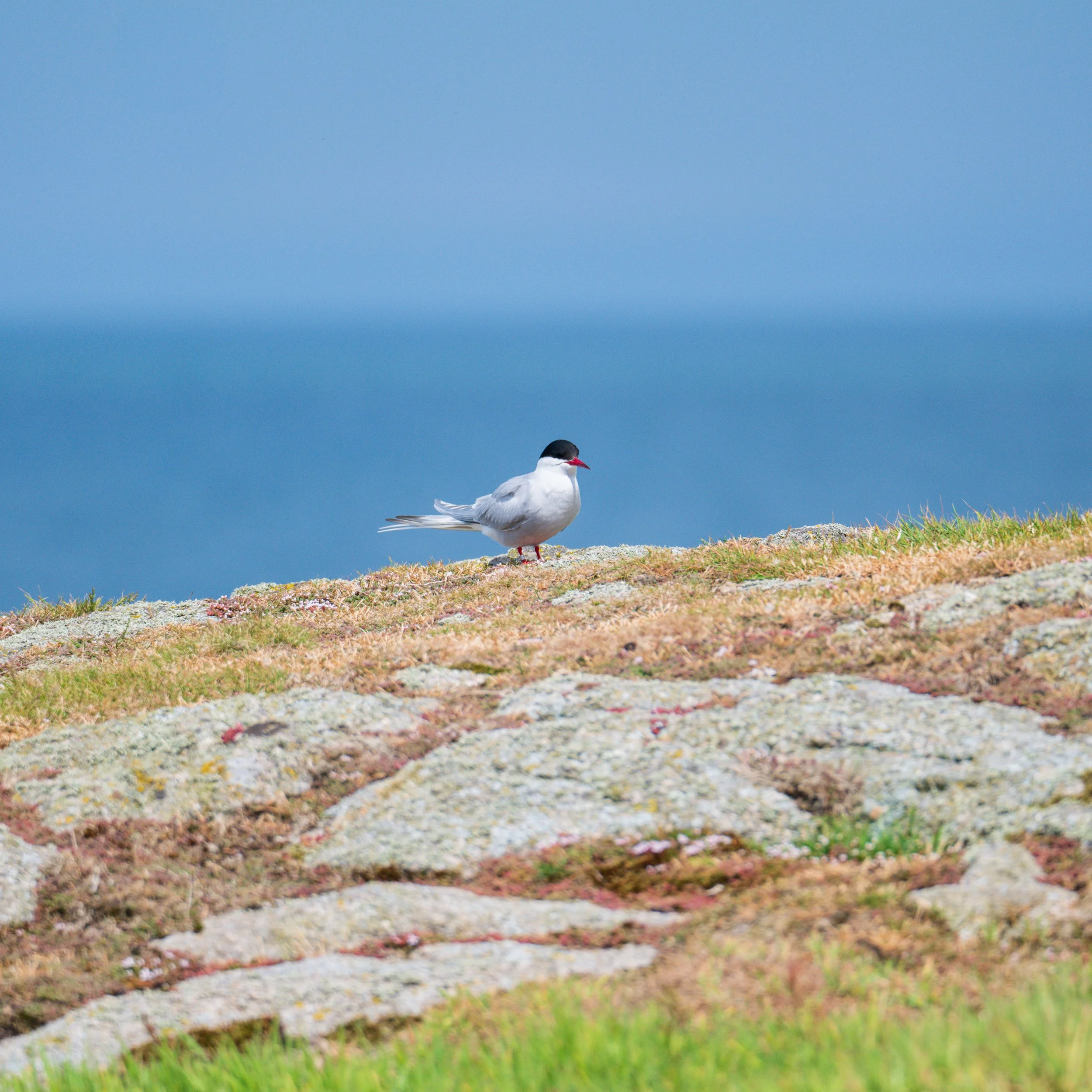
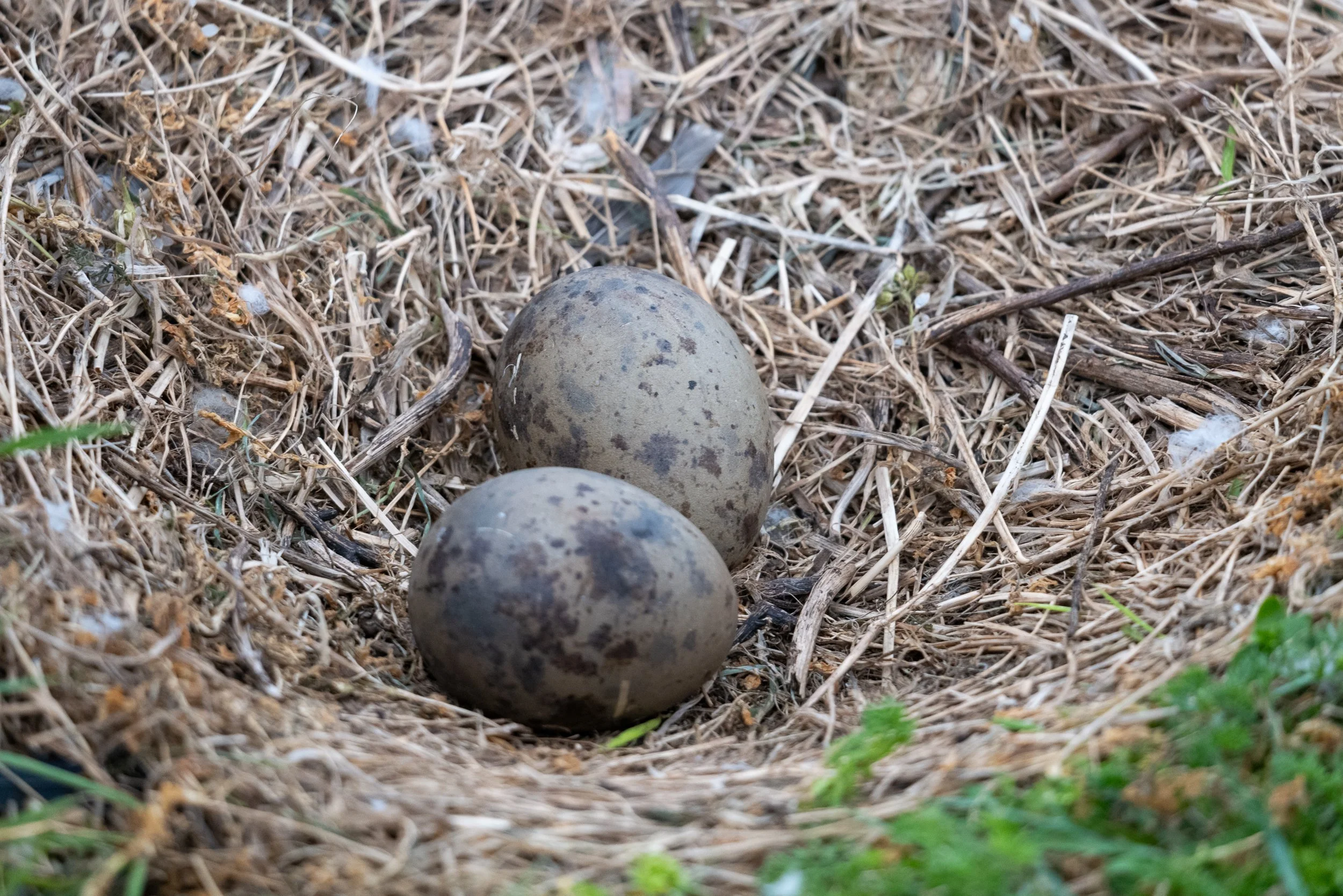
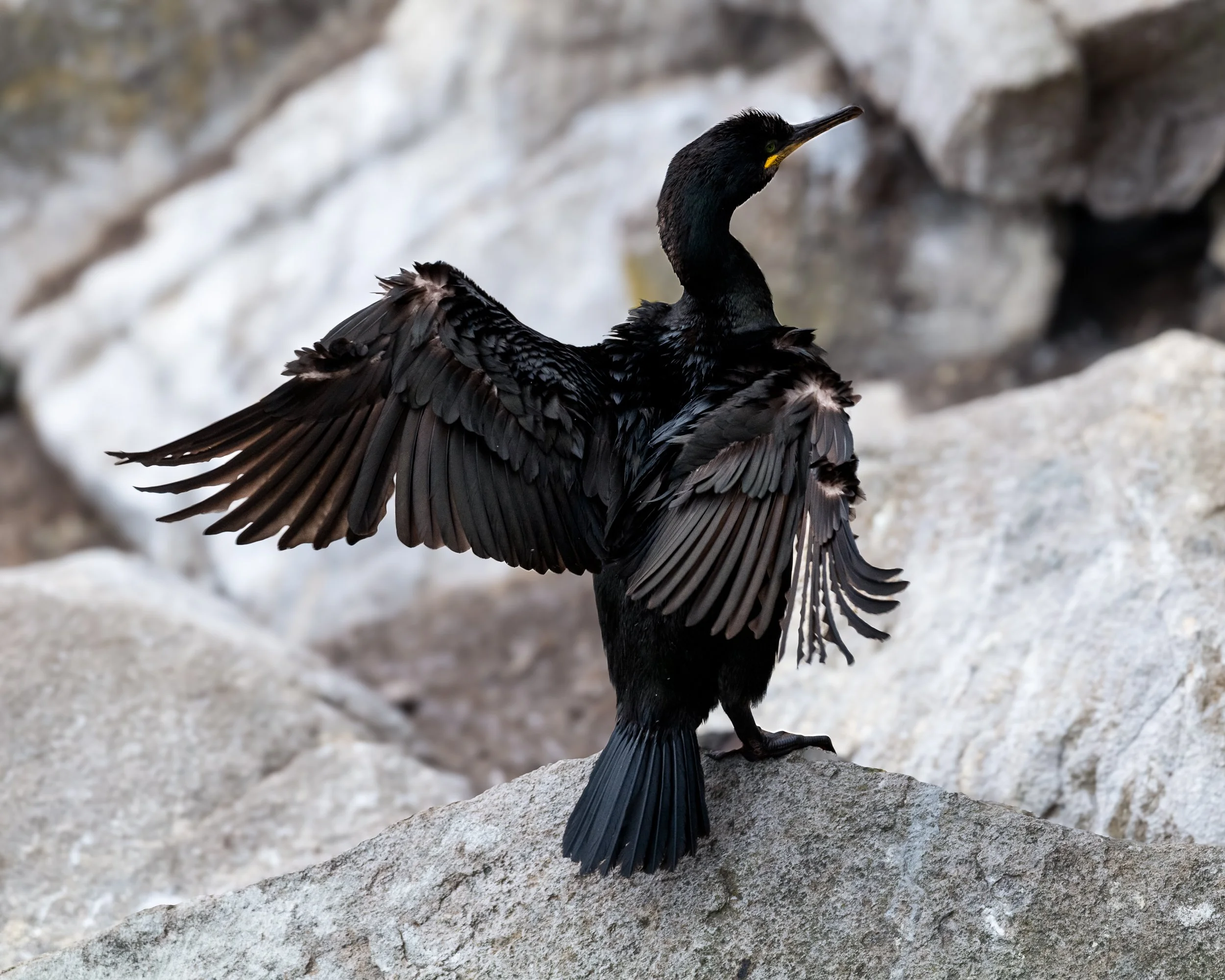
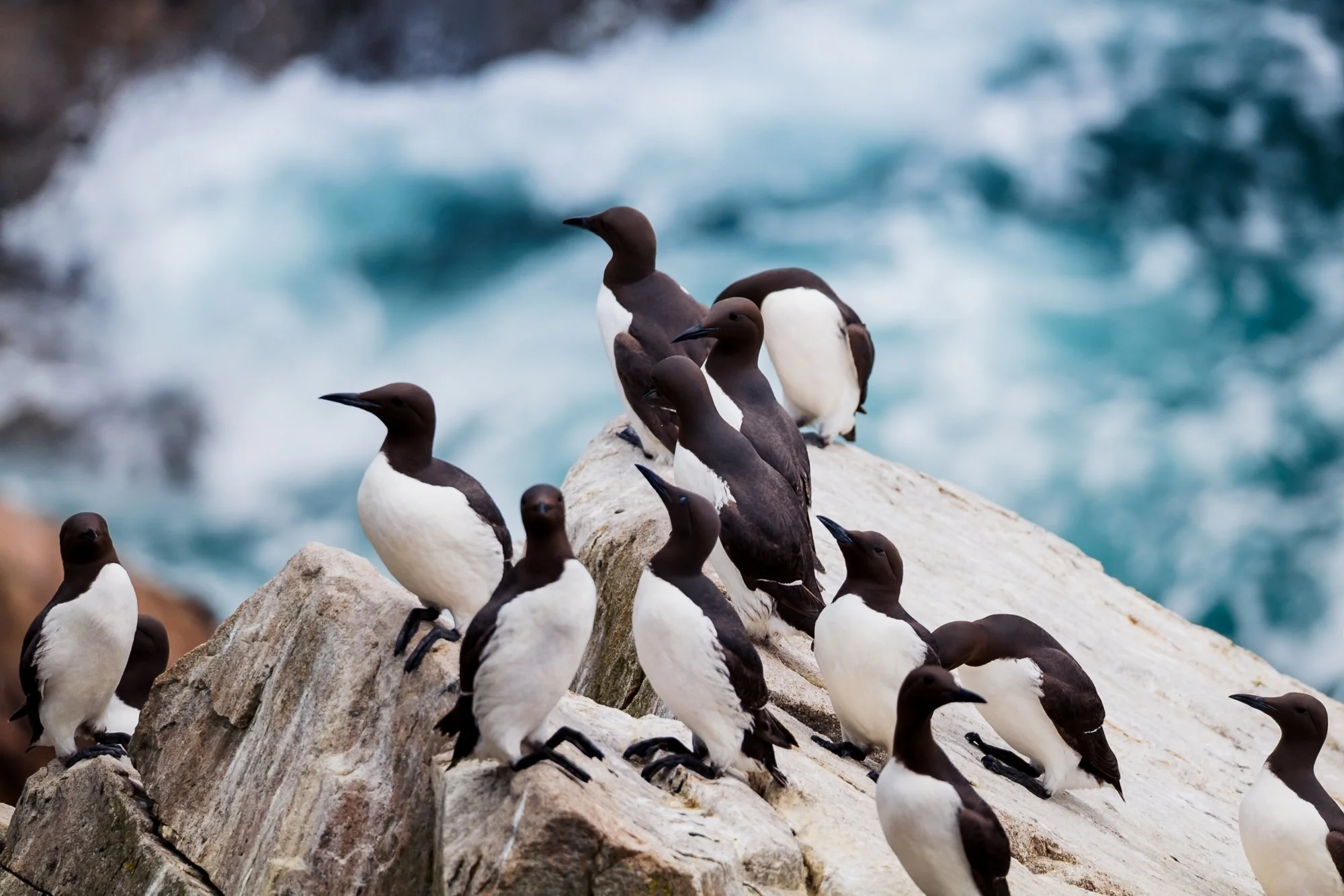
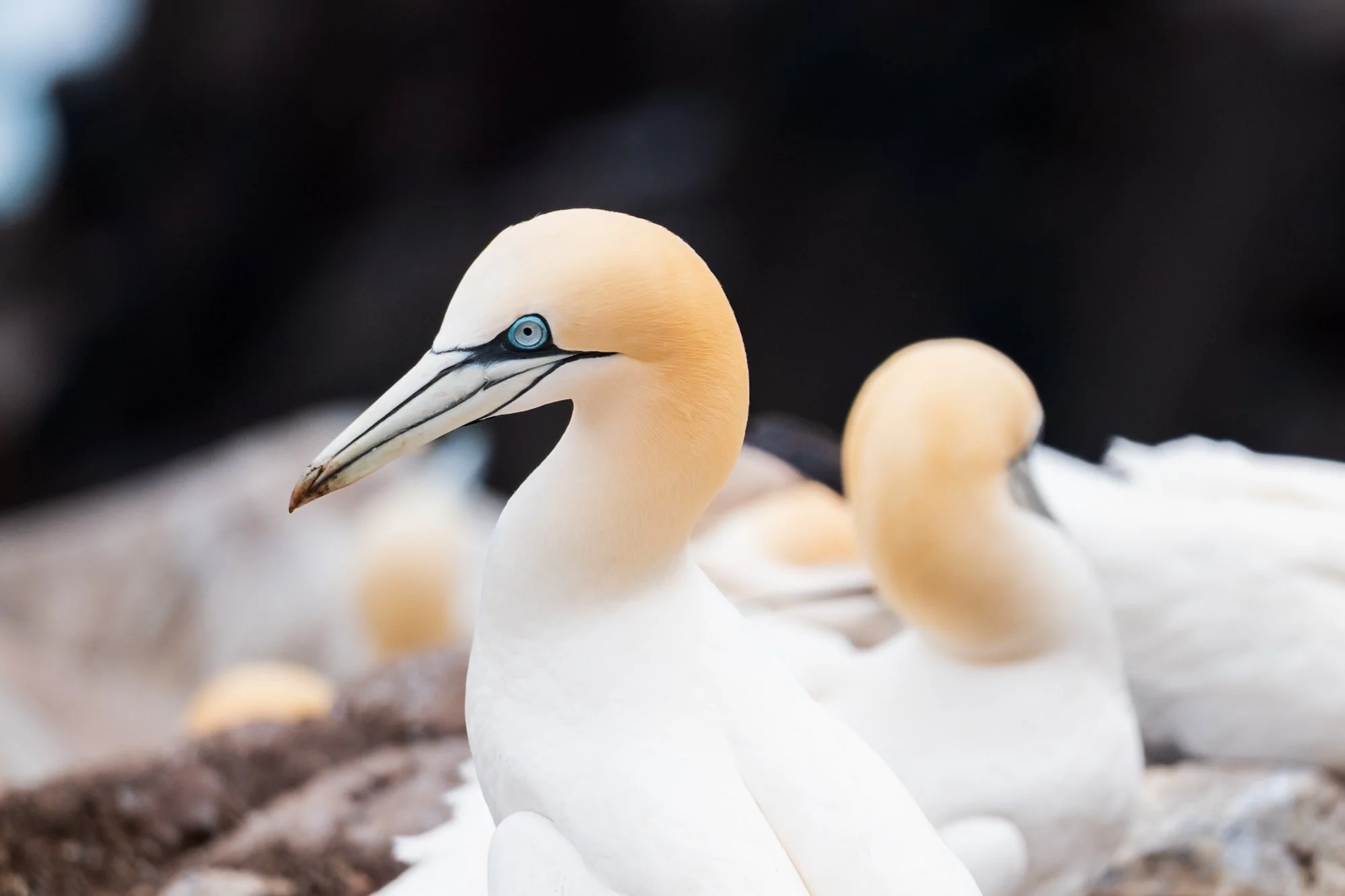
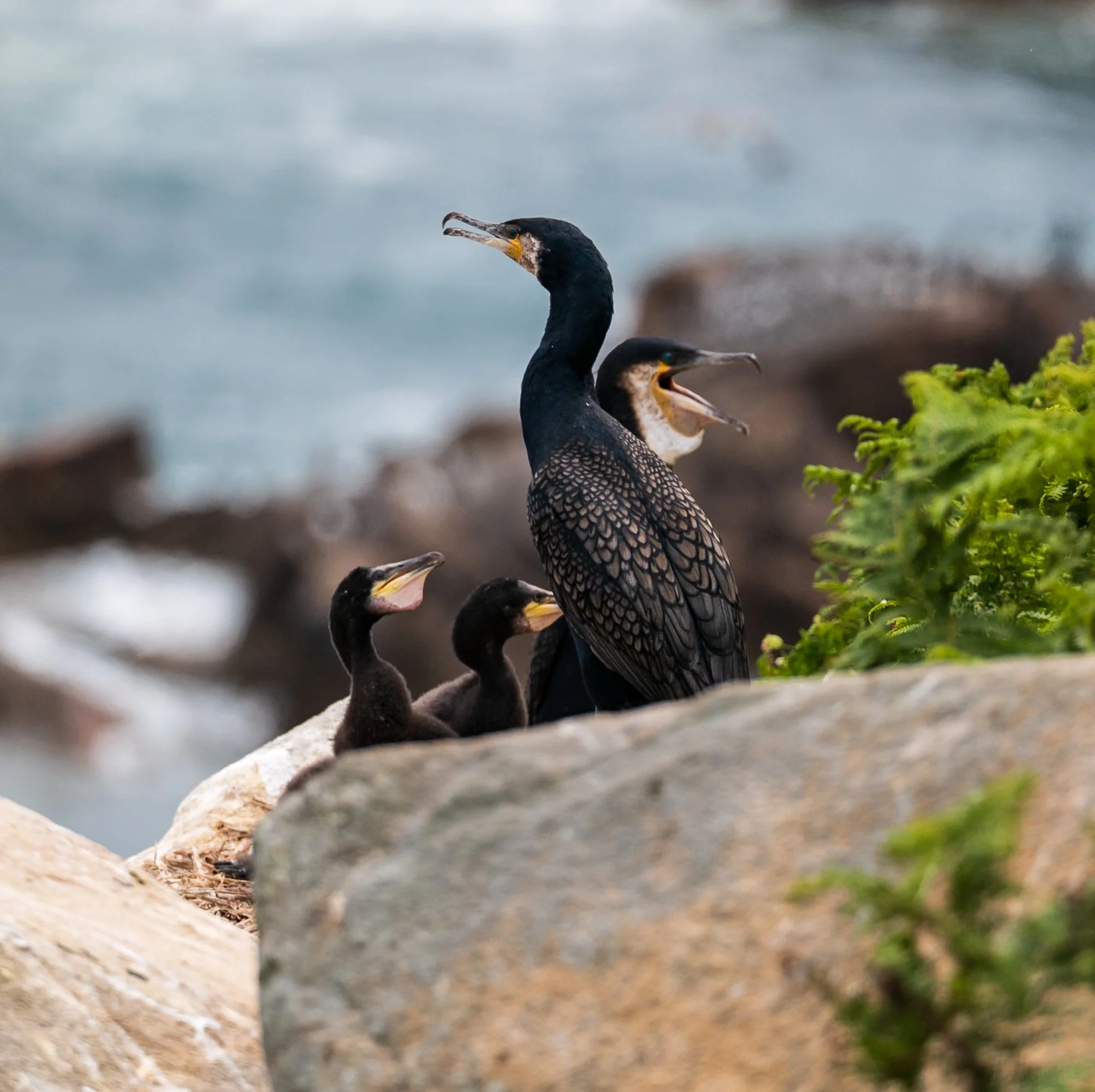
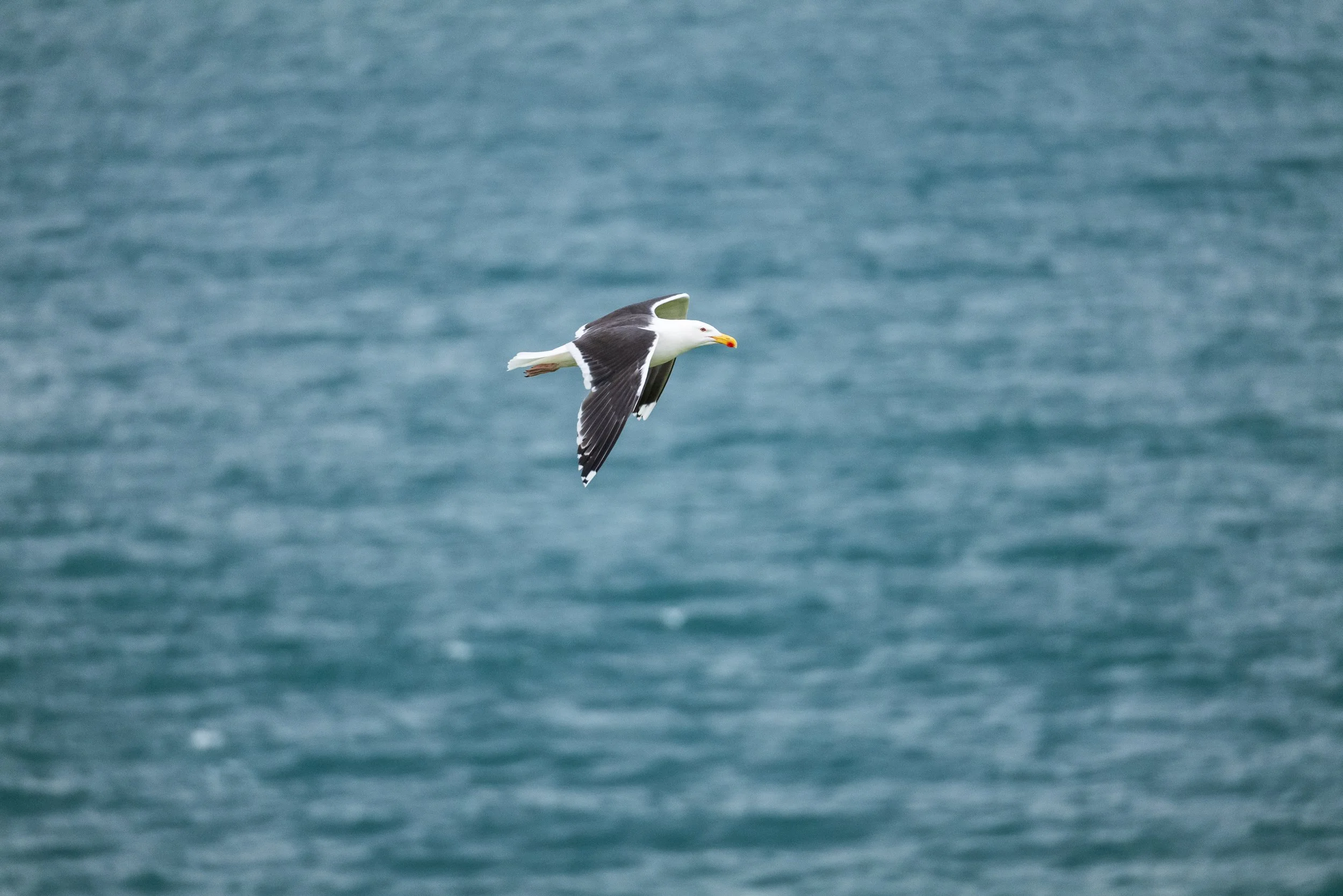
Looking back, it is not just the images that stay with me. It is the rhythm of the travel itself; the bus rides through narrow country roads, the small boats with their quirky captains, the wildflowers holding to the edges of cliffs, the sharp wind that never quite leaves your jacket. Photography brought me to these islands, but the experience was always larger than the frame. For a time, I was simply part of it, and that is what I carry with me long after the photographs are made.

BEYOND SEEING
Documenting children who navigate the world without sight, and discovering a different kind of vision.

India is home to an estimated 320,000 blind children, accounting for nearly one-fifth of the world’s total.
Most are blind due to preventable causes: measles-related scarring, vitamin A deficiency, cataracts, or complications from premature birth. In rural areas, limited access to early diagnosis, treatment, and inclusive education deepens the impact. Foundations like Ek Kadam Aur are working to change that, bringing specialized teaching, assistive technology, and family support directly into homes.
I went to photograph children I was told couldn’t see. What I didn’t expect was how clearly they would teach me to.


Children born blind—many to families told not to expect much—don’t move through the world like something is missing. They move like they’ve adapted to something most people don’t even try to understand. They count steps by feel, trace your face with their fingers, and hear you smile.
There was a boy who taught me how to use braille. A girl who beat me at jump rope—three times in a row. A ten-year-old yoga teacher with more balance than I’ve ever had. These weren’t photo ops; they were a challenge to my assumptions. Behind every frame was a story that had to be earned. No dramatic lighting, no over orchestration — just truth: hands moving across a braille page, a child listening to a sound I couldn’t hear, a teacher kneeling on the ground, guiding a student’s fingers across a reader.


I wasn’t capturing pity or perfection. I was witnessing power—the quiet kind that doesn’t need eyes to be seen.
These images aren’t only about blindness. They’re also about clarity, curiosity and compassion. The kind that appears when you stop looking for what’s missing and start noticing what’s there.


