Depth of Field
Beyond the surface of each image lies a deeper truth waiting to be uncovered.
In this space, I explore the complexities of life - its beauty, the challenges, and the quiet strength that shapes our world. Through careful observation and thoughtful narrative, these stories seek to reveal moments that might otherwise go unseen, offering a glimpse into the human spirit in its many forms.
THE IRISH COAST
One of the most remarkable coasts in the world for bird photography.
On the Great Saltee Island I saw two kittiwakes nested on a steep cliff amongst beds of pink sea thrift, enjoying a laugh together.
Ireland and Scotland are my favorite places to visit. There is a comfort to both places that goes beyond the scenery. It is in the people, the way conversations start easily, the humor that comes without effort, the feeling that you are welcome even if you are just passing through. It is also in the culture, where music, stories, and traditions are part of everyday life rather than something put on display.
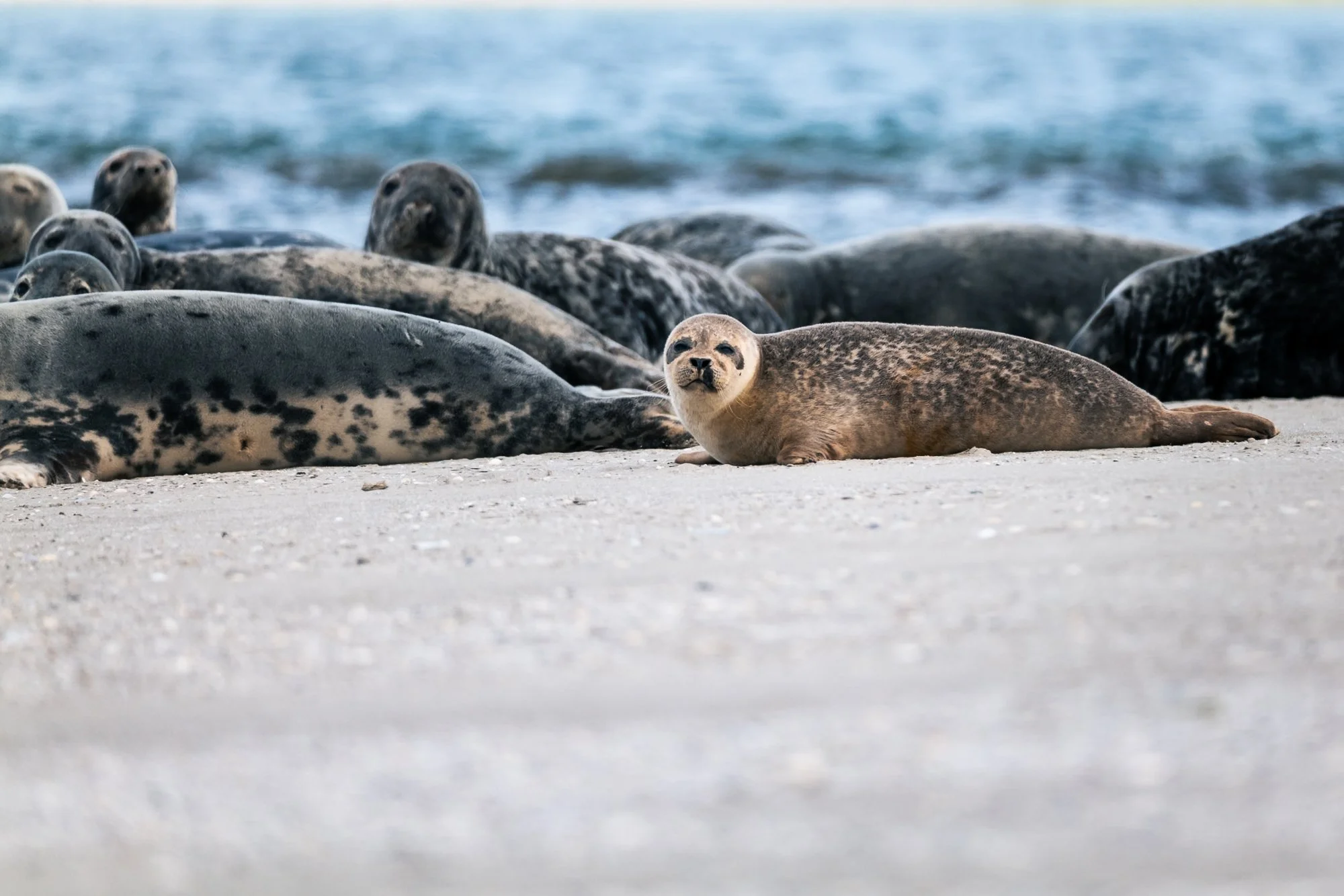
My time along Ireland’s coast began at North Bull Island, just outside of Dublin. It is a place where the tide seems to reshape the land every few hours, opening stretches of sand and then covering them again. The light there was never still. One moment the sea was silver and calm, the next it turned a dull gray as clouds swept in. The birds went about their routines regardless, seagulls and guillemots carrying on as though nothing I was doing mattered. Shooting there for me was another lesson in patience. I adjusted my camera again and again, chasing light that vanished as quickly as it appeared. The day mostly felt like a photographic failure, but in the quiet between shots I realized the stillness itself was part of the reward. I was about to leave with no good photographs, until I spotted a heard of seals. and was beyond elated, but I couldn’t get too close to them as they were getting very agitated at my presence. I laid on the sand and discretely inched closer and closer, until I was caught and asked to leave the island by the park rangers.
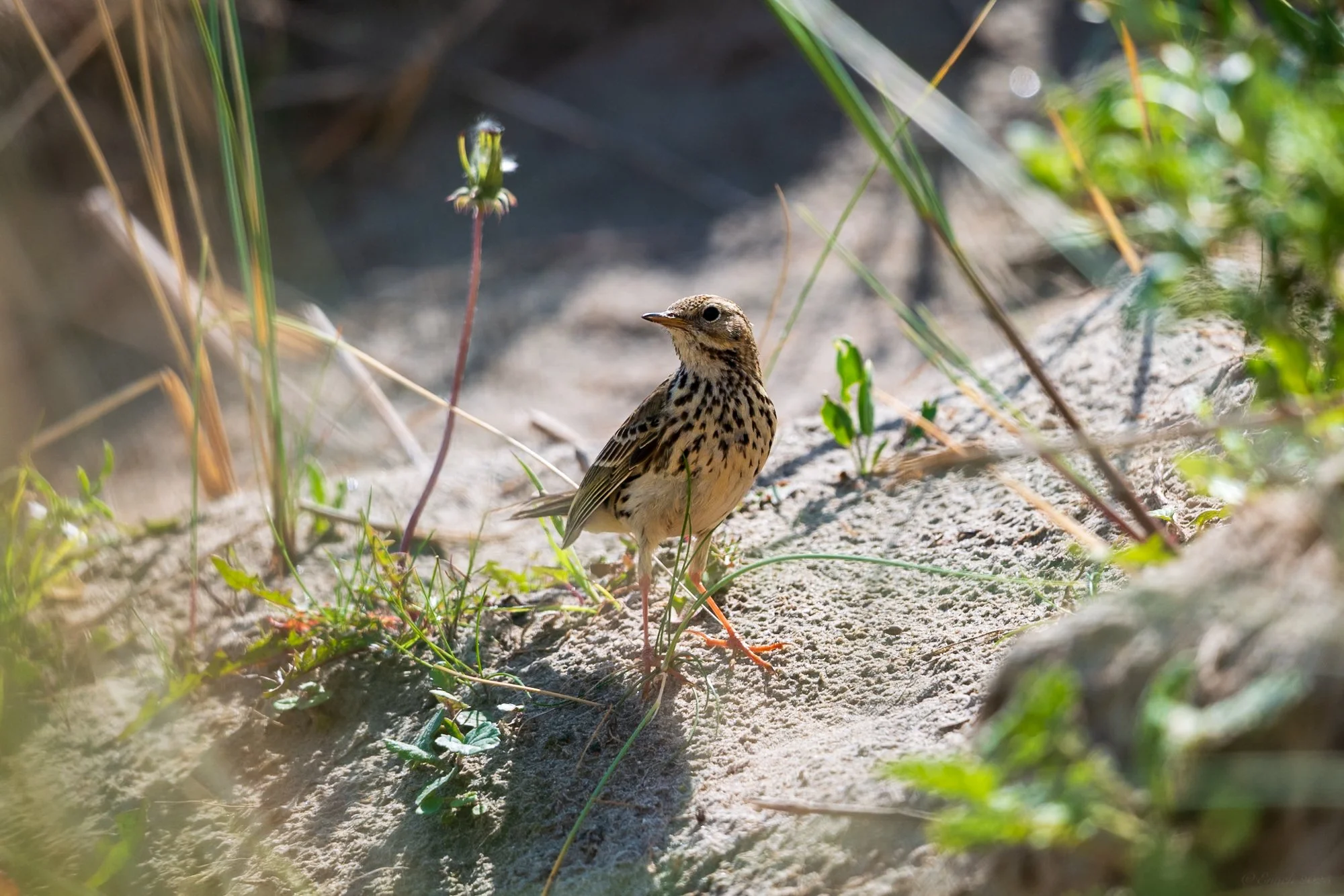


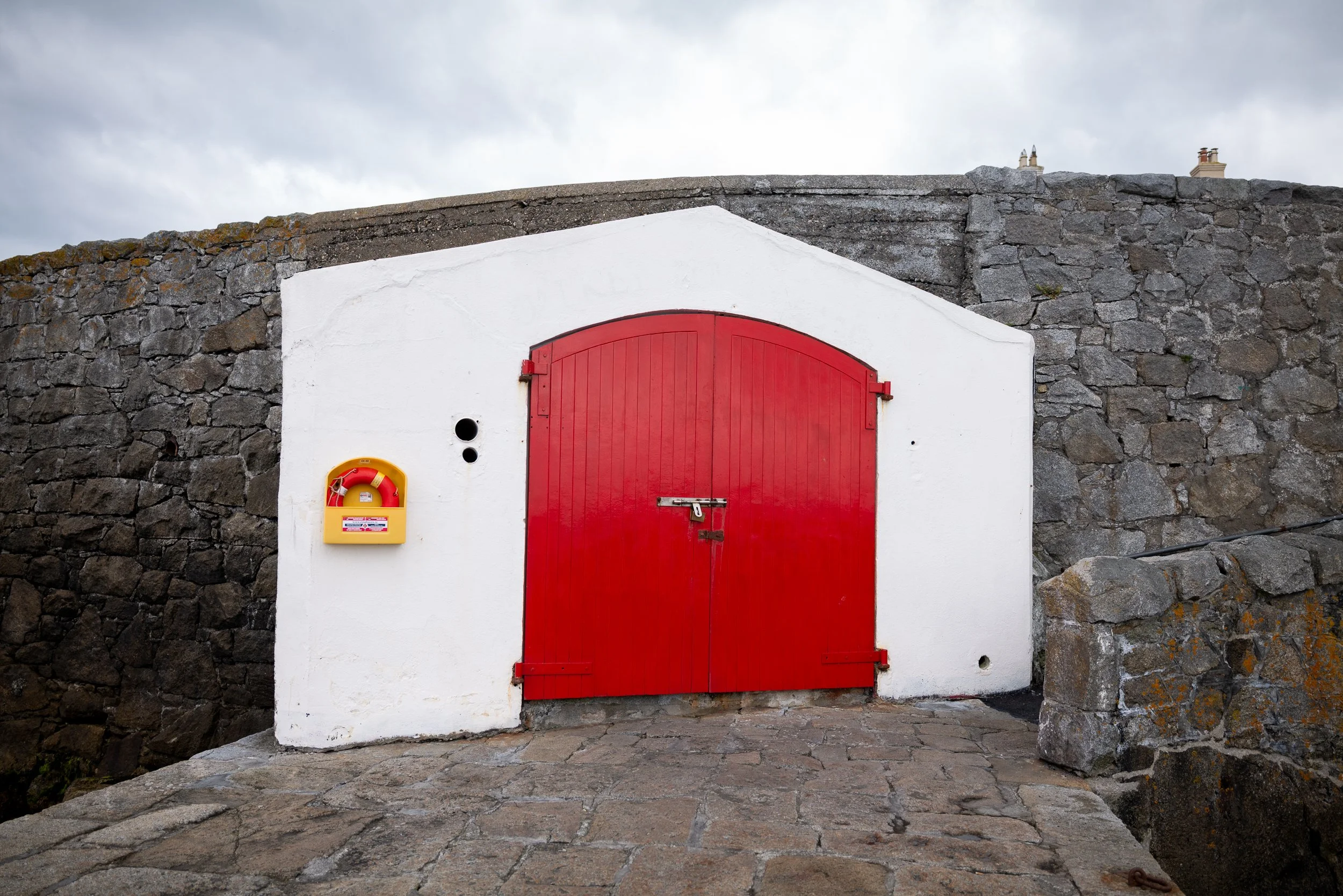
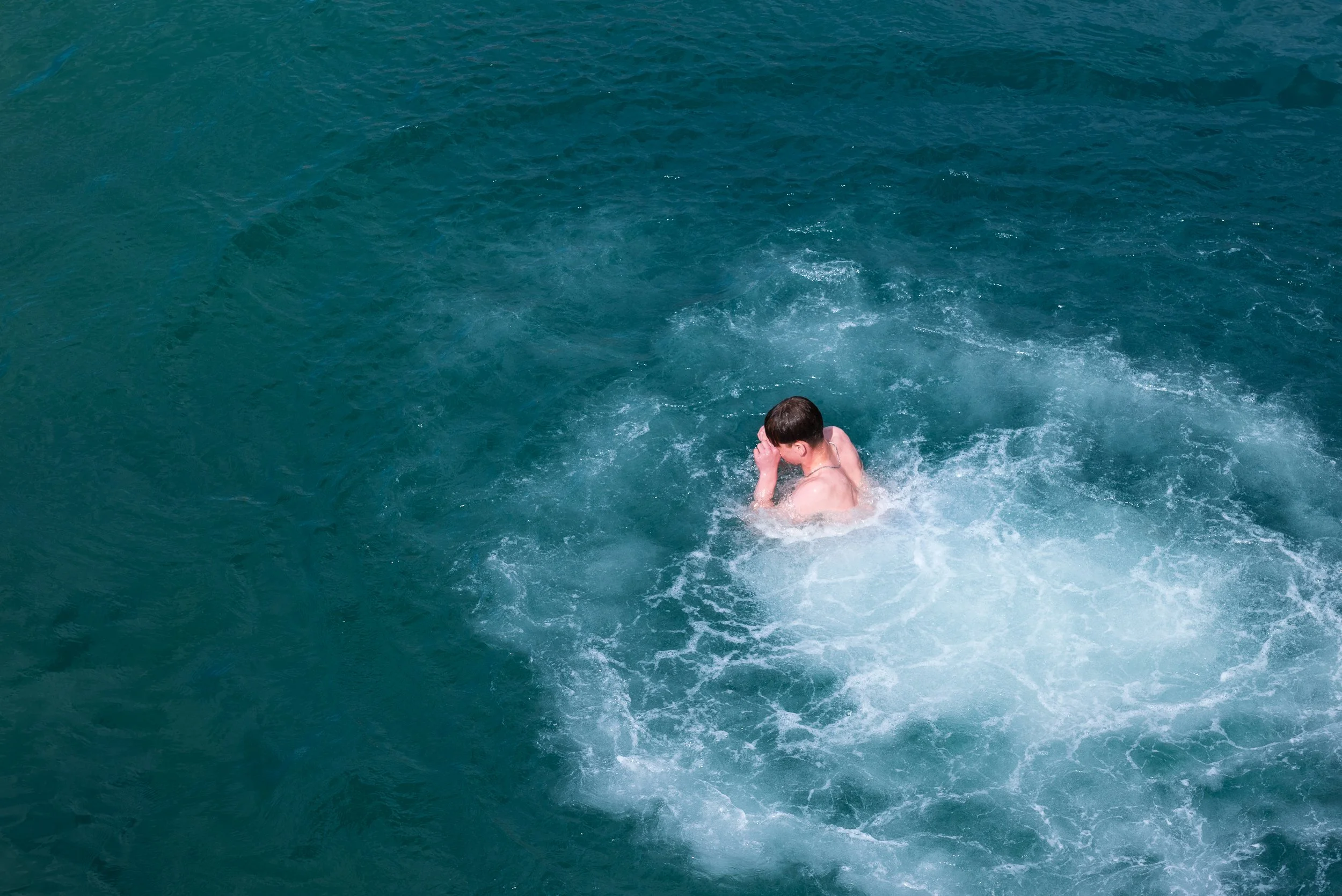

From there I went north to Howth, a fishing village with cliffs that rose steeply over the sea. The walk along the headlands was filled with wildflowers clinging to the rock, gulls wheeling overhead, and the smell of salt in the air. Puffins appeared in small numbers here, but other seabirds were a plenty, scattered among the cliffs. I took a very short boat ride to a nearby island, home to dozens of bird colonies of Purple Sandpiper, Black Guillemot, Sandwich Tern, Northern Gannet, Common Guillemot and more. After waiting for about 10 minutes for a storm to pass, the island became peaceful. After some great shots, and run-ins with several territorial bird parents, I went back to the village, which actually had several cute cafes and restaurants.
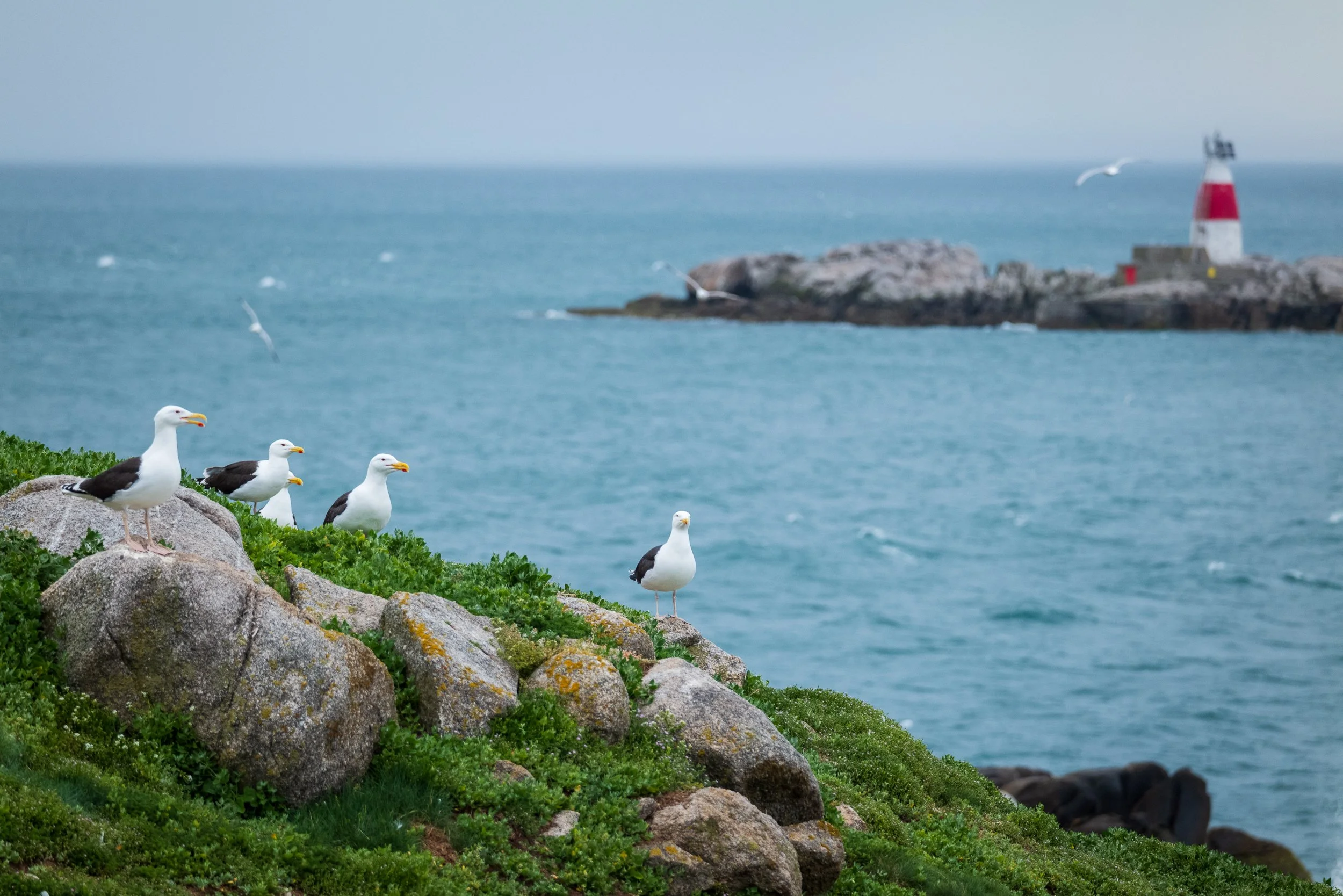
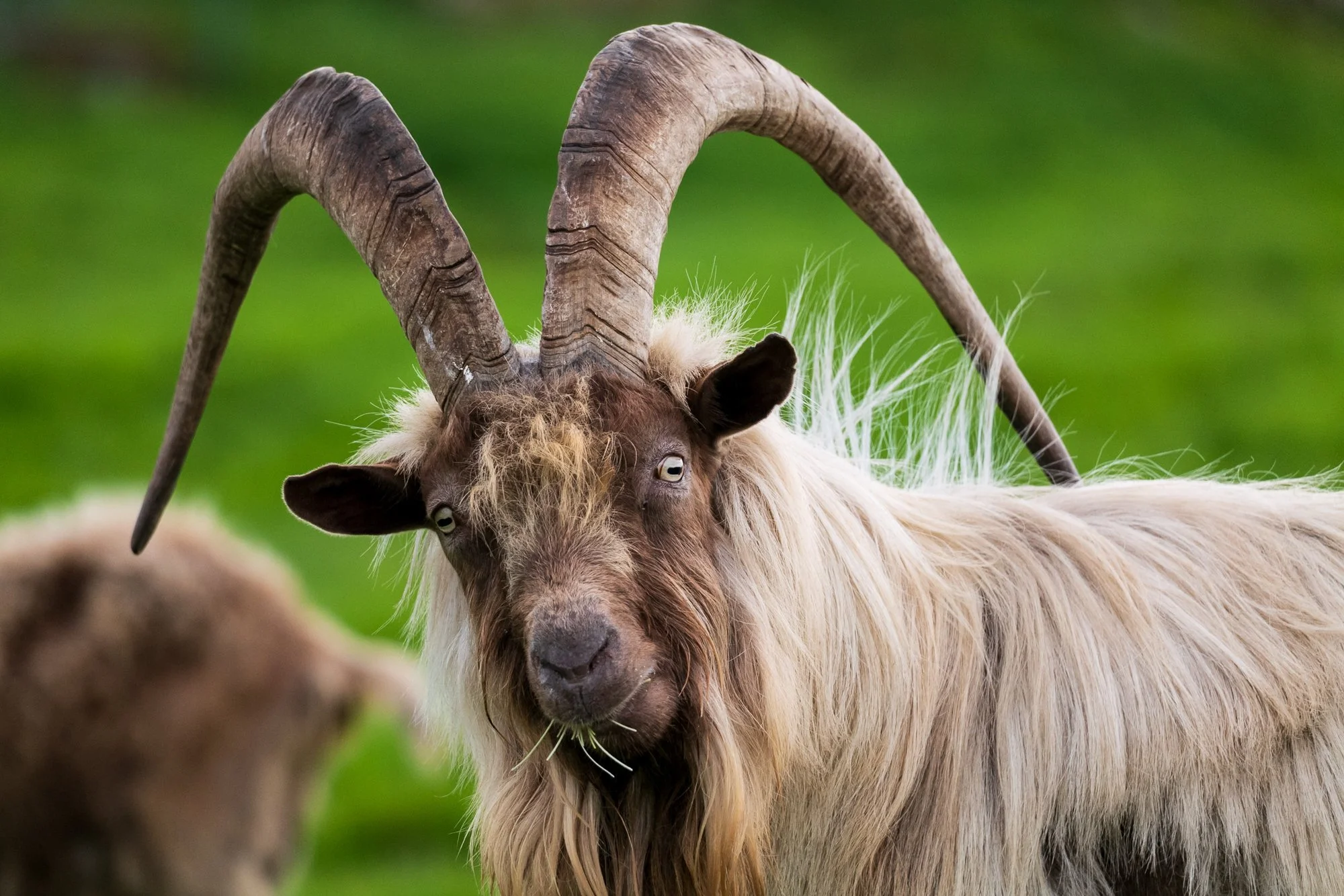
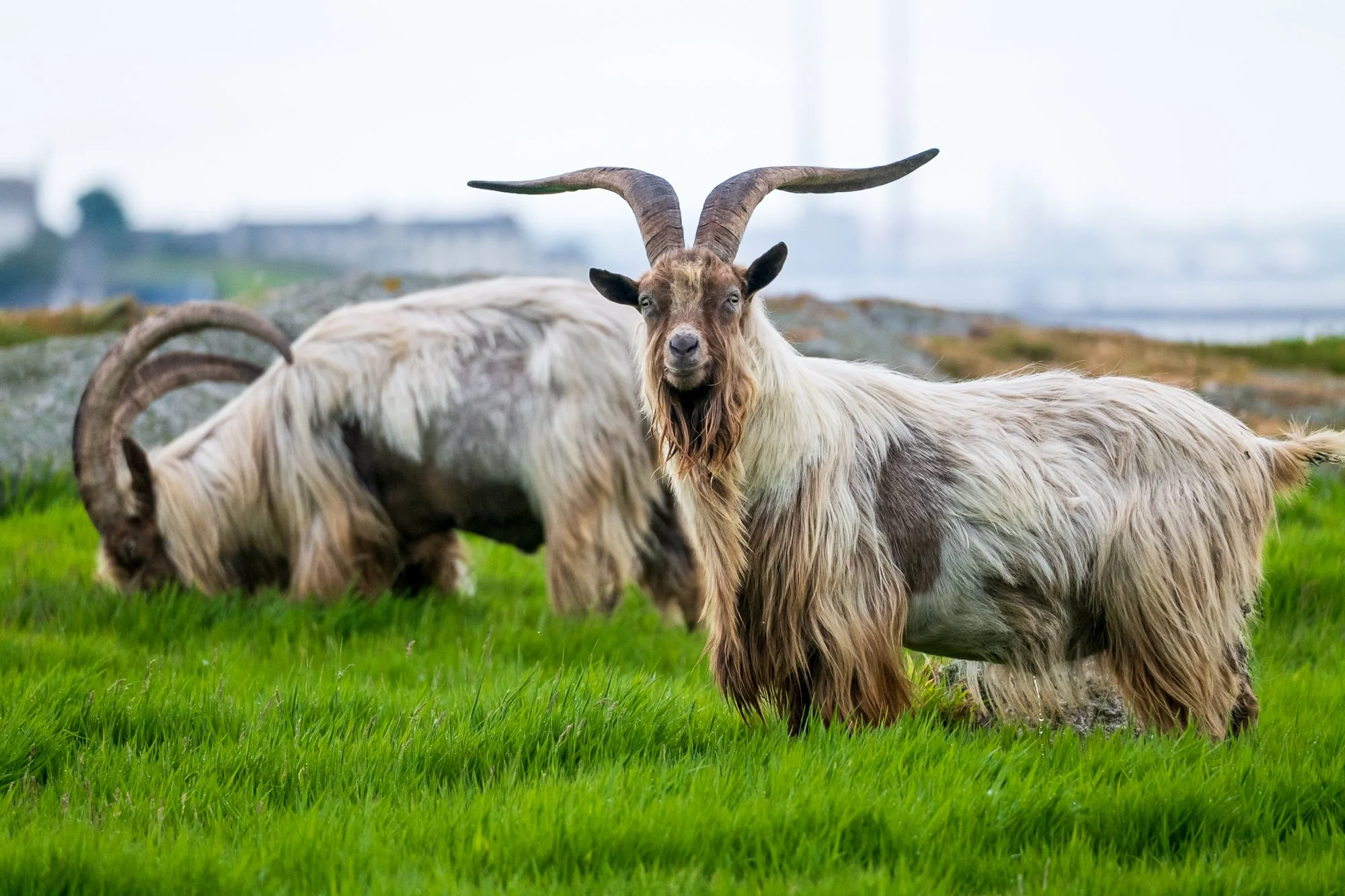
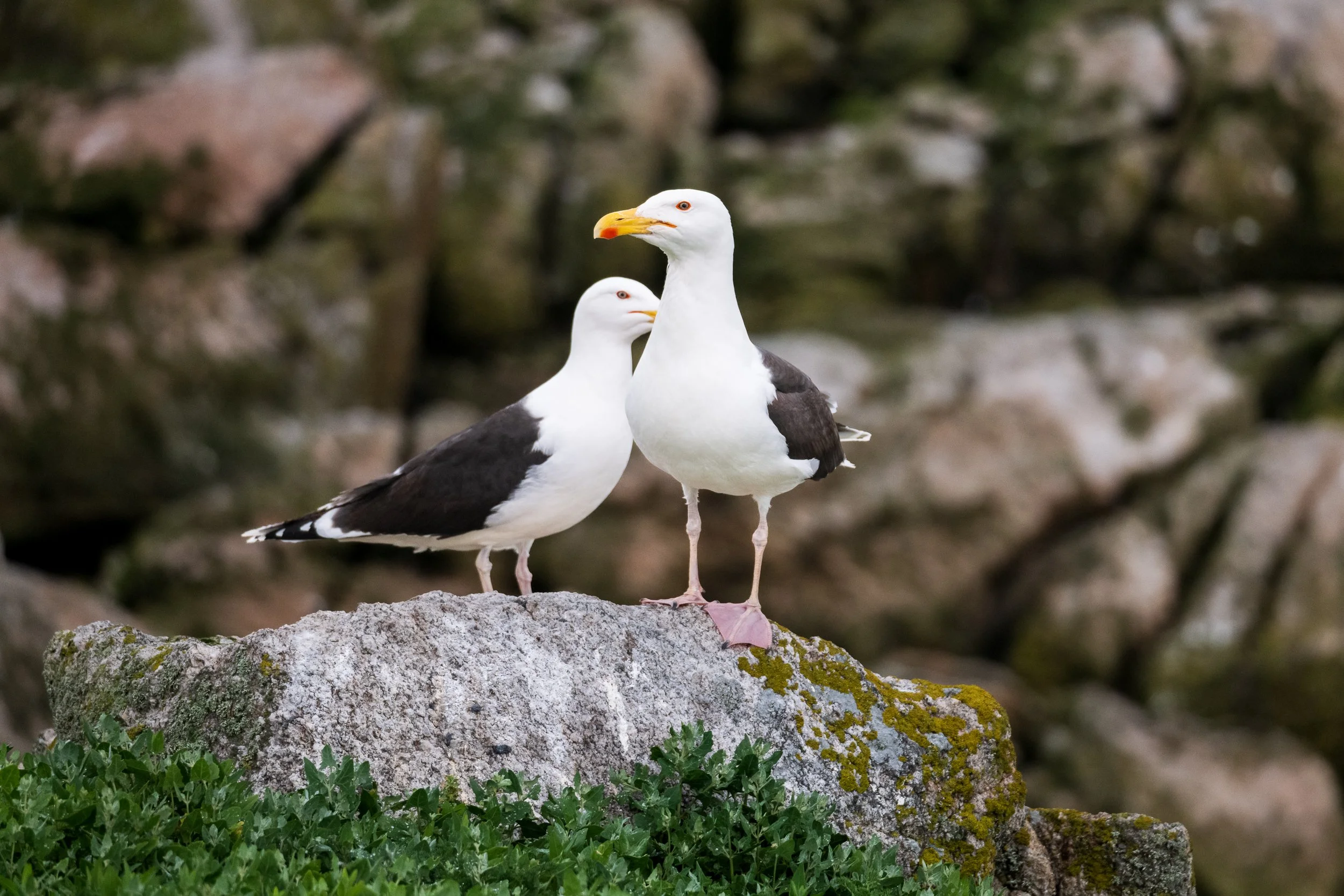
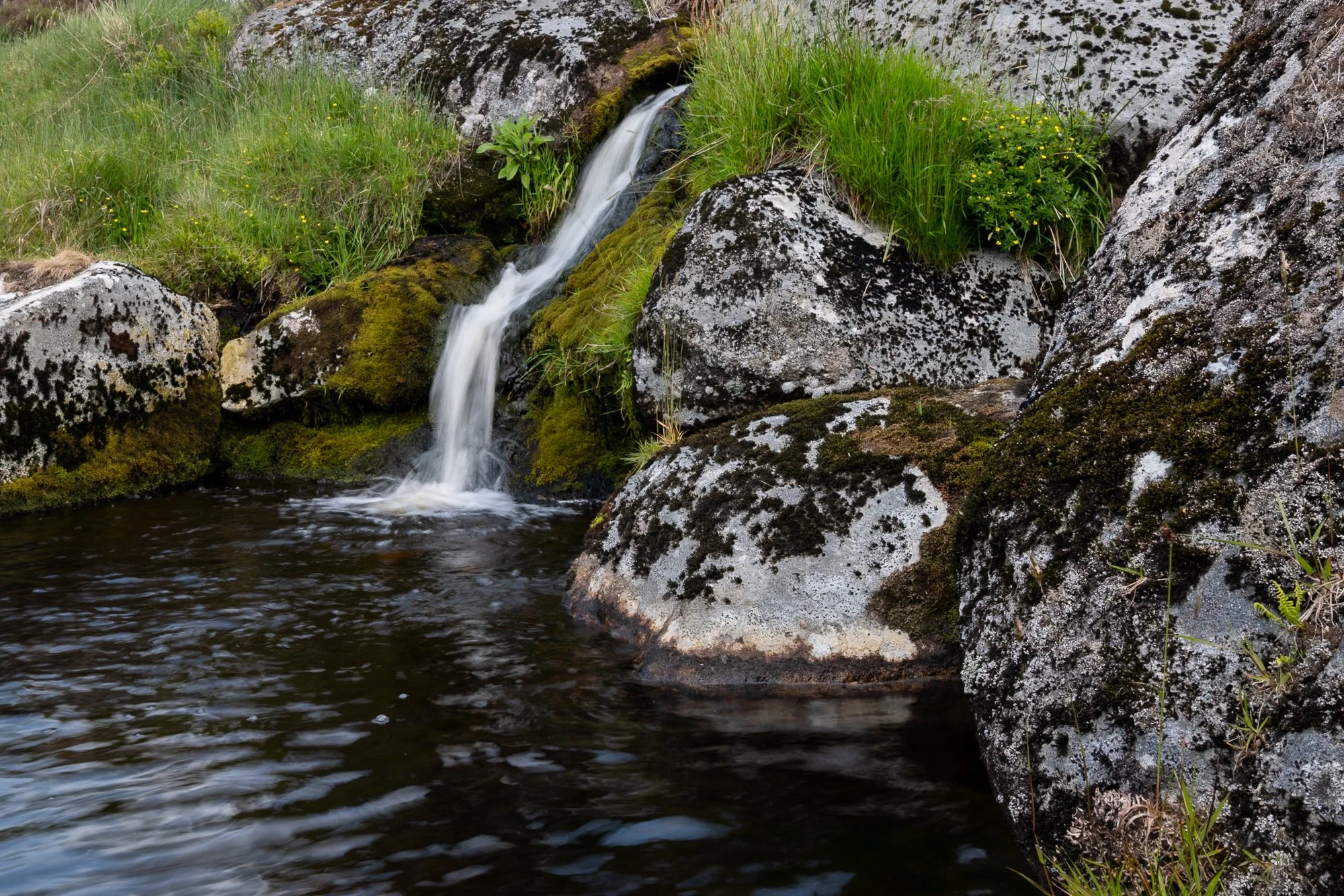
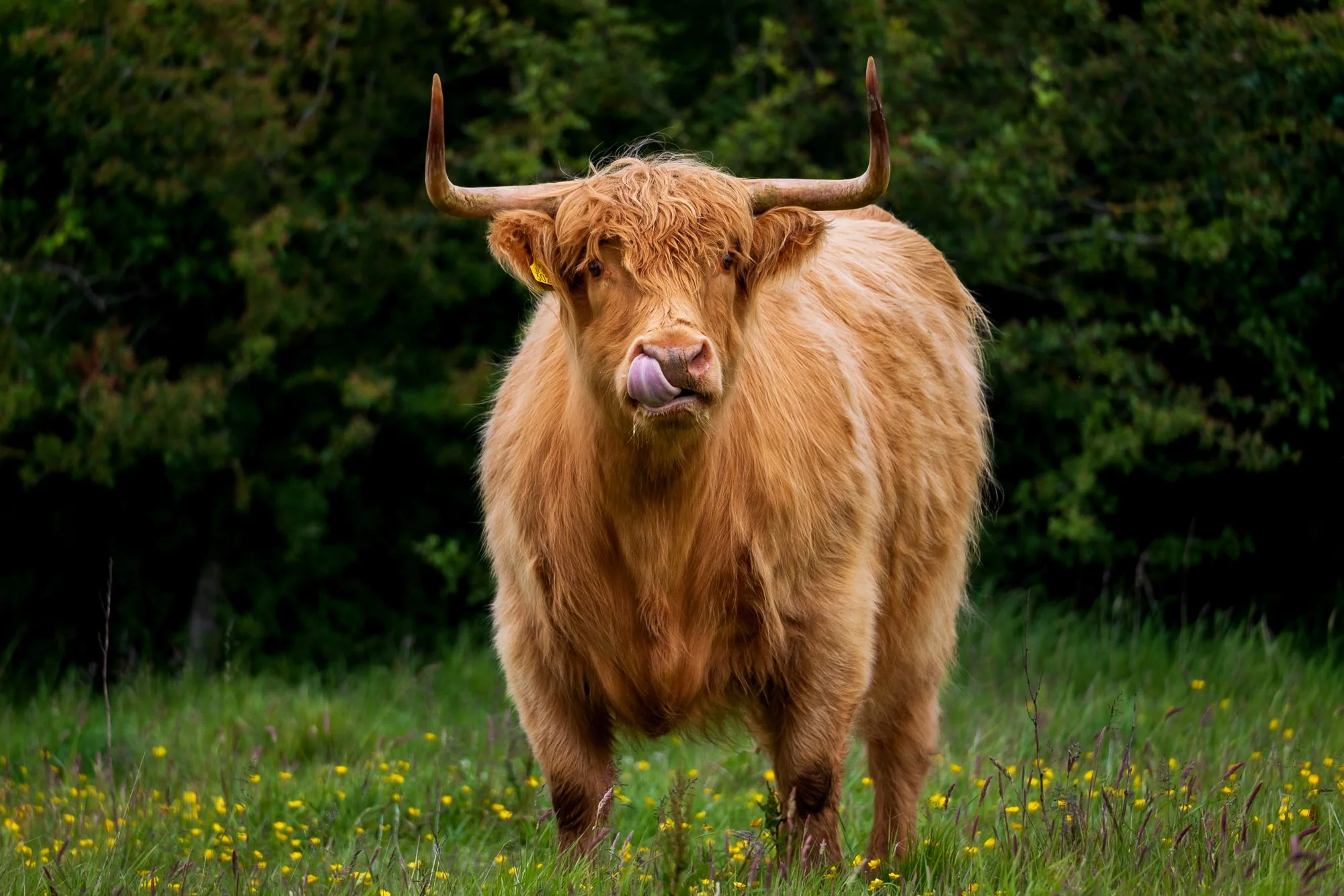
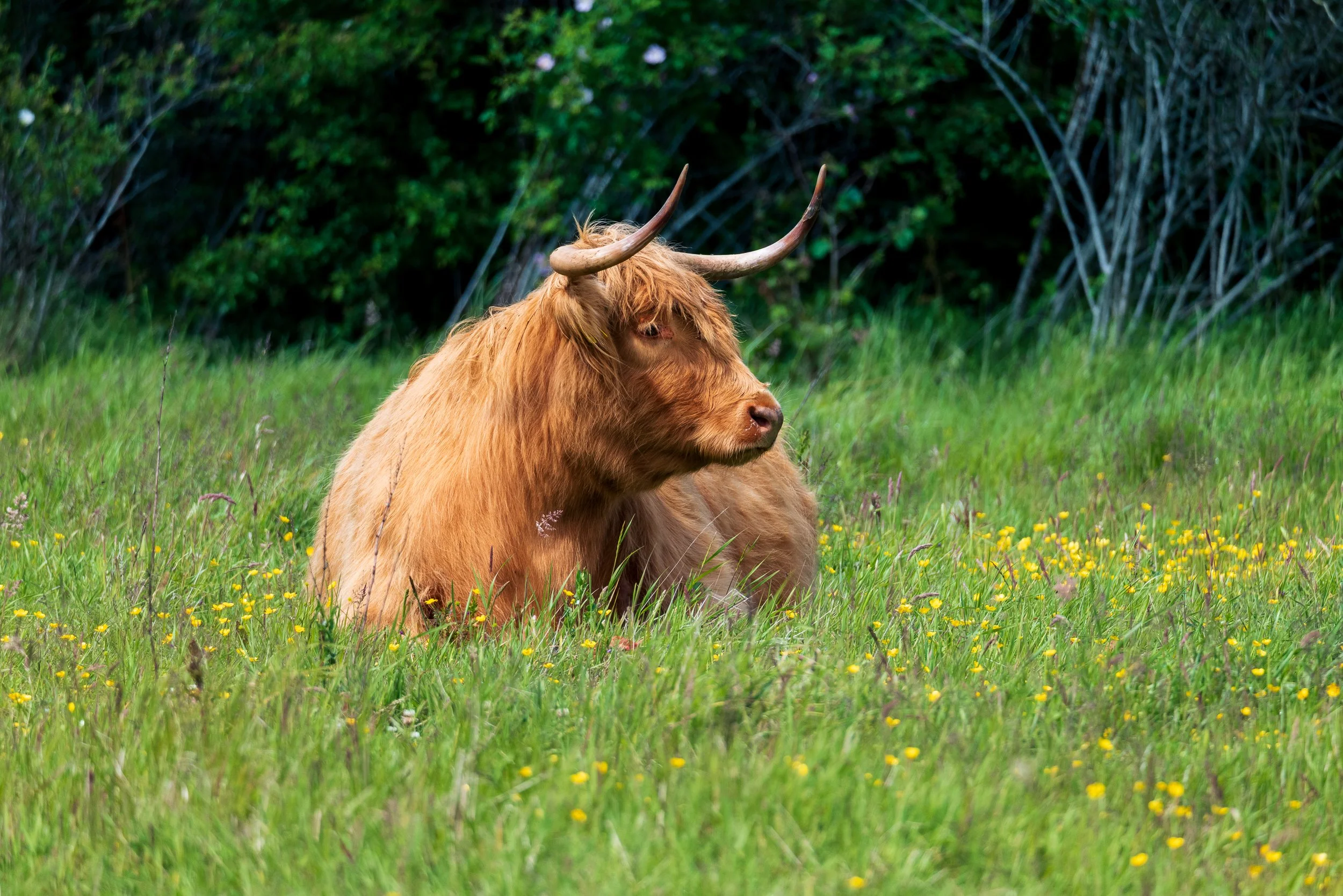
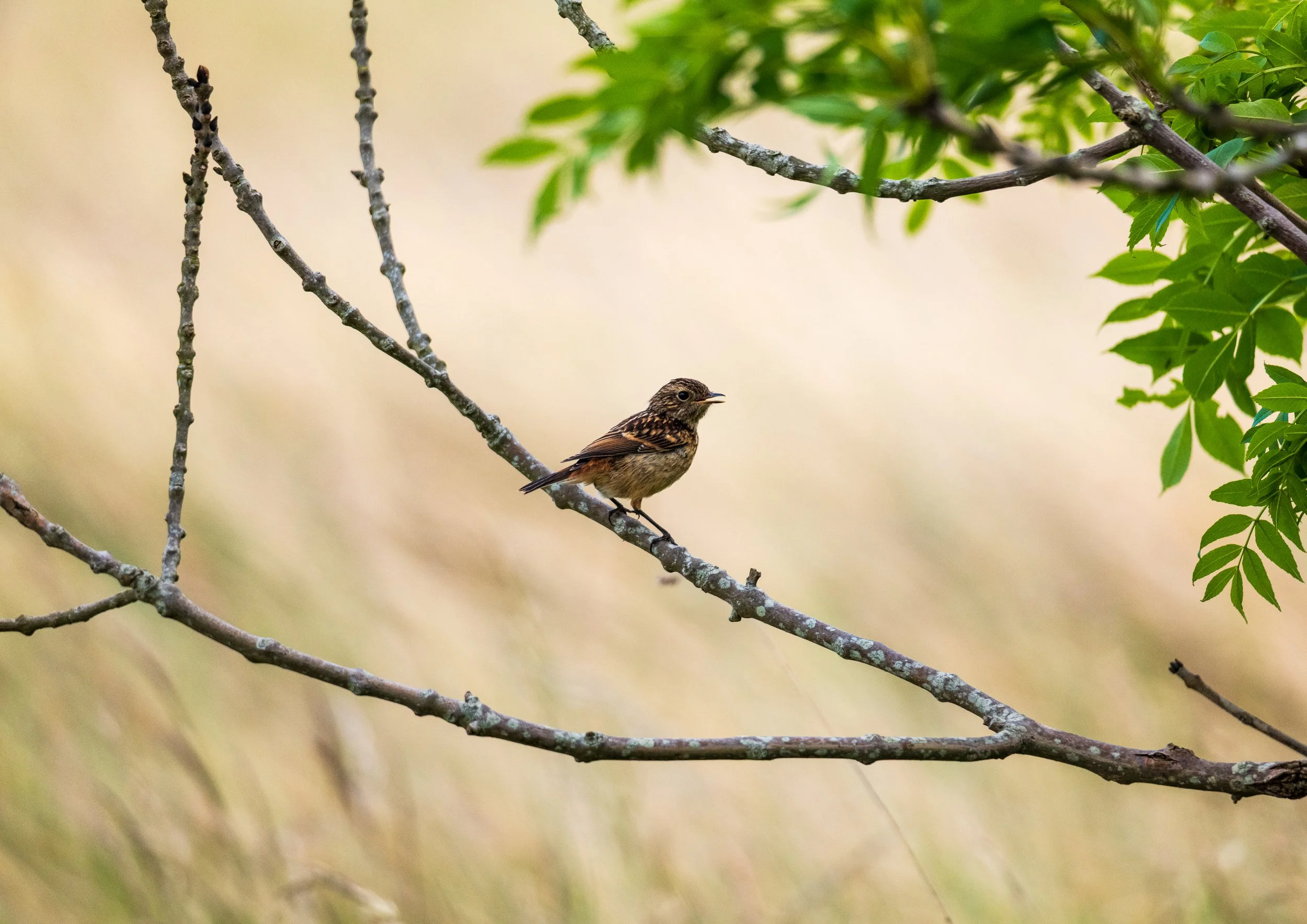
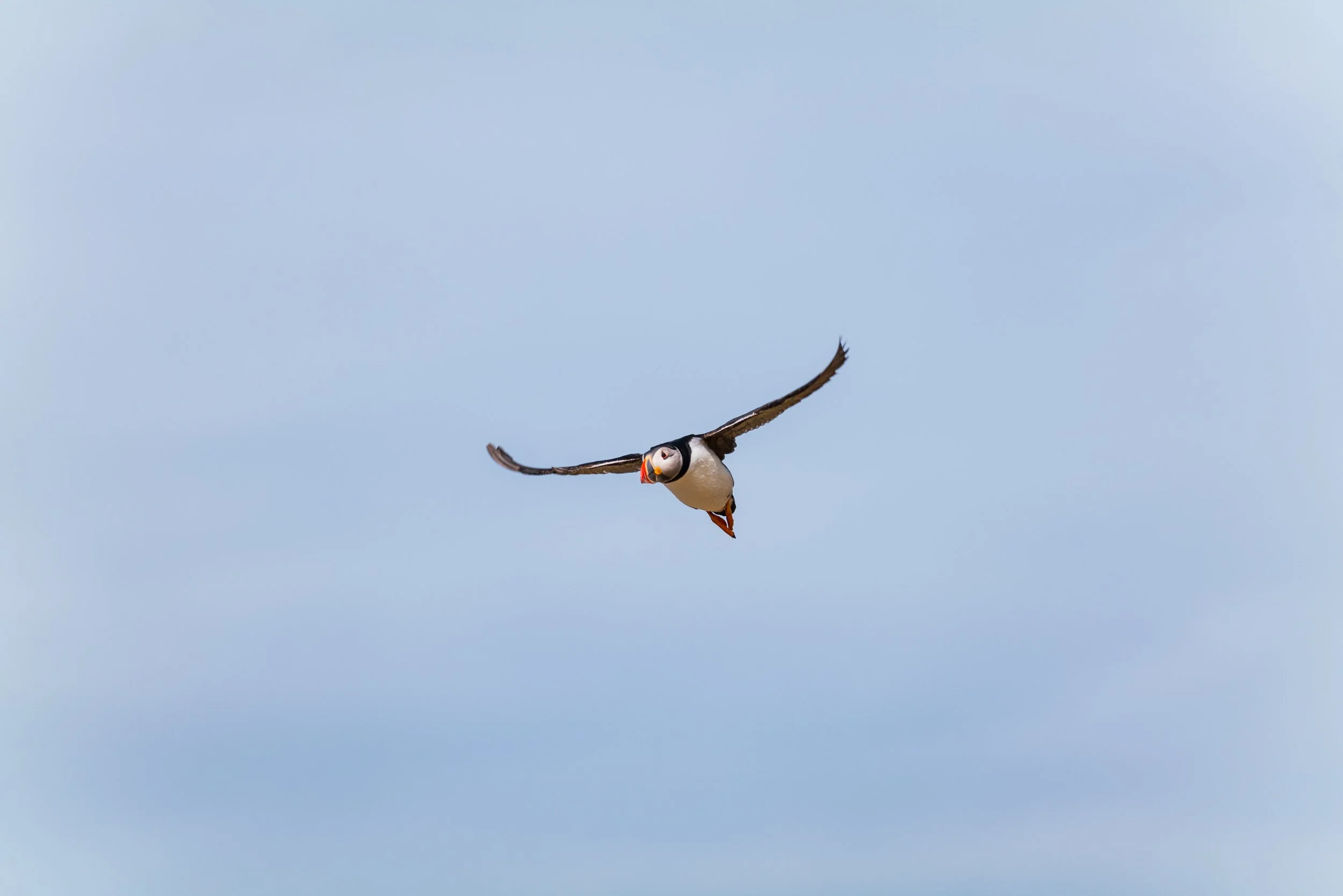
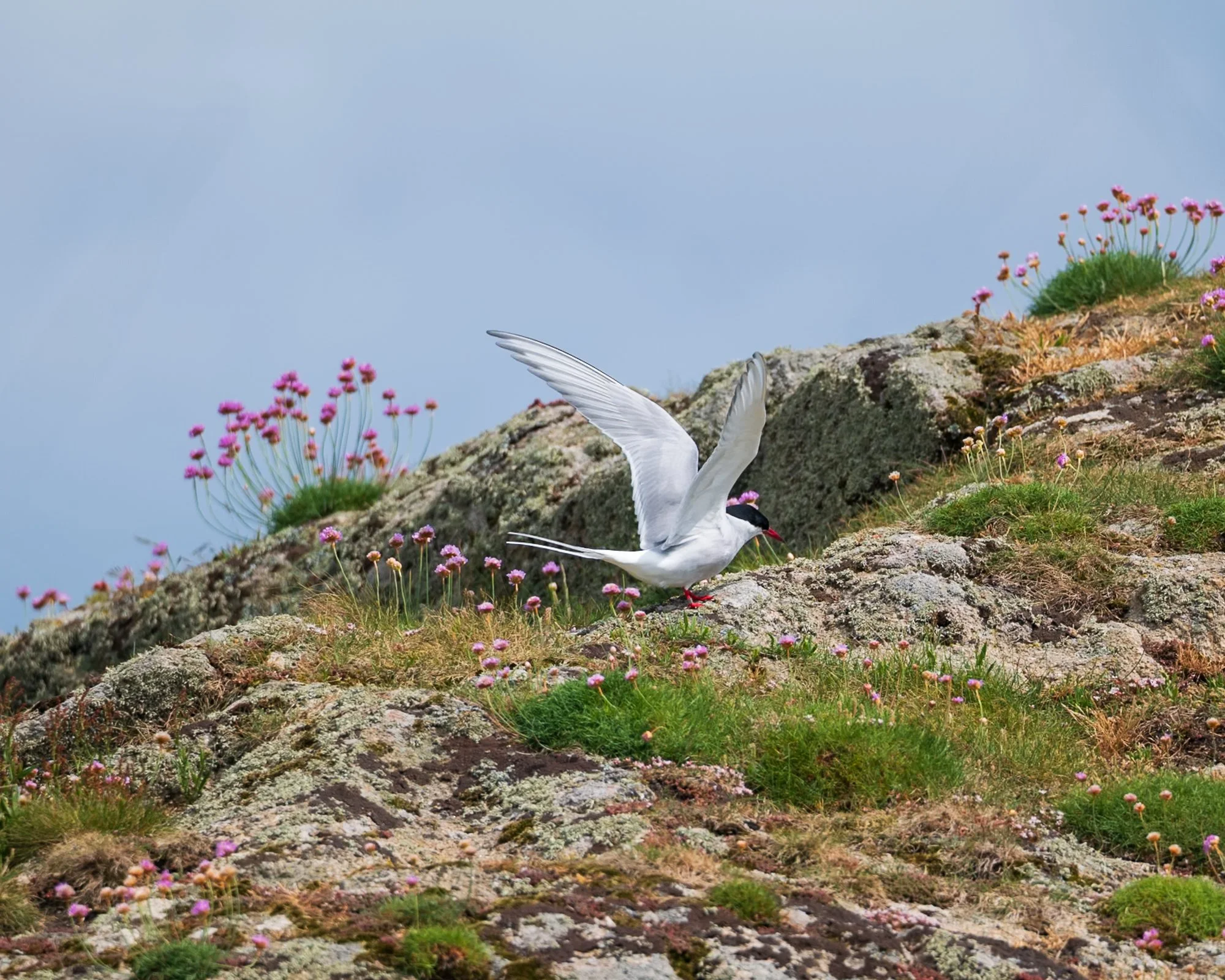
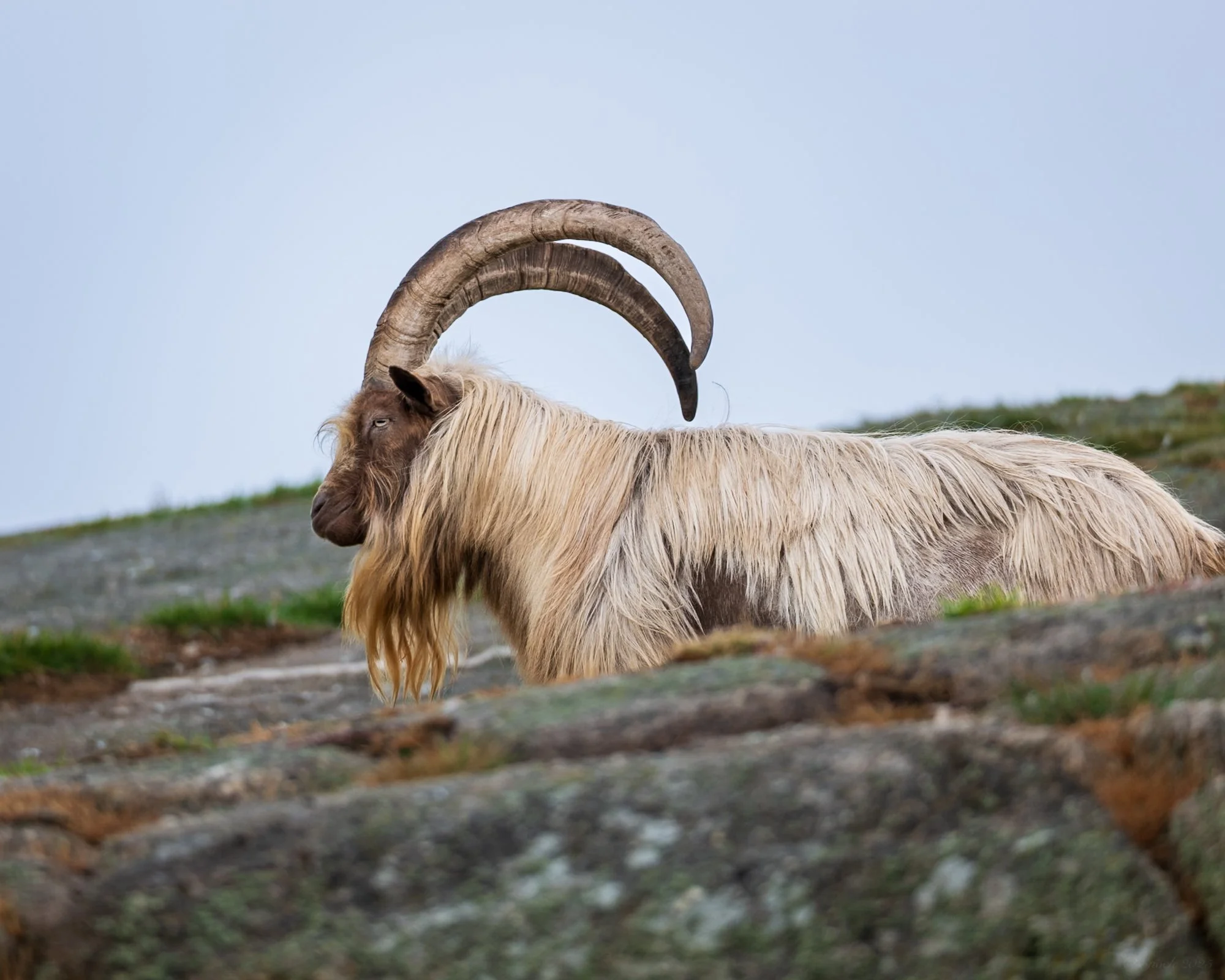
A couple days later, my journey to the Great Saltee Islands was the epitome of my trip, and took some time to get to. A couple long bus rides through the countryside, starting early in the morning and arriving in Kilmore Quay by the evening. The next day taking a small boat across the water to this great Mecca of birds.
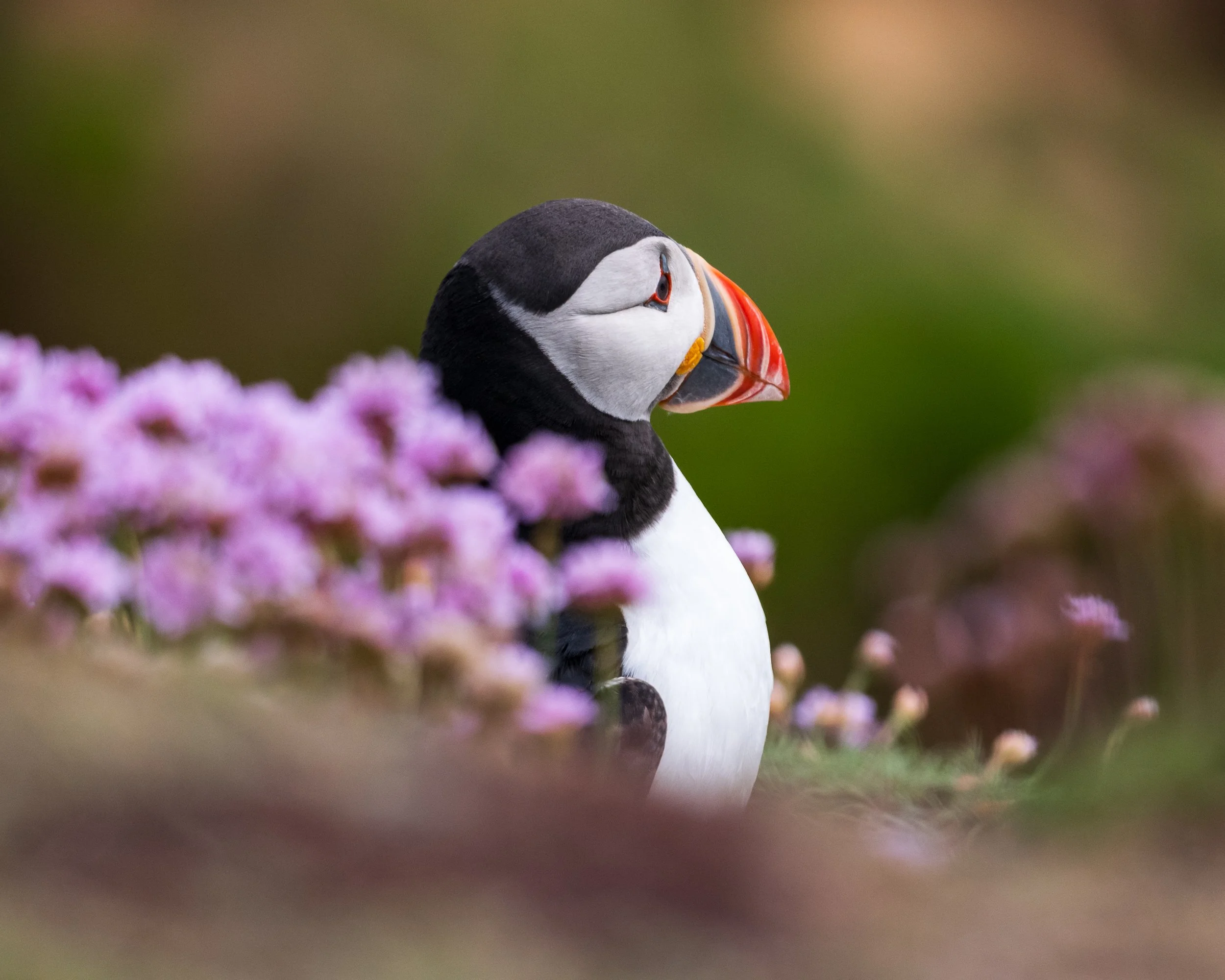
When you step onto the Great Saltee the noise hits you first. Colonies of guillemots crowd the ledges, their calls echoing across the cliffs. Razor bills hold their ground with sharp contrasts of black and white. Puffins pop in and out of burrows, often carrying fish, sometimes just standing among the flowers as if they own the place. Many puffins will walk right up to humans to check them out, but it’s forbidden to touch them or stand too long in there path. The thing is, puffins burrow nests underneath the ground you’re standing on, and the may not be walking up to you but you might be standing on top of their front door. Needless to say, it’s a much to stay on the trodden permissible path to avoid harming or confusing the birds. It is chaotic and alive, and it makes you feel small in the best way. After going heaving on the camera trigger, I often had to sit and soak it all in for a while. Regardless of the photos I was able to take, it’s was a once in a lifetime moment happening. That was the most important thing to remember.
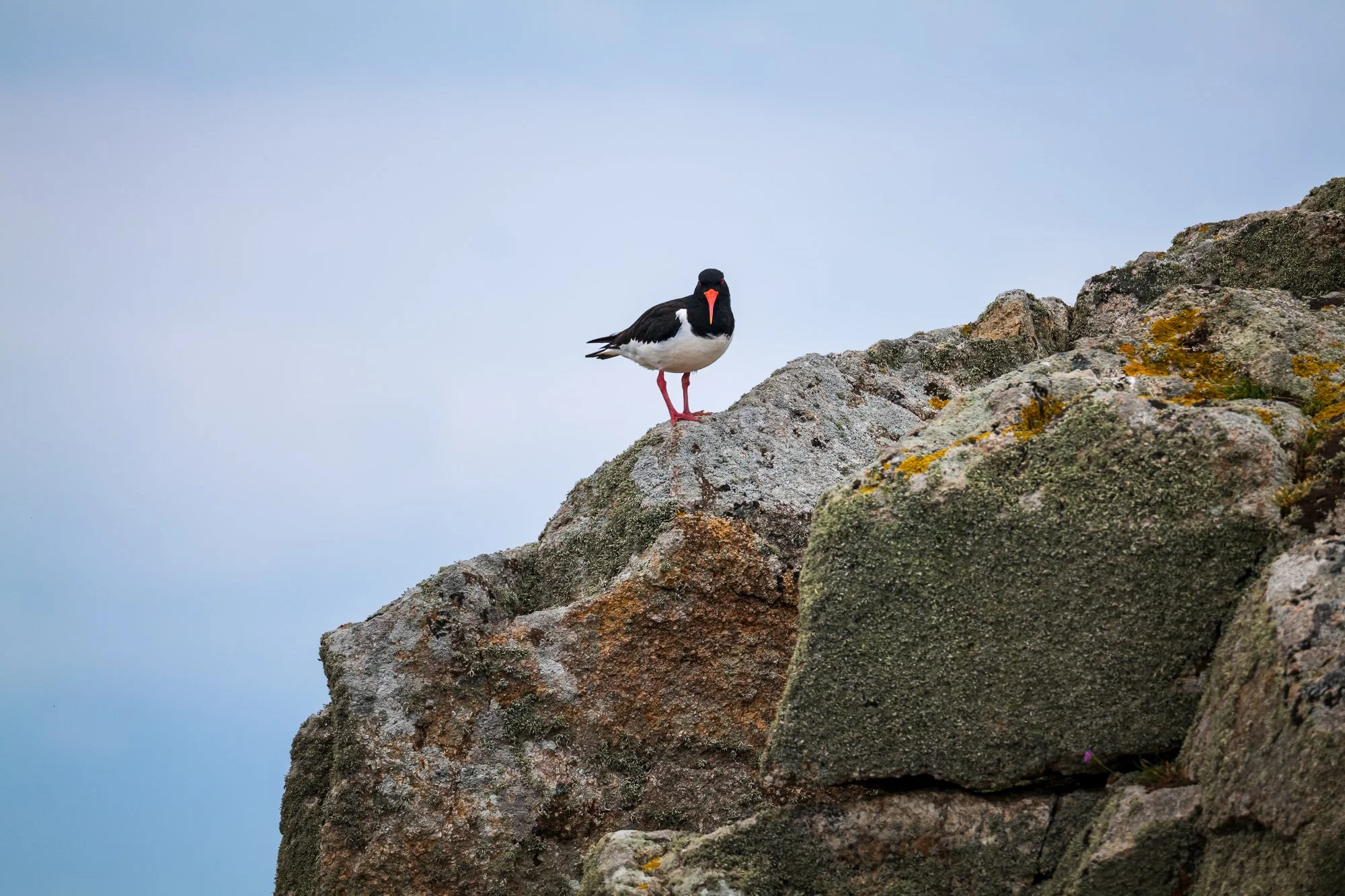
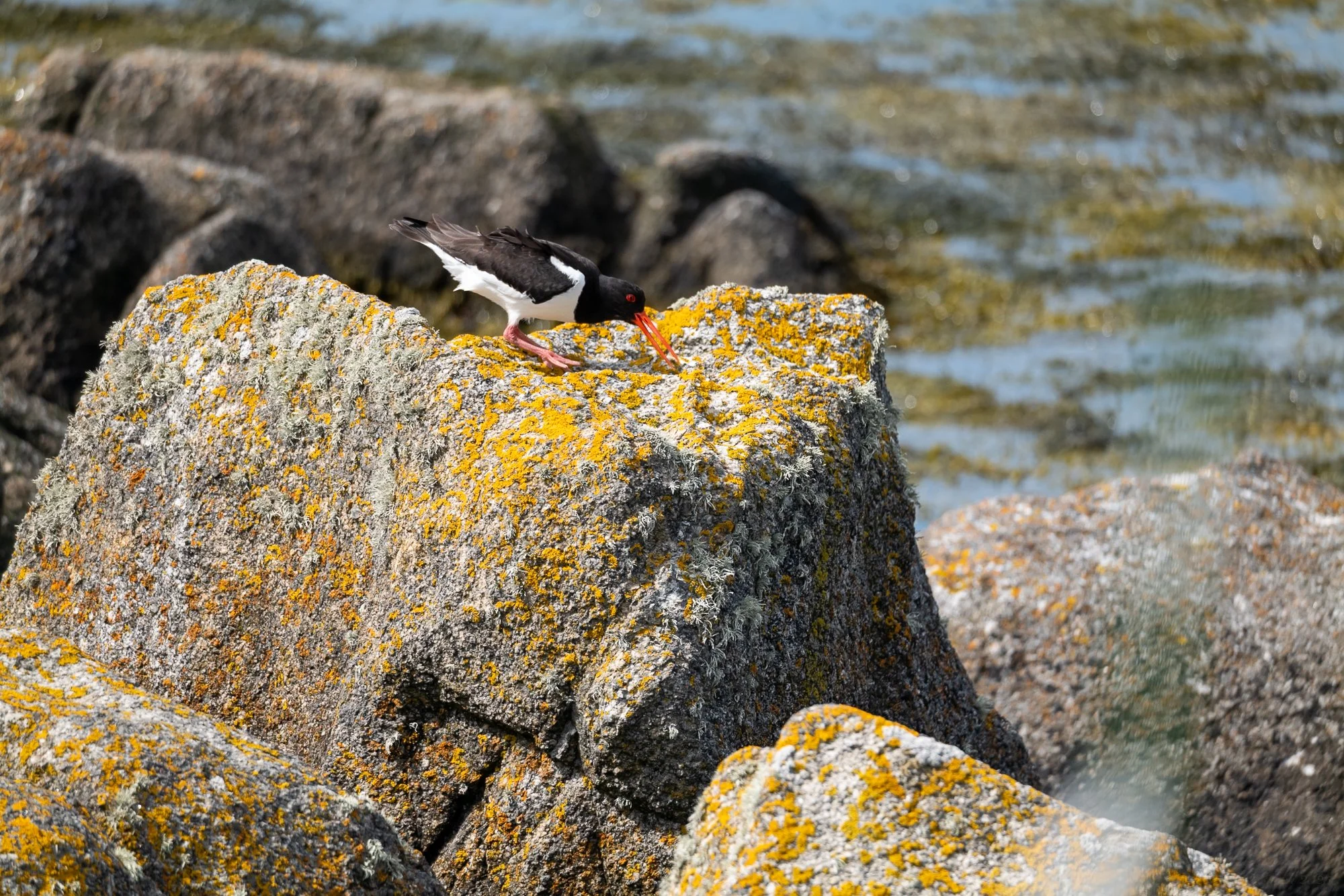
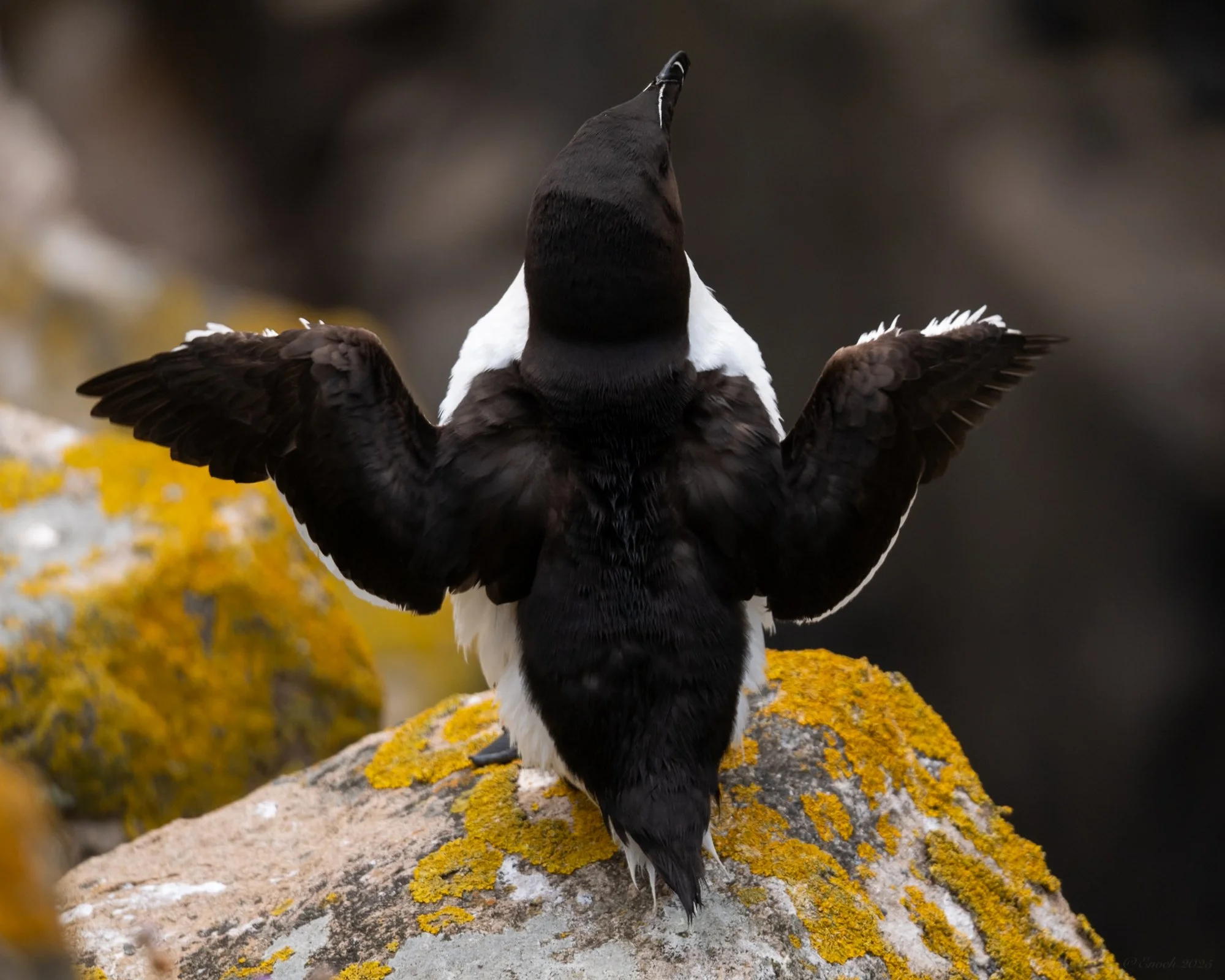
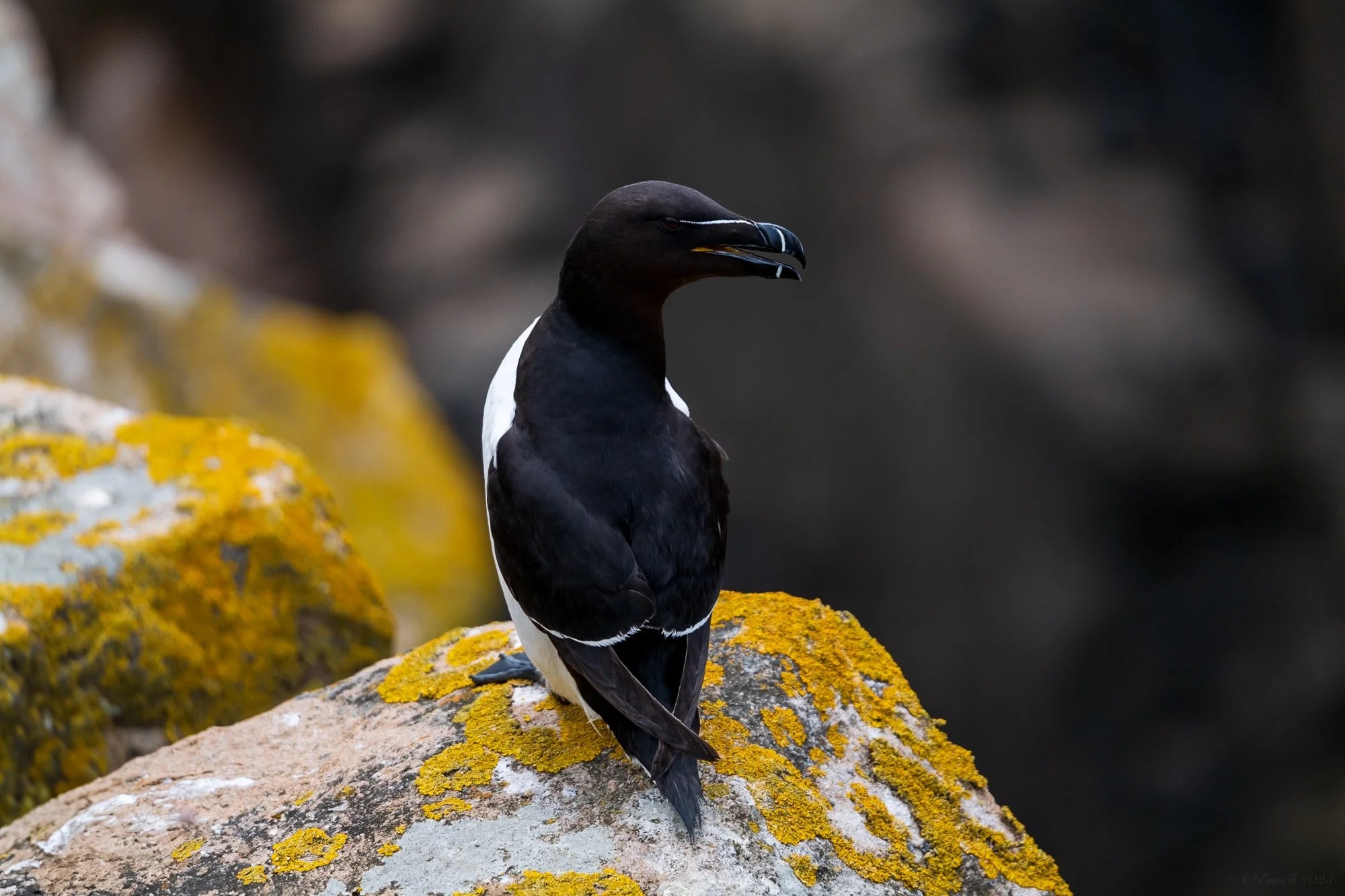
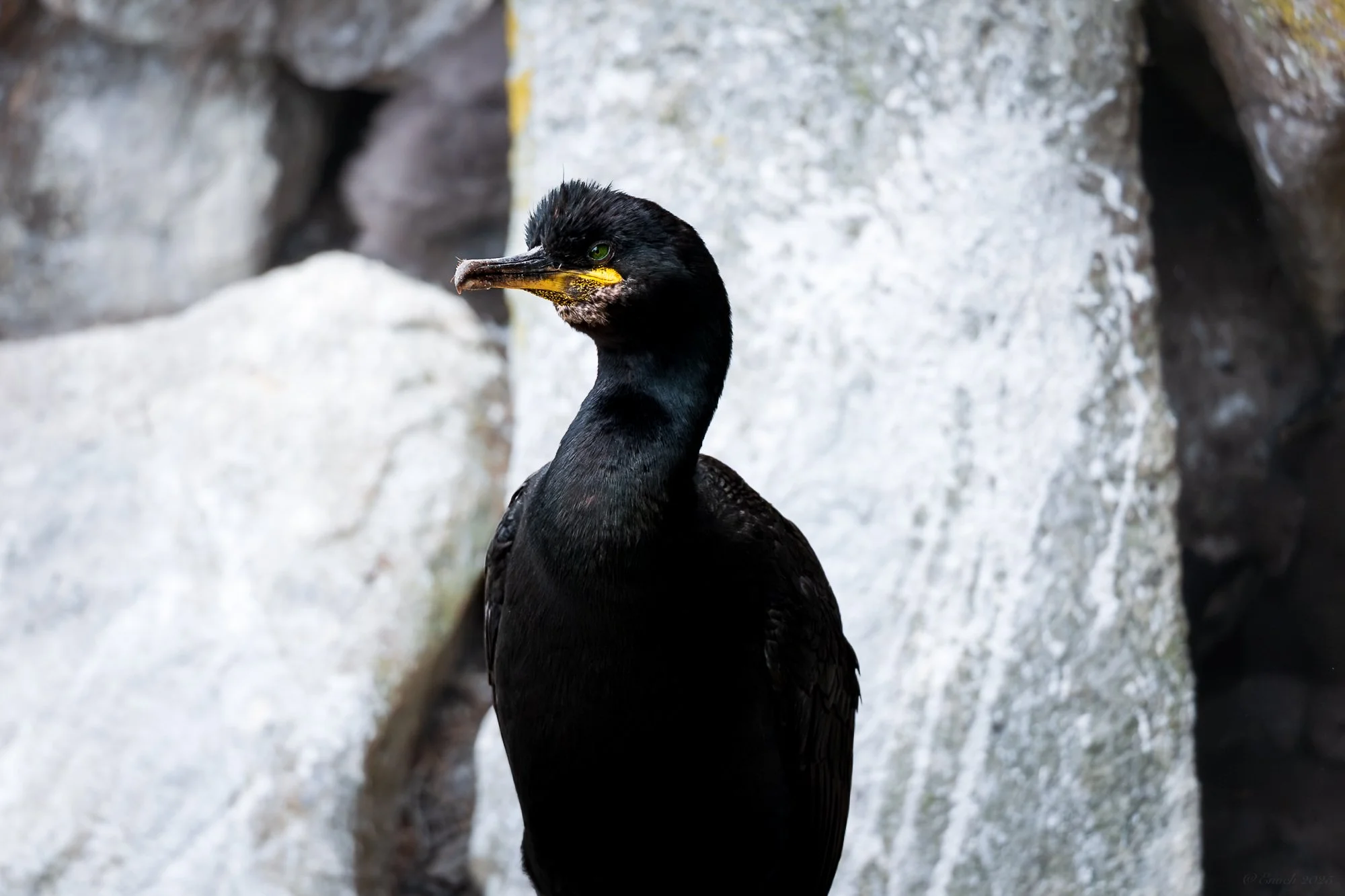
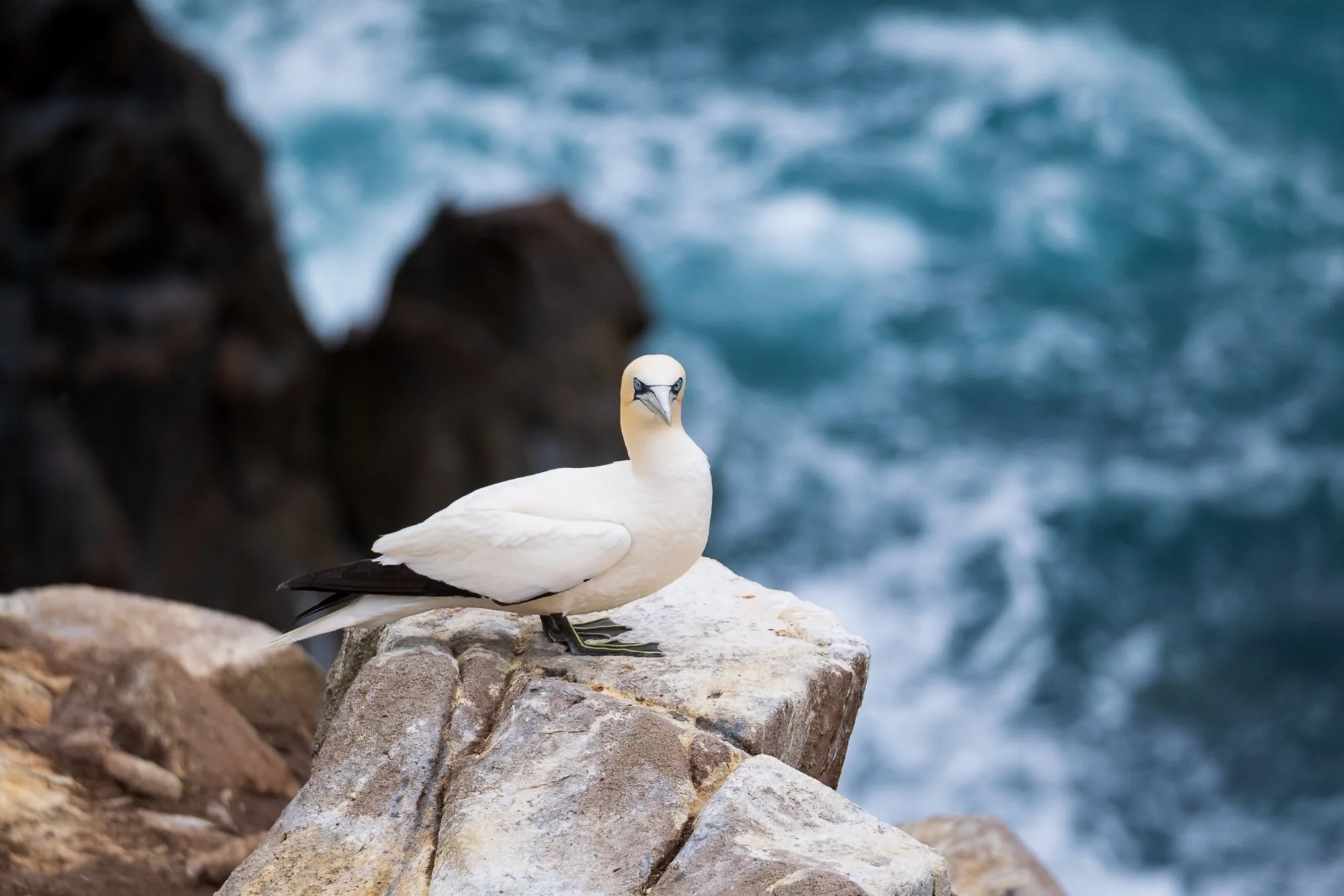
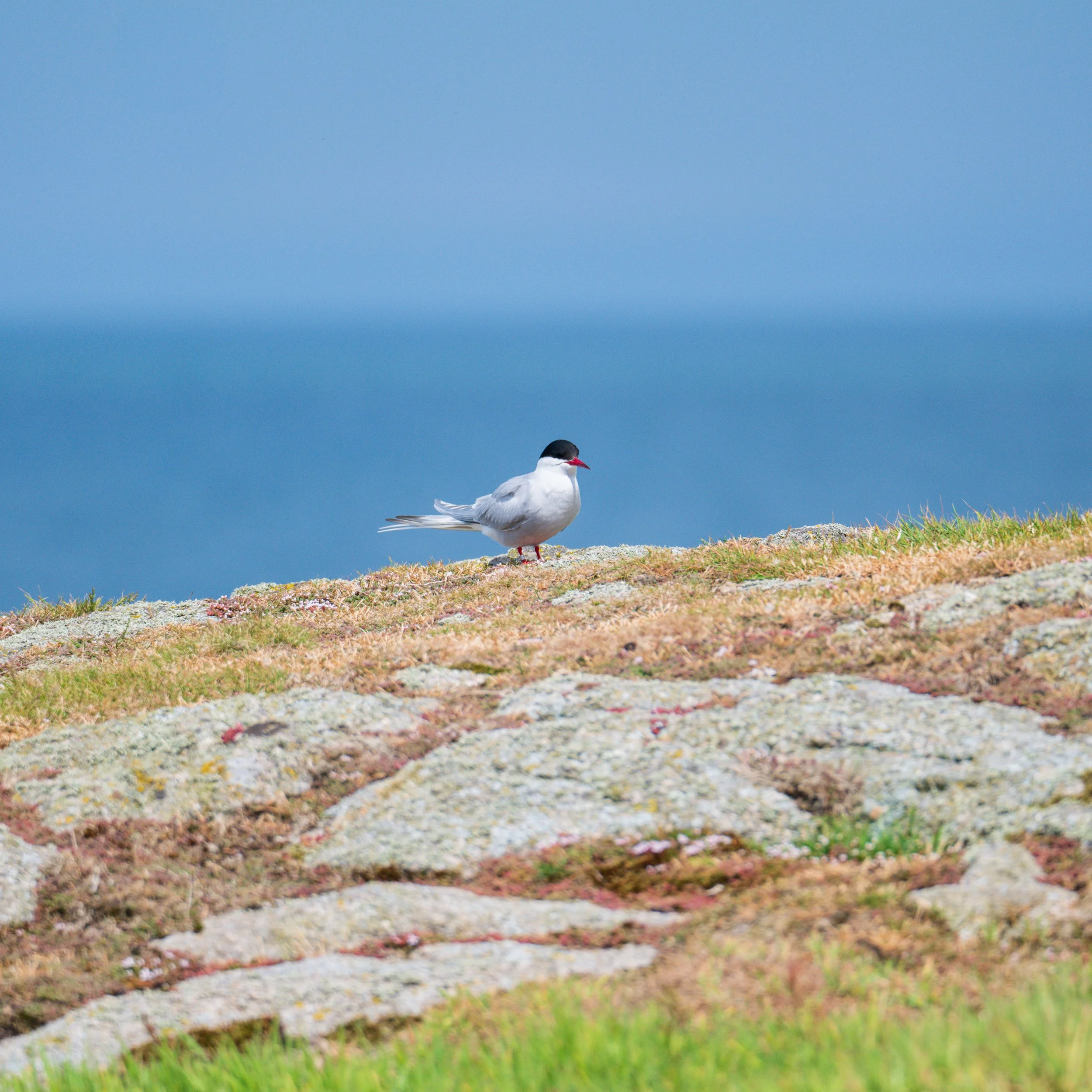
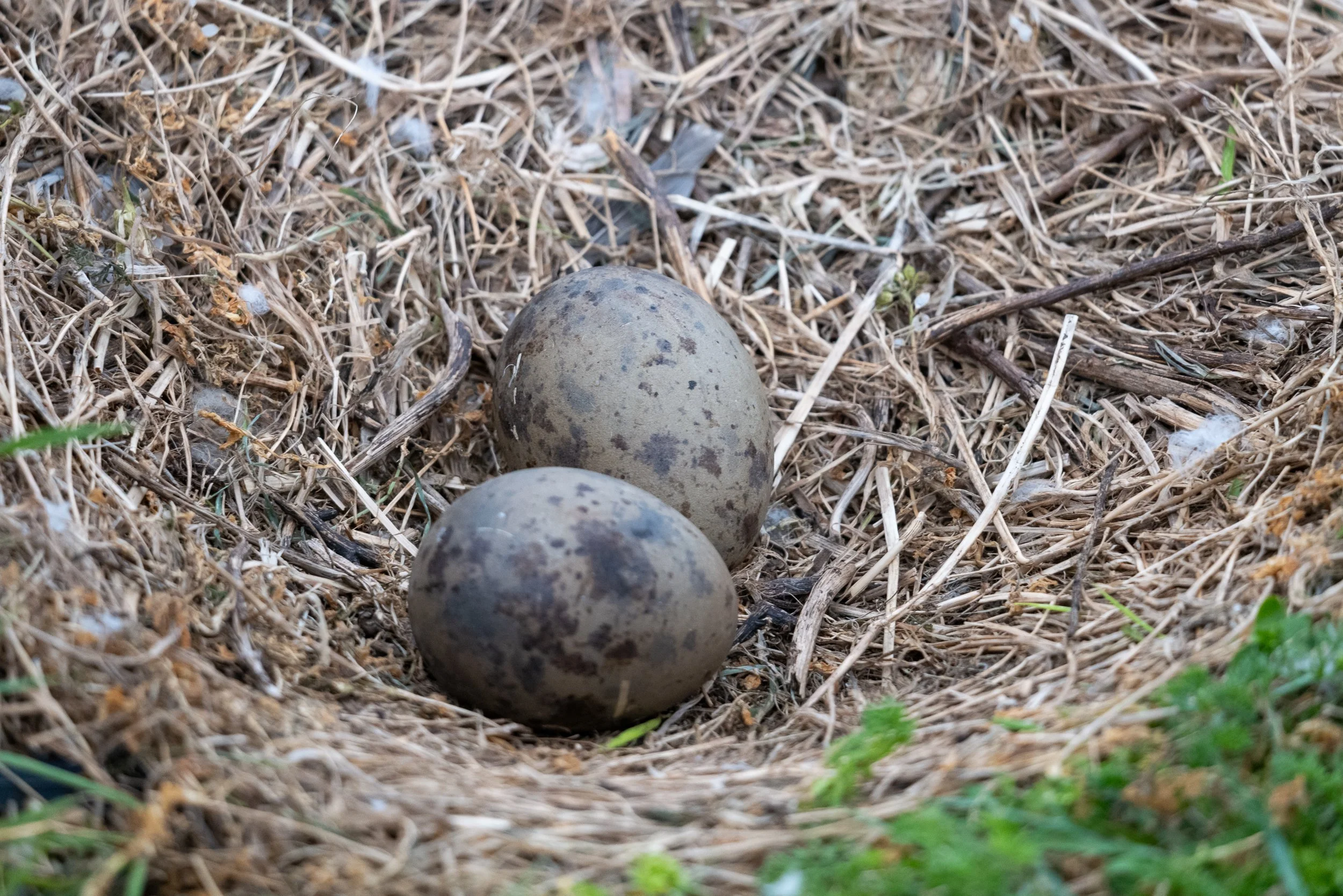
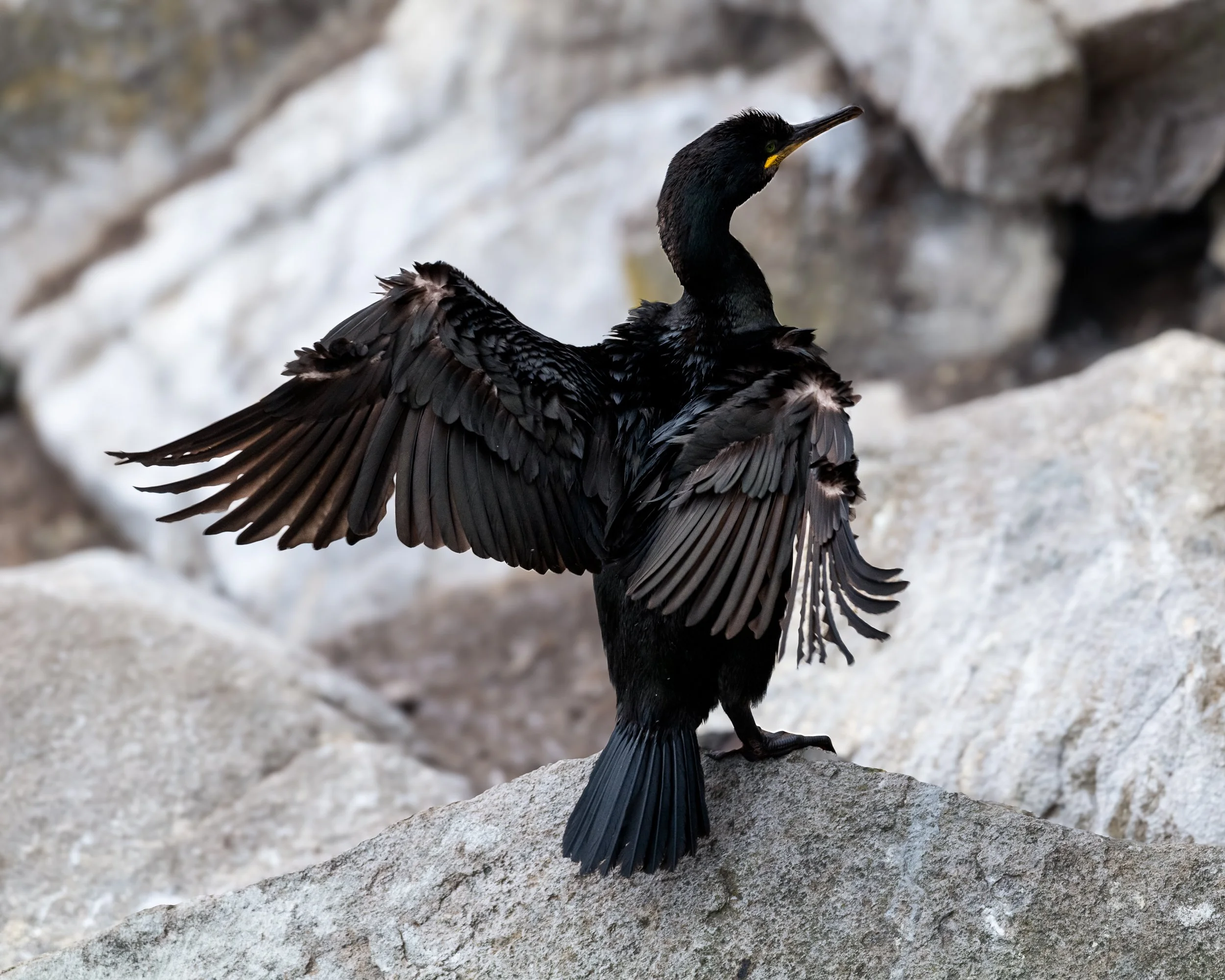
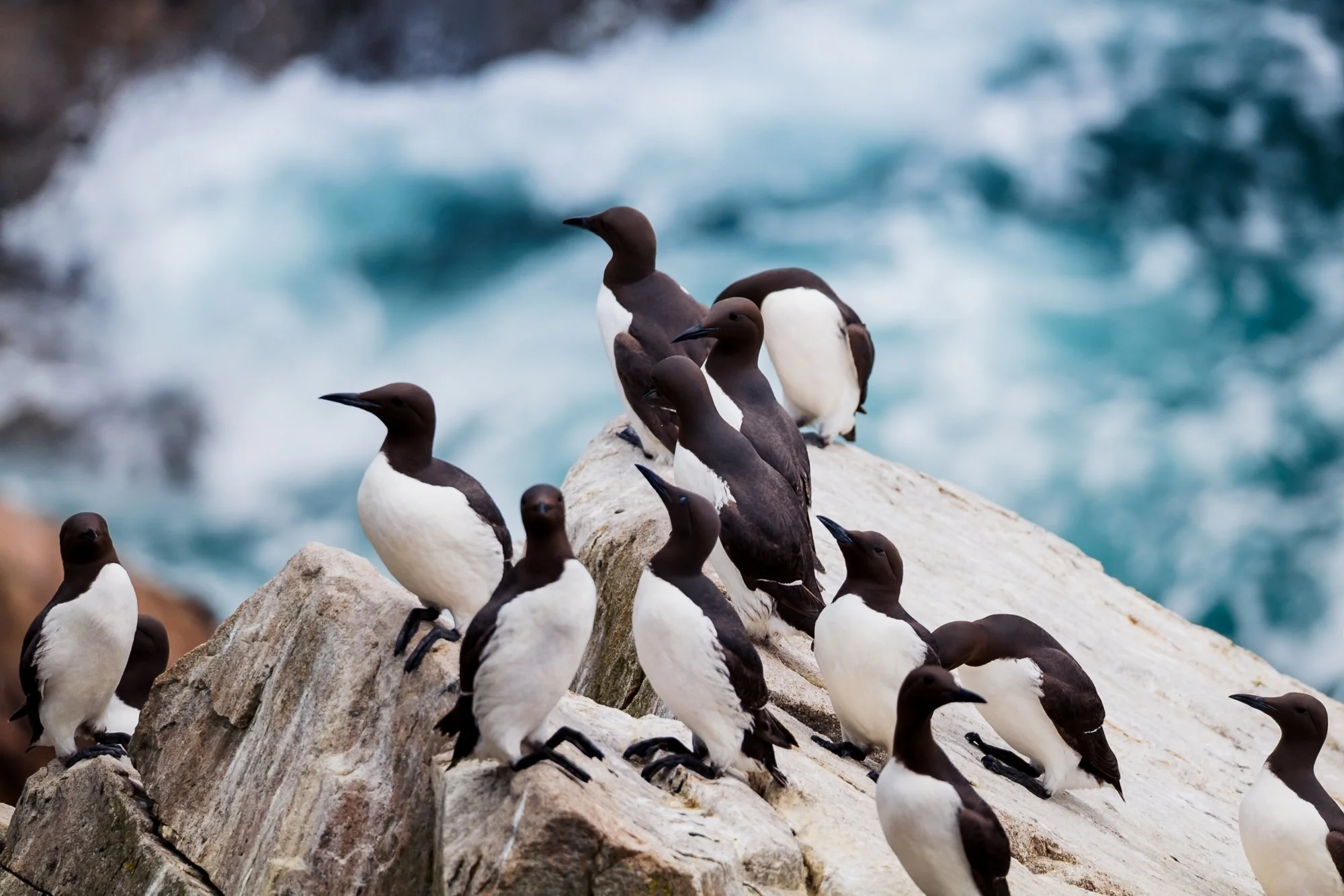
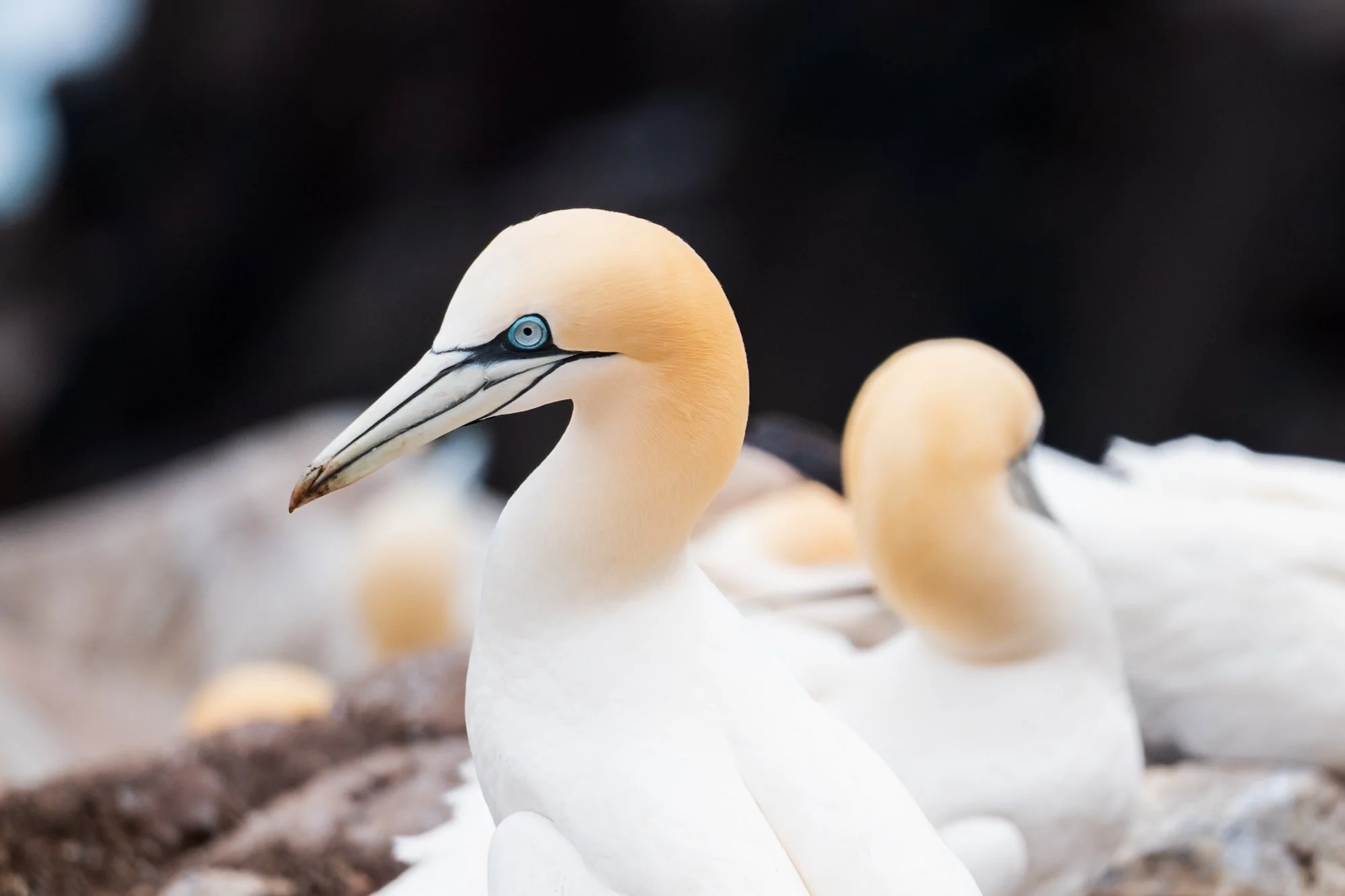
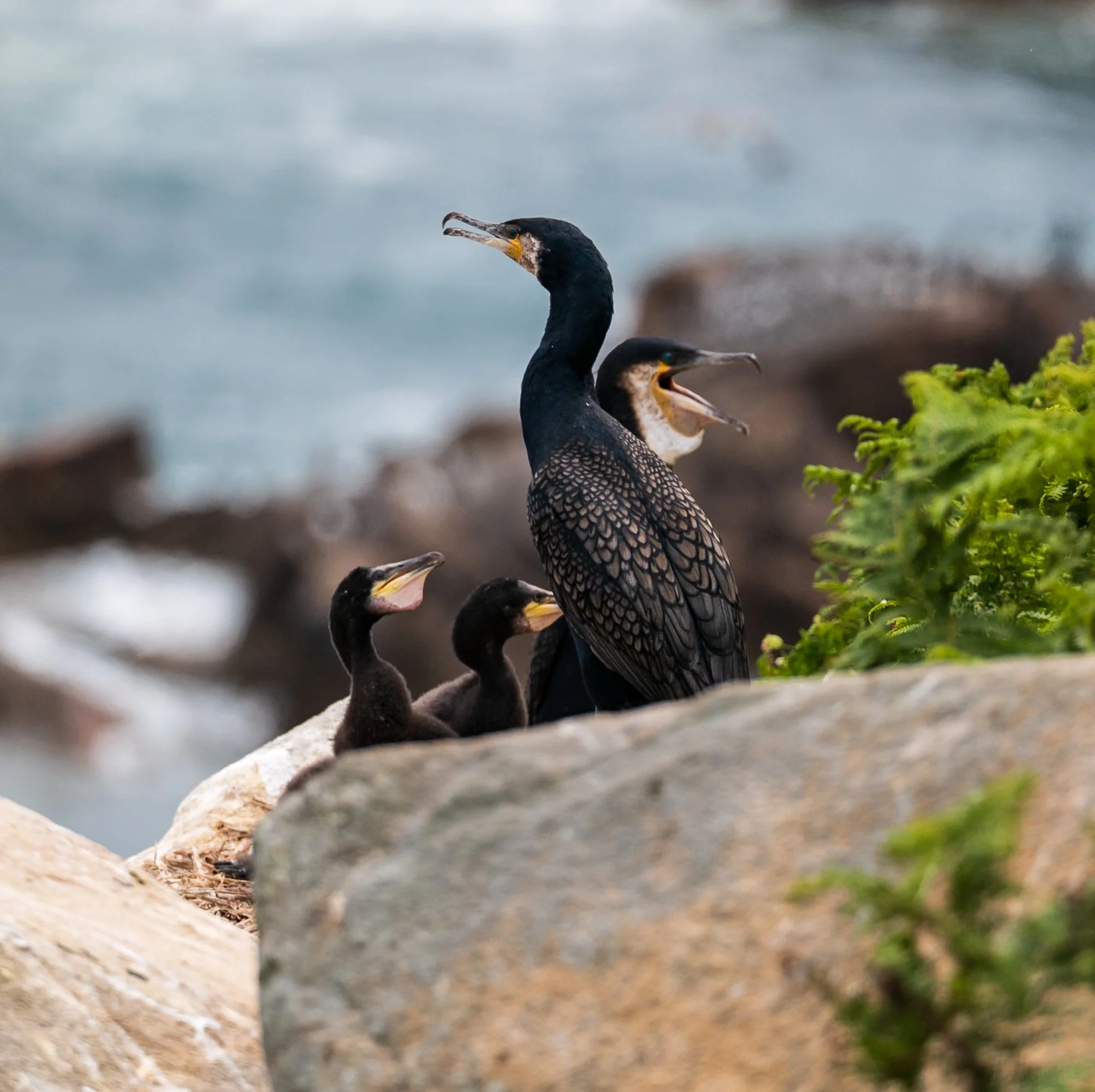
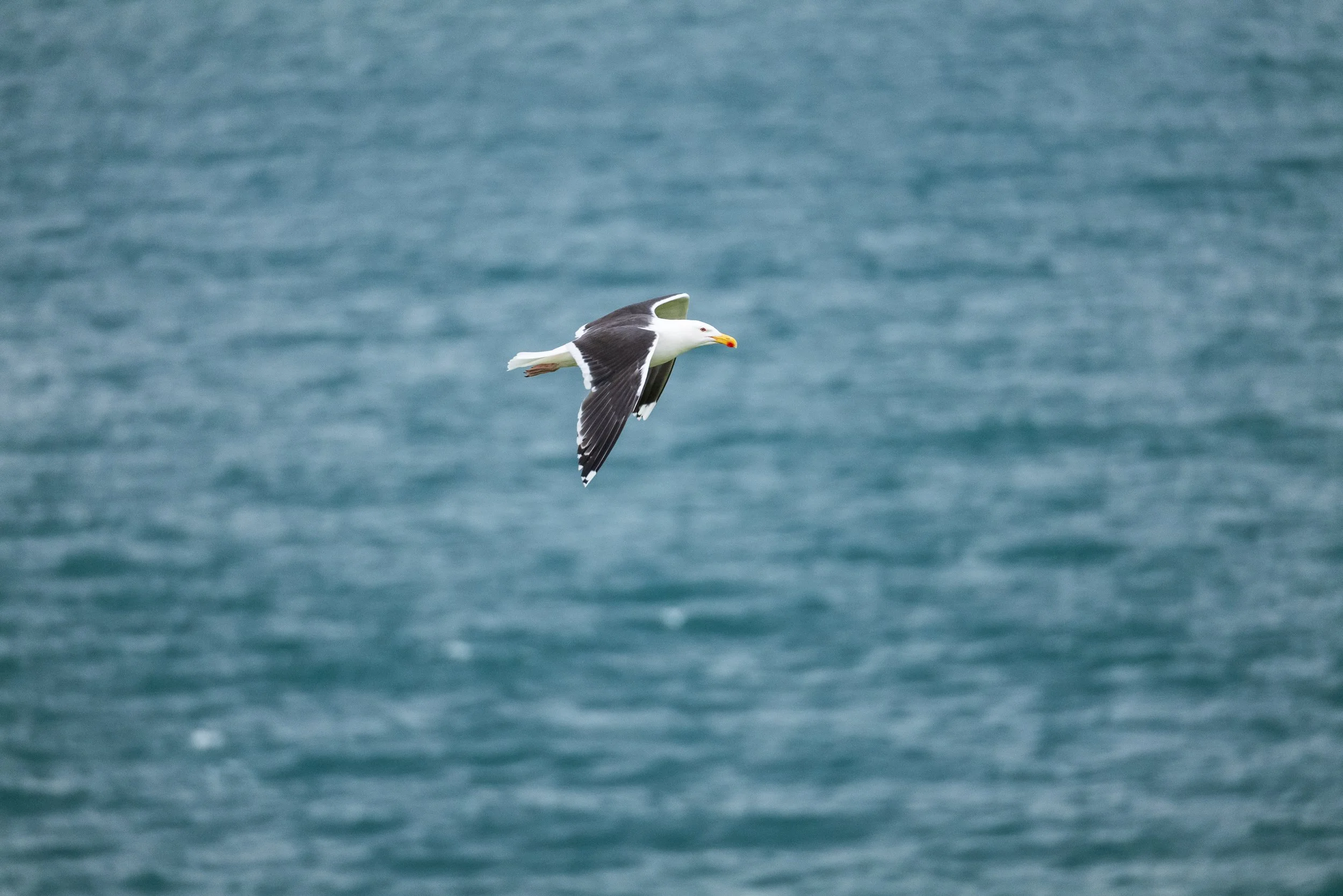
Looking back, it is not just the images that stay with me. It is the rhythm of the travel itself; the bus rides through narrow country roads, the small boats with their quirky captains, the wildflowers holding to the edges of cliffs, the sharp wind that never quite leaves your jacket. Photography brought me to these islands, but the experience was always larger than the frame. For a time, I was simply part of it, and that is what I carry with me long after the photographs are made.

THE QUIET FORCE OF THE SWAN
Finding Your Power & Purpose through Silence

The swan is easy to romanticize. It moves with calm precision, gliding across water as if pulled by some unseen thread. We all notice the beauty first, the white feathers, the long curved neck, the stillness. What is less obvious and more fascinating to me is what lies beneath all that grace. Some days I take long walks along the Marne, or sit by one of the many lakes in France and observe these creatures. Most times I bring my camera along.
Swans are some of the most territorial birds in the world. If you come too close during nesting season, they will not hesitate to attack. They first observe you, then beat their wings with power, then hiss, and if all of that doesn’t work - they strike. The image of serenity dissolves the moment you cross the line they’ve drawn.


They are also among the few birds that form long term pair bonds. Some stay with the same mate for life. You can watch a bonded pair mirror each other’s movements, call out to each other, feed side by side, and raise their young with shared effort. If one dies, the other often shows signs of distress for weeks.
Swans migrate in tight formations that can stretch for miles. They prefer cold, open water, and they will return to the same nesting site year after year, consistently.
The true power or “force of the swan” is not in its appearance, but its purpose. It does not announce its strength. It moves with intention, it waits, it observes, and when it acts, it acts fully and completely.

There’s so much we can learn from the swan, especially when contrasting their traits with humans’. We are drawn to noise, to performance, and have a need to be seen and heard. A need for external validation. But true and lasting strength often looks more like the swan’s. Quiet. Focused. Unmoved.
In The Art of War, Sun Tzu writes, Let your plans be dark and impenetrable as night, and when you move, fall like a thunderbolt. The swan seems to live this naturally. It does not reveal its capacity until it is necessary. And it does not warn twice.
“Let your plans be dark and impenetrable as night, and when you move, fall like a thunderbolt.”
The Art of War, Sun Tzu
Silence, in this frame, is not absence. It’s strategic and deliberate. It creates space and it holds tension. It forces others to fill the void and to show their hand first. This kind of silence is not passive though, it’s powerful.

In leadership, we often confuse Visibility with Influence. Loudness with Strength. Words with Knowledge. We reward those who speak first, who speak loudest, who dominate the room. But the leaders who last (or speak last), the ones who leave a mark, usually carry an energy closer to a swan. They do not rush. They listen. They observe. They process. And when they act, it is with clarity.
There is a more effective type of authority that comes from restraint. A calm voice in a noisy room changes the air, operates as a vacuum. It forces others to lean in, quiet down and listen. Not out of fear, but out of respect - or sometime out of bewilderment. People can sense when the air has shifted, when someone is not performing. When that person is solid and in control of the space.


Sun Tzu believed the best leaders actually win without fighting. To subdue the enemy without fighting is the zenith of skill. Outside of the battlefield, the most effective leaders do not posture. They do not react to every provocation. They know that presence does not require volume. And real power does not need to chase recognition.
Just as a swan does not flaunt its strength until provoked, a wise leader chooses their moments wisely. They conserve their precious energy and time. They maneuver around - or try to avoid conflict, to precisely control the terms of engagement. Their calm unsettles those who mistake stillness for weakness.
In a world flooded with noise, attention, and constant reaction, choosing silence is a radical move. It signals self trust and confidence. It creates space for others to think, to speak, to reveal themselves. It shifts the balance without saying a word.


BEYOND SEEING
Documenting children who navigate the world without sight, and discovering a different kind of vision.

India is home to an estimated 320,000 blind children, accounting for nearly one-fifth of the world’s total.
Most are blind due to preventable causes: measles-related scarring, vitamin A deficiency, cataracts, or complications from premature birth. In rural areas, limited access to early diagnosis, treatment, and inclusive education deepens the impact. Foundations like Ek Kadam Aur are working to change that, bringing specialized teaching, assistive technology, and family support directly into homes.
I went to photograph children I was told couldn’t see. What I didn’t expect was how clearly they would teach me to.


Children born blind—many to families told not to expect much—don’t move through the world like something is missing. They move like they’ve adapted to something most people don’t even try to understand. They count steps by feel, trace your face with their fingers, and hear you smile.
There was a boy who taught me how to use braille. A girl who beat me at jump rope—three times in a row. A ten-year-old yoga teacher with more balance than I’ve ever had. These weren’t photo ops; they were a challenge to my assumptions. Behind every frame was a story that had to be earned. No dramatic lighting, no over orchestration — just truth: hands moving across a braille page, a child listening to a sound I couldn’t hear, a teacher kneeling on the ground, guiding a student’s fingers across a reader.


I wasn’t capturing pity or perfection. I was witnessing power—the quiet kind that doesn’t need eyes to be seen.
These images aren’t only about blindness. They’re also about clarity, curiosity and compassion. The kind that appears when you stop looking for what’s missing and start noticing what’s there.


DYEING FOR A LIVING
A Closer Look at the Colors, Crafts, and Challenges of Chouara Tannery
Nestled within the vibrant Fes el Bali Medina, the oldest Medina of Fes, Morocco, the Chouara Tannery stands as a living testament to the city’s rich cultural and economic history. Operating since the 11th century, this tannery is an intense sensory experience: a patchwork of brightly colored dye pits, the pungent smell of pigeon droppings, natural chemicals, and the constant rhythm of labor. But behind the artistry of Fes’ world-famous leather lies a painstaking and arduous process that tells a story of human talent and resilience but raises questions about environmental and ethical costs.
The narrow streets of the Medina are an intricate dance of wonder and chaos, each turn revealing vibrant shops, stalls, fragrant spices, tasty delicacies, and an endless stream of humanity. Navigating this labyrinth was both mesmerizing and disorienting, a constant tug-of-war between marveling at my surroundings and staying focused on my destination: the Chouara Tannery, the beating heart of Fes’ centuries-old leather trade.
As I walked, shopkeepers beckoned me from every angle, their voices blending into a symphony of offers and entreaties. Some were persistent, others charming, all with the singular goal of selling their wares or offering a tour for pay. Politely declining while maintaining my course was an art in itself.


Finally, the tannery door, down a narrow alleyway came into view - and the overwhelming smell of ammonia and flesh washed over the air. A man at the entrance handed me a sprig of mint, a gesture as practical as it was symbolic. “You’ll need it,” he said with a knowing smile. As we descended deeper into the cavernous work area, the stone floor became slicker and the air thicker. The pungent aroma of the tanning pits—a mix of animal hides, natural dyes, and age-old processes—assaulted my senses as I stepped inside.
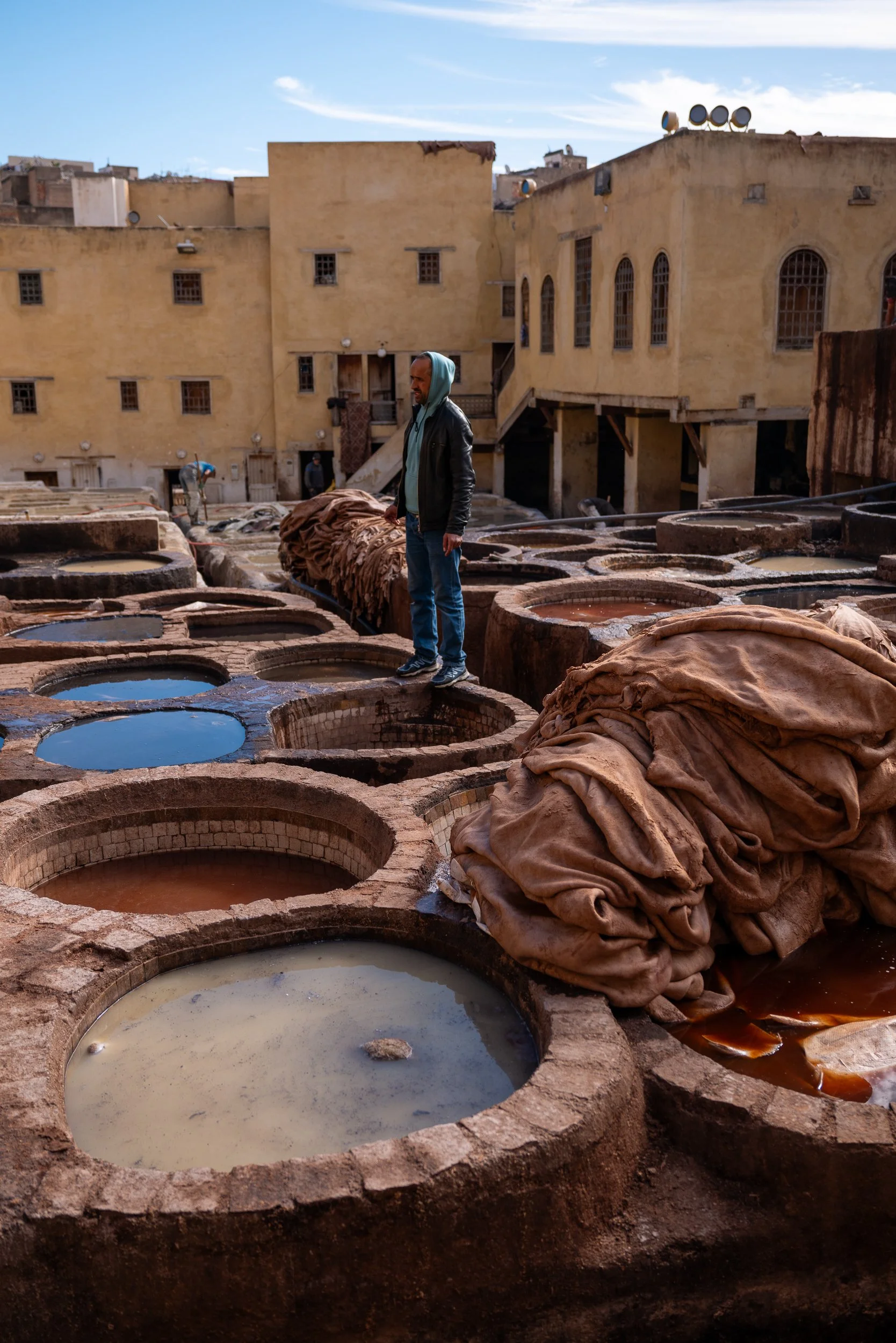
The sight before me, and the scale of the operation was nothing short of mesmerizing: rows upon rows of sunken pits, each filled with vivid hues of red, yellow, and blue. Artisans moved methodically, their hands and feet stained by the very craft that defines this place. It was a world both beautiful and raw, where tradition and toil intersected in every step.
Preparing the Hides
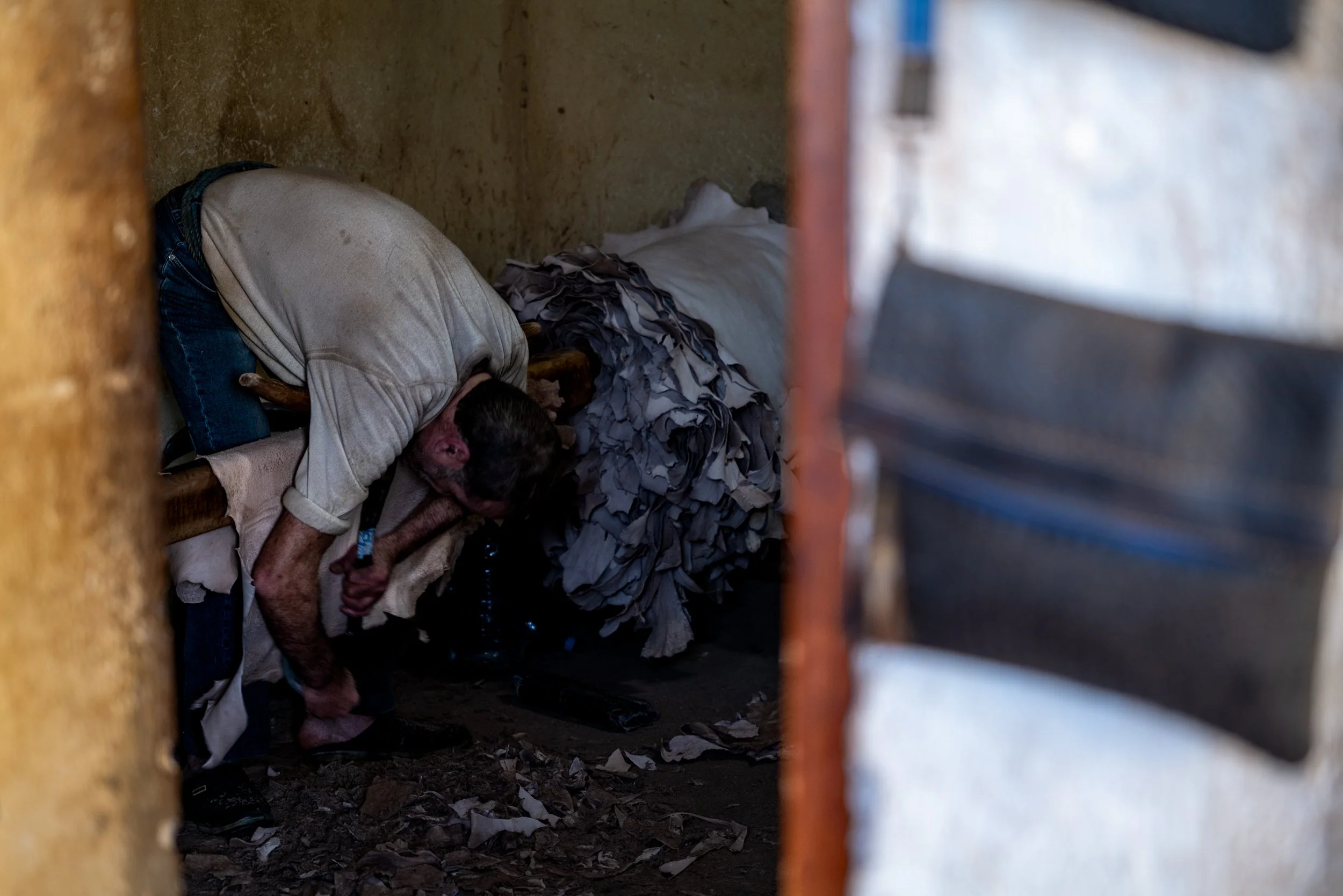
The tanning process begins with raw animal hides—primarily from cows, sheep, camel and goats—arriving at the tannery. Workers soak these hides in vats filled with a mixture of water and lime to loosen hair and flesh. This step requires intense manual labor, as the hides are scrubbed clean using sharp tools. The lime mixture is highly caustic, often causing skin irritation and burns. Despite these risks, workers continue without modern protective gear, or even just gloves, relying on their expertise to gauge their tolerance level.


Softening in Pigeon Dung
Once stripped of hair, the hides are softened in vats of pigeon dung mixed with water. This natural ammonia solution breaks down the remaining fibers, making the leather more pliable. Workers wade into these vats barefoot, kneading the hides by hand or foot to achieve the desired texture. The smell in this stage is particularly overpowering, definitely nauseating, and prolonged exposure surely takes a toll on worker’s health. Yet, their endurance transforms what seems unbearable into a craft that has stood the test of time. Despite all the difficulties, many workers express pride in their role of preserving a centuries-old craft that’s integral to Fes’ identity.


Dyeing the Leather
After the hides are softened, they move to the iconic dye pits that form the heart of Chouara Tannery. Filled with vibrant, natural dyes made from materials like saffron, poppy, and indigo, these pits offer a visual feast to onlookers above. Workers immerse the hides into the colorful vats, ensuring the dye penetrates evenly. This step is physically taxing, requiring repetitive movement and prolonged exposure to dyes that can stain the skin for days. Under the intense Moroccan sun, the conditions become even more grueling. All the while, visitor’s can marvel from terraces of gift shops perched above.



Drying and Finishing
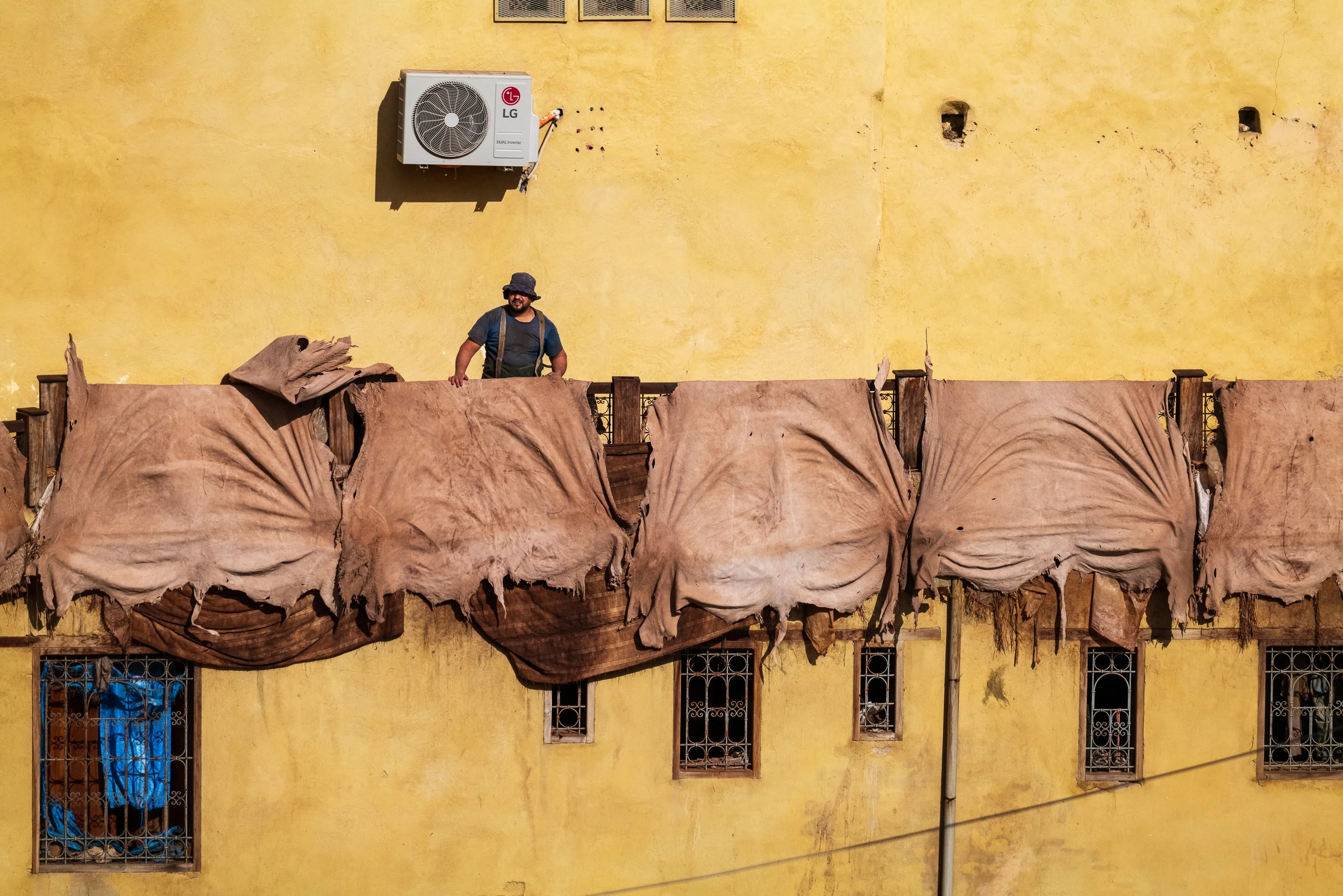
The final step involves laying the dyed hides out to dry on rooftops and open courtyards. From the upper terraces’ vantage points, the tannery’s beauty was undeniable—a stark contrast to the grueling work that made it possible. The drying process is critical, as it ensures the leather’s quality and durability. Workers then trim, polish, and prepare the leather for crafting into goods like bags, belts, and slippers. While this stage may seem less physically demanding, it requires sharp attention to detail to meet the high standards of local artisans and international markets.



Reflections on Craft, Cost, and Responsibility
Upon leaving the tannery, I carried more than just a subtle migraine, the lingering smell of lime, ammonia and dyes; I carried the weight of what I had seen. The Chouara Tannery is a place of extraordinary beauty and craftsmanship, but it is also a place of immense hardship. The workers I saw were the beating heart of this craft, their resilience and skill sustaining a craft that has shaped Fes for centuries.
Still, the tannery is also refined me of the cost behind the leather goods we often take for granted. The environmental impact, the health risks, the meager wages—these realities are hidden beneath the sheen of luxury handbags, shoes and jackets.


Workers and locals around the tannery frequently discuss the economic challenges of tannery work. Wages are typically low, and the income is often insufficient to support a family. Yet, for many, it’s one of the few viable job options in the region.
As consumers, we all have a responsibility to think critically about the origins of what we buy and the brands we support. Supporting brands that prioritize fair wages, ethical practices, and sustainability can help create a more equitable system.
It’s a small step I know, but one that honors the lives and labor behind the craft.

NITASIMAMA
Oral Care with Clean & Seal Dental
I had a wonderful time working with Clean & Seal Dental from Boston, Mass. and The Nitasimama Foundation in Zanzibar documenting this interactive workshop centered on hygiene and oral care. Participants were guided through essential techniques and practices aimed at improving individual well-being and promoting healthier lifestyles. Each photograph captures moments of learning, connection, and empowerment, highlighting the organization's commitment to community health and education.

Nitasimama Foundation believes that no child should be left behind regardless of their socioeconomic status and therefore our mission is to provide cognitive, behavioral and educational approach to enhance and improves academic success and therefore changing lives for a brighter future.


